Comparing Classic Men’s Suits: Best Value Styles for 2026
Advertisements
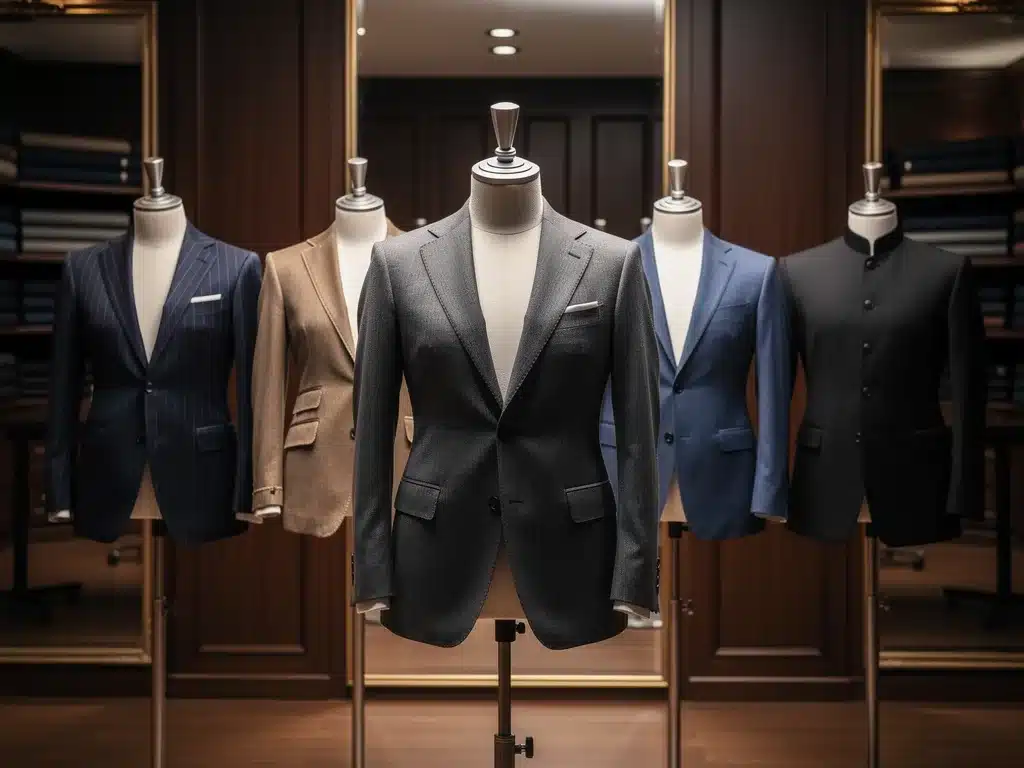
When it comes to dressing sharply, understanding the nuances of classic men’s suits is paramount, especially as we look towards 2026. The world of sartorial elegance is rich with tradition, yet constantly evolving. This comprehensive guide delves into the five leading classic suit styles, examining their unique characteristics, historical significance, and ultimately, which offers the best value for today’s discerning gentleman.
Advertisements
The British Suit: A Legacy of Structure and Formality
The British suit, often synonymous with Savile Row tailoring, embodies a heritage of structure, formality, and impeccable craftsmanship. Its origins trace back to military uniforms, resulting in a design that prioritizes a strong silhouette and a commanding presence. This style is characterized by its robust construction, offering a distinct and often imposing look.
For those seeking a suit that projects authority and adheres to traditional dress codes, the British suit remains an unparalleled choice. Its enduring appeal lies in its timelessness and its ability to convey seriousness and sophistication, making it a staple for formal business environments and significant events.
Key characteristics of the British suit
Several features distinguish the British suit from its counterparts. These elements contribute to its unique aesthetic and functional integrity, cementing its place as a cornerstone of classic menswear.
- Structured shoulders: Often padded, creating a strong, defined shoulder line.
- Waist suppression: A more fitted waist, enhancing the masculine V-shape.
- Heavier fabrics: Typically made from thicker wools like tweed or flannel, providing durability and warmth.
- Double vents: Allowing for greater movement while maintaining a clean line when seated.
- Flapped pockets: Usually angled, adding to the suit’s formal appearance.
The enduring appeal in 2026
In 2026, the British suit continues to hold significant value for individuals who prioritize classic elegance and a polished, formal aesthetic. Its durability and resistance to trends make it a sound investment. While it might be perceived as less versatile for casual settings, its strength in formal and professional contexts is undeniable, providing a powerful statement of intent.
The British suit offers exceptional value through its longevity and its unwavering commitment to traditional sartorial standards. It’s a choice for the man who understands that true style transcends fleeting trends, investing in pieces that speak volumes without uttering a word.
The Italian Suit: Embracing Sprezzatura and Modernity
The Italian suit, particularly the Milanese style, is renowned for its sleek lines, lighter construction, and a more fashion-forward approach. It represents a departure from the rigid formality of its British counterpart, embracing a sense of effortless elegance known as ‘sprezzatura’—a studied carelessness. This style is designed to flatter the wearer’s physique, offering a contemporary and sophisticated look.
The Italian suit is often favored by those who appreciate a blend of traditional tailoring with a modern sensibility, making it suitable for a wider range of occasions, from business meetings to social gatherings where style is as important as substance.
Signature elements of Italian tailoring
Italian suits are identifiable by several distinct features that contribute to their characteristic slim fit and refined appearance. These details are meticulously crafted to enhance comfort and aesthetic appeal.
- Slim silhouette: A closer fit through the body and trousers.
- Lightly padded or unpadded shoulders: Creating a more natural and relaxed shoulder line.
- High armholes: Allowing for greater freedom of movement.
- Single vent: Typically found on the back, contributing to the streamlined look.
- Jetted pockets: Enhancing the suit’s clean and minimalist design.
Value proposition in today’s fashion landscape
For 2026, the Italian suit offers significant value to those seeking versatility and a modern edge. Its adaptability makes it suitable for various settings, from corporate environments to upscale casual events. The emphasis on lighter fabrics and construction also contributes to its comfort, particularly in warmer climates, expanding its practicality.
The investment in an Italian suit yields returns in its ability to remain stylish and relevant across changing fashion cycles. It’s a choice for the individual who values aesthetic appeal as much as functional wear, providing a sophisticated yet comfortable option for a dynamic lifestyle.
The American Sack Suit: Comfort and Accessibility
The American sack suit holds a distinct place in the history of men’s fashion, celebrated for its relaxed fit, comfort, and democratic appeal. Emerging in the early 20th century, it was designed to be less restrictive than its European counterparts, reflecting a more casual and practical approach to menswear. Its primary focus is on ease of wear and a less structured silhouette.
Often associated with Ivy League style and a more relaxed professional environment, the American sack suit appeals to those who prioritize comfort and a straightforward, unpretentious aesthetic. It’s a testament to practicality over elaborate sartorial rules.
Defining characteristics of the American style
The American sack suit is easily recognized by its distinctive features that prioritize comfort and a relaxed drape. These elements contribute to its unique, casual yet classic appeal.
- Natural shoulders: Typically unpadded, creating a soft, rounded shoulder line.
- Straight, loose fit: Less waist suppression, offering a more relaxed silhouette.
- Single vent: Common on the back of the jacket.
- Flapped pockets: Standard, often with a patch pocket option for a more casual look.
- Three-button stance: Often with the top button rolled, giving it its characteristic ‘3-roll-2’ appearance.
Relevance and value in 2026
In 2026, the American sack suit continues to offer excellent value for its unparalleled comfort and accessibility. While it may not be the most formal option, its relaxed fit makes it highly practical for everyday wear and less formal business settings. It also serves as an excellent foundation for building a versatile wardrobe, easily dressed up or down.
The value of the American sack suit lies in its enduring comfort and its ability to adapt to a more relaxed professional landscape. It’s an ideal choice for those who seek a reliable, comfortable, and understated suit that can be worn frequently without feeling overly restrictive or ostentatious.
The Neapolitan Suit: The Art of Unstructured Elegance
Hailing from Naples, Italy, the Neapolitan suit is a masterclass in soft tailoring, blending the elegance of Italian design with an unparalleled focus on comfort and a natural drape. It stands apart from its Milanese counterpart by emphasizing an even softer construction, often completely unpadded, creating a distinctively relaxed yet incredibly refined aesthetic. This style is a testament to the region’s rich tailoring traditions, prioritizing movement and fluidity.
The Neapolitan suit is the choice for connoisseurs who appreciate the subtle details of craftsmanship and a suit that feels like a second skin. It’s perfect for those who desire elegance without stiffness, making it ideal for warmer climates and social occasions where refined comfort is key.
Distinctive features and craftsmanship
The Neapolitan suit is characterized by several unique elements that contribute to its distinctive soft and natural appearance. These details are a hallmark of its artisanal heritage and focus on wearer comfort.
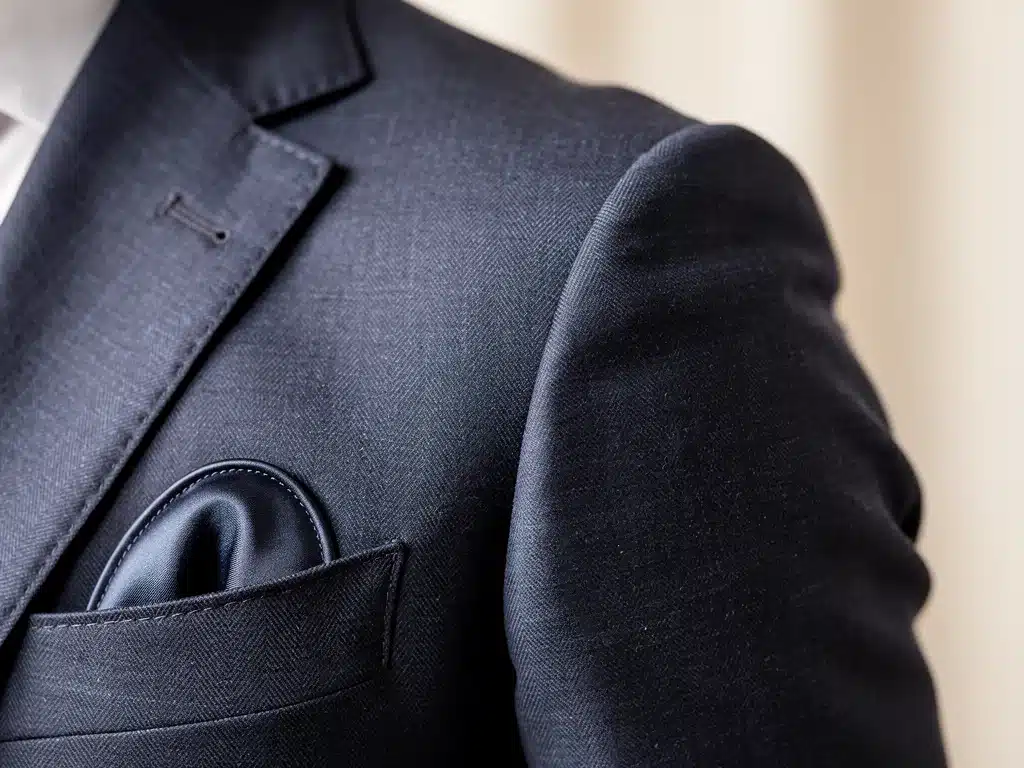
- Soft, unpadded ‘spalla camicia’ shoulder: Resembling a shirt sleeve, allowing for maximum freedom of movement and a natural drape.
- ‘Barchetta’ breast pocket: Shaped like a small boat, a subtle nod to bespoke craftsmanship.
- Three-roll-two button stance: A common feature, where the lapel rolls past the top button.
- Patch pockets: Often used, contributing to a more casual, yet refined look.
- Lighter fabrics: Frequently made from breathable wools, linens, and cottons, ideal for warmer weather.
Why Neapolitan excels in value for 2026
In 2026, the Neapolitan suit offers exceptional value for its unique blend of comfort, elegance, and enduring style. Its unstructured nature makes it incredibly versatile, easily transitioning from formal events to sophisticated casual gatherings. The emphasis on lightweight construction and breathable fabrics also makes it a practical choice for a globalized world with varying climates.
Investing in a Neapolitan suit provides long-term value through its timeless appeal and superior comfort. It’s a statement of discerning taste, offering a sophisticated yet relaxed alternative to more structured suits, perfect for the modern gentleman who values both style and ease.
The Mandarin Suit: An Eastern-Inspired Alternative
The Mandarin suit, also known as the Nehru suit in some contexts, presents a distinctive alternative to Western tailoring traditions. Characterized by its stand-up collar and lack of lapels, it draws inspiration from traditional Eastern garments. This style offers a clean, minimalist aesthetic that is both formal and unique, standing out from the more common notched or peaked lapel designs.
While less common in conventional Western business settings, the Mandarin suit has gained popularity for specific formal occasions, cultural events, and as a statement piece for those seeking a sophisticated departure from the norm. It embodies a fusion of cultural influences, offering a fresh perspective on formal wear.
Key design elements of the Mandarin suit
The defining feature of the Mandarin suit is its collar, which fundamentally alters its overall silhouette and formality. Other elements contribute to its distinct appearance.
- Stand-up collar: A band collar that stands upright, replacing traditional lapels.
- Button-front closure: Often with a line of buttons extending to the collar.
- Clean, minimalist lines: Absence of lapels creates an uncluttered front.
- Often made from luxurious fabrics: Silk, brocade, or fine wool blends are common.
- Versatility in cultural contexts: Popular for weddings and formal events with an Eastern influence.
Assessing its value in 2026
For 2026, the Mandarin suit offers unique value as a specialized piece for individuals looking to make a distinctive sartorial statement. While it may not serve as a primary business suit in most Western corporate environments, its elegance and cultural significance make it an excellent choice for galas, formal dinners, and events where a unique, sophisticated look is desired.
The value of the Mandarin suit lies in its ability to offer a sophisticated alternative to conventional suits, catering to a niche yet growing demand for diverse formal wear. It’s an investment for those who appreciate cultural fusion and desire a suit that stands out with understated elegance, providing a unique option for specific, high-impact occasions.
Comparing Value: Which Style Reigns Supreme in 2026?
Evaluating the ‘best value’ among these classic men’s suits in 2026 requires a holistic perspective, considering not just price, but also versatility, durability, and alignment with personal style and lifestyle. Each style brings its own strengths to the table, catering to different needs and preferences in the modern sartorial landscape.
The choice ultimately hinges on individual priorities—whether it’s the rigid formality of British tailoring, the sleek modernity of Italian design, the comfortable practicality of the American sack, the unstructured elegance of Neapolitan, or the unique statement of the Mandarin suit. Understanding these distinctions is key to making an informed investment.

Versatility and adaptability
When considering value, versatility plays a crucial role. A suit that can be worn in multiple settings—from formal business to semi-formal social events—offers greater utility and thus, better value. The Italian and Neapolitan suits often lead in this category due to their lighter construction and more adaptable aesthetics, allowing for easier dressing up or down.
The American sack suit also presents strong versatility for more casual professional environments and social gatherings, making it a practical choice for everyday wear. The British suit, while less versatile for casual wear, offers unmatched value in strictly formal contexts, where its structured elegance is indispensable.
Durability and longevity
Durability is another significant factor in determining value. Suits made from high-quality fabrics and with superior construction techniques will naturally last longer, spreading their cost over many years of wear. The British suit, with its heavier fabrics and robust tailoring, traditionally offers exceptional longevity, making it a sound long-term investment.
While Italian and Neapolitan suits might use lighter fabrics, reputable tailors ensure their construction is equally durable, designed to withstand frequent wear while maintaining their exquisite drape. The key here is always to prioritize quality craftsmanship, regardless of the chosen style.
Personal style and investment
Ultimately, the best value suit is one that aligns perfectly with your personal style and meets your specific needs. An expensive suit that rarely gets worn offers poor value, while a more affordable suit that you love and wear frequently provides excellent return on investment. Consider your typical environments, your fashion sensibilities, and the image you wish to project.
For the man seeking a balance of modern elegance, comfort, and broad applicability, the Italian or Neapolitan suits often provide the best overall value in 2026. However, for those who require a powerful, formal statement, the British suit remains supreme. The American suit offers unbeatable comfort for a relaxed approach, and the Mandarin suit serves as a unique, sophisticated statement piece.
| Suit Style | Key Value Proposition |
|---|---|
| British Suit | Unmatched formality, durability, and a strong, authoritative silhouette. |
| Italian Suit | Sleek, modern elegance, highly versatile for various occasions. |
| Neapolitan Suit | Unstructured comfort, refined elegance, ideal for warmer climates. |
| American Suit | Comfort-focused, accessible, and practical for relaxed professional settings. |
Frequently asked questions about classic men’s suits
For 2026, the Italian and Neapolitan suit styles generally offer the most versatility. Their lighter construction and adaptable aesthetics make them suitable for a wide range of occasions, from formal business to sophisticated casual events. They strike a balance between elegance and comfort, fitting modern lifestyles.
A British suit is defined by its structured shoulders, waist suppression, and heavier fabrics. Its value lies in its unparalleled formality, durability, and ability to convey authority. It’s a long-term investment for those prioritizing traditional elegance and a commanding presence in formal settings.
Yes, the American sack suit remains relevant in 2026, particularly for its comfort and relaxed fit. It offers excellent value for less formal professional environments and casual social gatherings. Its practicality and understated appeal make it a solid choice for everyday wear.
The Neapolitan suit is unique for its unstructured elegance, featuring soft, unpadded ‘spalla camicia’ shoulders and a natural drape. Its value comes from exceptional comfort, refined style, and suitability for warmer climates. It’s a sophisticated choice for those who prioritize fluidity and artisanal craftsmanship.
A Mandarin suit is the best choice when you want to make a distinctive sartorial statement, especially for cultural events, galas, or formal dinners. Its unique stand-up collar and minimalist design offer a sophisticated alternative to traditional Western suits, providing unique value for specific high-impact occasions.
Conclusion
The landscape of classic men’s suits in 2026 offers a rich tapestry of styles, each with its own distinct charm and value proposition. From the structured elegance of the British suit to the relaxed sophistication of the Neapolitan, the choice of ‘best value’ ultimately hinges on an individual’s lifestyle, professional needs, and personal aesthetic preferences. Investing in a quality suit, regardless of its specific style, is a testament to timeless fashion and a commitment to sartorial excellence that will serve you well for years to come.