Fragrance Trends 2026: Niche Scents Dominating US Markets
Advertisements
The US fragrance market in 2026 is captivated by five distinct trends, with niche scents leading the way in personalized and sustainable olfactory experiences, reshaping consumer preferences.
Advertisements
As we navigate further into the future, the world of perfumery continues its fascinating evolution, with fragrance trends 2026 in the US market pointing towards an exciting shift dominated by unique niche scents. This guide offers an insider’s look into the olfactory landscape, revealing the captivating directions consumers and creators are exploring.
The rise of hyper-personalization in fragrance
The days of mass-market appeal are steadily giving way to an era where individual expression reigns supreme. Consumers are no longer content with simply smelling good; they seek scents that tell a story, their story, a reflection of their unique identity and mood. This profound desire for individuality is fueling the hyper-personalization trend, making it a cornerstone of the fragrance industry in 2026.
This shift isn’t just about choosing a less common scent; it’s about a deeper connection, an almost bespoke experience. Brands are responding by offering more customizable options, from layering suggestions to entirely tailor-made formulations. The journey of discovering a personal fragrance has become as important as the scent itself, transforming the act of buying perfume into an intimate ritual.
Crafting your olfactory signature
One of the most exciting aspects of hyper-personalization is the ability for individuals to craft an olfactory signature that is truly their own. This involves understanding how different notes interact with one another and, crucially, how they interact with one’s own skin chemistry. The same fragrance can smell distinctly different on various individuals, a phenomenon that has always fascinated perfumers and is now being embraced by consumers.
- Layering techniques: Consumers are experimenting with combining different single-note fragrances or complementary scents to create a unique aroma.
- Custom blend services: Niche perfumers are increasingly offering workshops and services where clients can work with a perfumer to develop a one-of-a-kind scent.
- Scent wardrobes: Instead of a single signature scent, many are building a collection of fragrances to suit different moods, occasions, or seasons.
Technological advancements in scent creation
Technology plays a pivotal role in enabling this level of personalization. AI and advanced analytics are being used to predict consumer preferences and suggest personalized fragrance profiles. This allows for a more efficient and precise approach to developing new scents that resonate deeply with specific individuals. Furthermore, digital platforms are making it easier for consumers to explore and compare a vast array of niche offerings, often with virtual try-on experiences.
The allure of hyper-personalization lies in its promise of exclusivity and authenticity. It moves beyond fleeting trends, focusing instead on timeless expressions of self. As consumers become more discerning and informed, their demand for fragrances that truly speak to them will only continue to grow, solidifying hyper-personalization as a dominant force in the 2026 fragrance landscape.
The resurgence of artisanal and small-batch perfumery
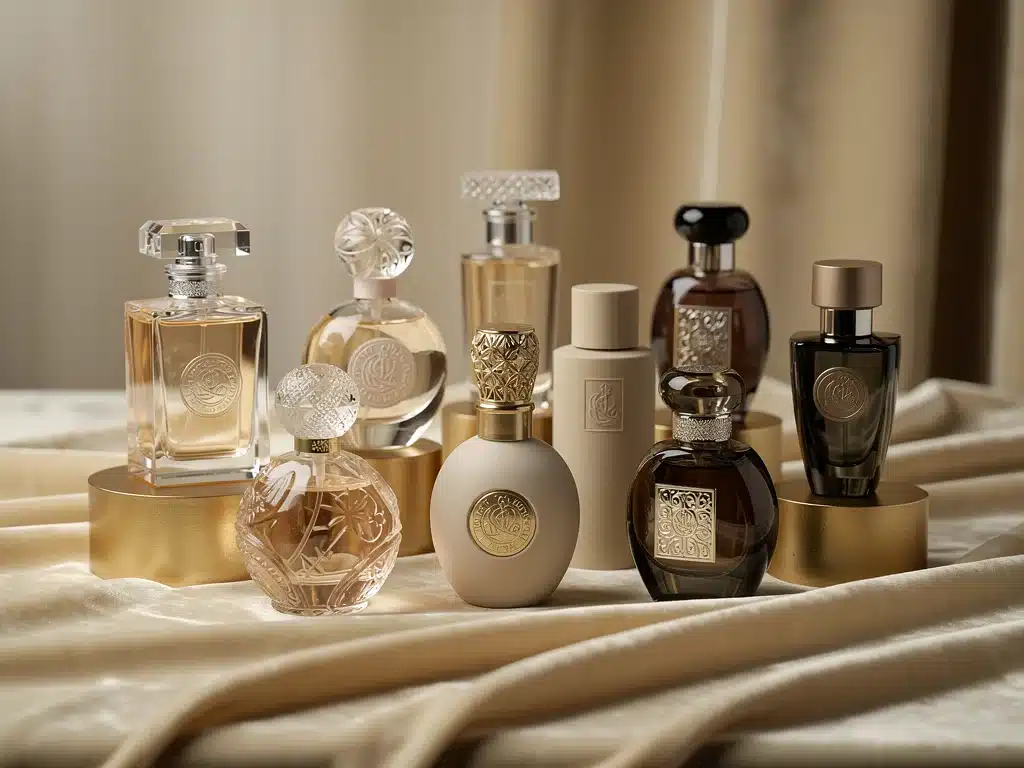
In stark contrast to the mass-produced scents that once dominated the market, 2026 sees a powerful resurgence of artisanal and small-batch perfumery. This trend is a direct response to consumers’ yearning for authenticity, craftsmanship, and a narrative behind their purchases. People are seeking out fragrances created with passion, meticulous attention to detail, and often, rare and high-quality ingredients.
Artisanal perfumers, often working independently or in small studios, are gaining significant traction. Their creations are typically produced in limited quantities, adding to their exclusivity and appeal. This movement mirrors a broader societal trend towards supporting local businesses and appreciating the skill and dedication involved in handcrafted goods. The stories behind these small-batch operations—the perfumer’s inspiration, their sourcing philosophy, and their unique creative process—are as compelling as the scents themselves.
The appeal of unique ingredients and traditional methods
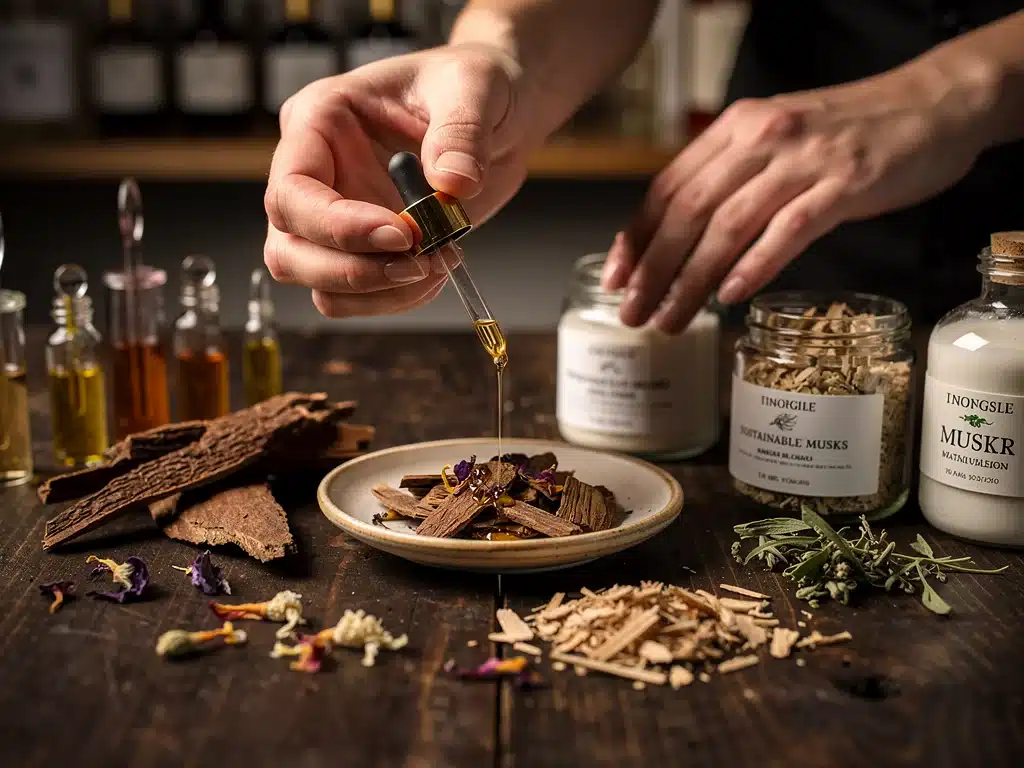
One of the hallmarks of artisanal perfumery is the emphasis on unique, often ethically sourced ingredients. These perfumers delve into the vast world of botanicals, resins, and absolutes, seeking out rare essences that can’t be found in conventional fragrances. They often employ traditional methods of extraction and blending, which can be more labor-intensive but yield a depth and complexity of scent that is truly unparalleled.
- Rare botanical extracts: Ingredients like specific types of jasmine, rose, or tuberose from particular regions, known for their unique olfactive profiles.
- Natural resins and woods: Frankincense, myrrh, oud, and sandalwood, often aged to perfection, contributing richness and longevity.
- Traditional maceration: Some perfumers still use age-old techniques to infuse oils with botanicals, resulting in incredibly nuanced aromas.
Connecting with the creator’s vision
Consumers are drawn to the direct connection they feel with the creator in artisanal perfumery. Unlike large corporations, small-batch perfumers often share their creative vision and the inspiration behind each scent. This transparency fosters a sense of trust and intimacy, making the fragrance experience much more personal and meaningful. The narrative becomes part of the product, enhancing its perceived value beyond just the aroma.
The resurgence of artisanal perfumery signifies a return to the roots of fragrance making, celebrating artistry and individuality over mass production. As consumers continue to prioritize ethical practices, unique experiences, and genuine craftsmanship, this trend is set to flourish, solidifying its position as a key driver in the US fragrance market for 2026 and beyond.
Sustainability and ethical sourcing in focus
The conversation around sustainability and ethical sourcing has permeated every industry, and perfumery is no exception. In 2026, these principles are not just buzzwords but fundamental pillars guiding consumer choices and brand development within the US fragrance market. Consumers are increasingly demanding transparency about where ingredients come from, how they are harvested, and the environmental impact of the entire production process.
This trend extends beyond raw materials to packaging, manufacturing processes, and even the end-of-life cycle of products. Brands that prioritize eco-conscious practices and demonstrate a genuine commitment to social responsibility are gaining a significant competitive edge. It’s no longer enough to simply offer a beautiful scent; the story behind its creation must be equally appealing and ethically sound.
Eco-friendly packaging innovations
Packaging plays a crucial role in a brand’s sustainability efforts. In 2026, we are seeing innovative approaches to reduce waste and environmental footprint. This includes using recycled or recyclable materials, minimalist designs, and refillable options that encourage circular consumption. The goal is to minimize plastic use and promote materials that can be easily repurposed or biodegraded.
- Refillable bottles: Many brands are introducing elegant, durable bottles that can be refilled, reducing the need for new packaging.
- Biodegradable materials: Exploration of plant-based plastics or other compostable materials for caps and secondary packaging.
- Minimalist design: Reducing excess packaging, such as unnecessary boxes or inserts, to conserve resources.
Transparent and ethical ingredient supply chains
Consumers are becoming more educated about the origins of fragrance ingredients, and they expect brands to be transparent about their supply chains. This includes ensuring fair wages for farmers, supporting local communities, and avoiding ingredients derived from endangered species or unsustainable practices. Certifications from independent organizations are also playing a greater role in building consumer trust.
The ethical sourcing movement also encompasses animal welfare, with a strong preference for cruelty-free and vegan formulations. Brands that actively communicate their commitment to these values, sharing stories of their partnerships with growers and their efforts to minimize environmental harm, are resonating deeply with the modern consumer. Sustainability and ethical sourcing are not just trends; they are becoming non-negotiable standards for the future of fragrance.
The allure of gender-neutral and inclusive scents
Breaking free from traditional gender marketing, gender-neutral and inclusive scents are a major driving force in the US fragrance market for 2026. The outdated notion that certain smells are exclusively for men or women is rapidly dissolving, replaced by a more fluid and individualistic approach to fragrance. This trend reflects broader societal shifts towards inclusivity and self-expression, where scent is seen as an extension of one’s personality rather than a societal label.
Brands are consciously moving away from blue for boys and pink for girls, instead opting for packaging and marketing that appeals to a diverse audience. The focus is on the aroma itself—its complexity, its emotional resonance, and its ability to evoke a feeling—rather than conforming to gender stereotypes. This allows consumers to choose fragrances based purely on their personal preference, creating a more liberating and authentic experience.
Challenging traditional olfactive categories
The rise of gender-neutral fragrances challenges and blurs the lines of traditional olfactive categories. Perfumers are experimenting with combinations that historically might have been considered masculine or feminine, creating innovative blends that defy easy classification. This leads to a richer, more diverse palette of scents available to everyone, opening up new avenues for olfactory exploration.
- Woody florals: Blending traditionally masculine woods with feminine floral notes creates a harmonious, universally appealing scent.
- Spicy gourmands: Warm, comforting, and often unexpected combinations that appeal to a wide range of preferences.
- Mineral and aquatic notes: Evoking natural elements, these scents are inherently genderless and refreshing.
Marketing beyond gender binaries
Successful brands in this space are adopting marketing strategies that are inclusive and representative of a diverse consumer base. This means featuring models of all genders, ages, and backgrounds in their campaigns, and using language that emphasizes individuality and personal choice. The narrative shifts from ‘who should wear this’ to ‘what does this scent make you feel?’
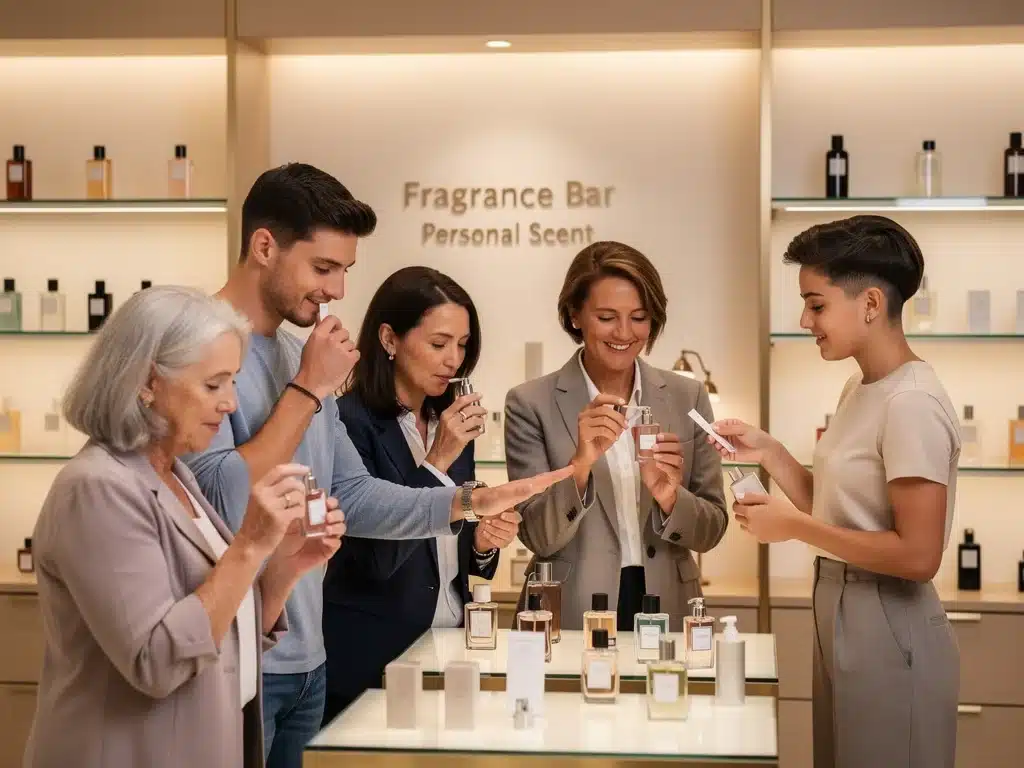
The impact of gender-neutral fragrances extends beyond sales; it fosters a more accepting and progressive culture within the beauty industry. As society continues to embrace diversity, the demand for fragrances that celebrate every individual’s unique essence will only strengthen, solidifying this trend as a permanent fixture in the 2026 fragrance market.
The influence of digital culture and virtual experiences
In 2026, digital culture and virtual experiences are profoundly shaping how consumers discover, interact with, and purchase fragrances. The pandemic accelerated the adoption of online shopping and digital engagement, and these habits have firmly embedded themselves in the fragrance market. Brands are leveraging technology to overcome the traditional challenge of buying scent without smelling it, creating immersive and innovative virtual touchpoints.
From augmented reality (AR) filters that suggest scents based on visual cues to sophisticated AI-powered recommendation engines, the digital realm is transforming the consumer journey. Social media platforms continue to be powerful tools for discovery, with influencers and content creators playing a pivotal role in showcasing niche scents and sparking curiosity. The digital landscape is no longer just a sales channel; it’s an integral part of the fragrance experience.
Virtual scent discovery and AI recommendations
One of the most significant advancements is the development of virtual tools that help consumers navigate the complex world of fragrance from home. AI algorithms analyze preferences, past purchases, and even emotional responses to suggest personalized scents. While virtual reality (VR) can’t replicate scent, it can create highly immersive sensory experiences that evoke the mood and inspiration behind a fragrance.
- Scent quizzes: Interactive online quizzes that guide users through questions about their lifestyle, preferences, and desired mood to recommend fragrances.
- Augmented reality filters: Brands are using AR filters on social media to associate scents with visual aesthetics, allowing users to ‘try on’ a fragrance virtually.
- AI-driven personalized recommendations: Algorithms learn from user data to offer highly specific and relevant fragrance suggestions, akin to a virtual perfumer.
The role of social media and influencer marketing
Social media platforms remain crucial for fragrance discovery and engagement. Perfume enthusiasts, often referred to as ‘fragrance TikTokers’ or ‘fragrance YouTubers,’ create engaging content that reviews, compares, and discusses various scents. Their authenticity and passion resonate with audiences, driving interest in niche and indie brands that might not have traditional advertising budgets. Live shopping events and interactive Q&A sessions with perfumers are also becoming more commonplace.
The digital space provides an unparalleled opportunity for niche brands to reach a global audience without the need for extensive physical retail presence. As technology continues to evolve, the integration of virtual and augmented reality into the fragrance experience will only deepen, making digital culture an indispensable aspect of the 2026 fragrance market.
The emergence of functional fragrances
Beyond simply smelling pleasant, a compelling trend emerging in 2026 is the rise of functional fragrances. These are scents designed not only for aesthetic appeal but also to evoke specific physiological or psychological responses. This innovative approach integrates aromatherapy principles with perfumery, offering consumers fragrances that can enhance mood, improve focus, promote relaxation, or even boost energy.
This trend taps into a growing consumer awareness of holistic well-being and the powerful connection between scent and emotion. As people seek ways to manage stress, improve sleep, or enhance their daily routines, functional fragrances provide a subtle yet effective tool. It represents a significant evolution in how we perceive and utilize scent, moving it from a purely cosmetic item to a wellness aid.
Scents for well-being and mood enhancement
Functional fragrances are carefully formulated using specific essential oils and aroma compounds known for their therapeutic properties. These scents are often developed with input from neuroscientists and aromatherapists to ensure their efficacy. The goal is to create a tangible benefit beyond the olfactory pleasure, making the fragrance a part of a self-care routine.
- Relaxation blends: Lavender, chamomile, and sandalwood notes designed to calm the mind and aid sleep.
- Focus enhancers: Rosemary, peppermint, and lemon to improve concentration and mental clarity.
- Energy boosters: Citrus, ginger, and eucalyptus to invigorate and uplift spirits.
Integrating scent into daily rituals
The application of functional fragrances often extends beyond traditional perfume sprays. They are incorporated into various products, from room diffusers and pillow mists to body lotions and even wearable patches. This allows consumers to integrate these beneficial scents seamlessly into their daily rituals, creating a personalized atmosphere that supports their well-being goals throughout the day and night.
The market for functional fragrances is driven by a desire for products that offer more than superficial benefits. As consumers become more attuned to their mental and physical health, the appeal of scents that actively contribute to their well-being will continue to grow. This trend marks a sophisticated intersection of beauty, science, and wellness, poised to redefine the role of fragrance in our lives in 2026.
| Key Trend | Brief Description |
|---|---|
| Hyper-Personalization | Consumers seek unique scents reflecting individual identity, driving custom blends and layering. |
| Artisanal & Small-Batch | Demand for authentic, handcrafted scents with unique ingredients and compelling narratives. |
| Sustainability & Ethics | Focus on eco-friendly packaging, transparent supply chains, and cruelty-free formulations. |
| Functional Fragrances | Scents designed for wellness, mood enhancement, relaxation, or improved focus. |
Frequently asked questions about 2026 fragrance trends
Niche scents in 2026 are characterized by their limited distribution, unique ingredient profiles, and often, an artistic vision from an independent perfumer. They prioritize uniqueness and quality over mass appeal, offering distinct olfactory experiences that stand apart from mainstream fragrances.
Sustainability is a core driver for new fragrance releases, with brands focusing on ethically sourced ingredients, eco-friendly and refillable packaging, and transparent production processes. Consumers are actively seeking out brands that demonstrate a genuine commitment to environmental and social responsibility.
While gender-specific fragrances still exist, there’s a strong and growing trend towards gender-neutral and inclusive scents. The focus has shifted from traditional marketing to allowing individuals to choose fragrances based on personal preference and how the scent makes them feel, irrespective of gender.
Functional fragrances are scents formulated to evoke specific physiological or psychological responses, such as relaxation, focus, or energy. They are trending due to a heightened consumer interest in holistic well-being and the desire for products that offer tangible benefits beyond just a pleasant aroma.
Discovering new niche scents in 2026 can be done through various avenues, including online fragrance communities, social media influencers, specialized perfume boutiques, and virtual scent discovery tools. Many brands also offer sample sets, allowing for exploration before committing to a full bottle.
Conclusion
The US fragrance market in 2026 is a dynamic and exciting landscape, characterized by a profound shift towards personalization, authenticity, and conscious consumption. The five dominant trends—hyper-personalization, artisanal craftsmanship, sustainability, gender neutrality, and functional scents—collectively paint a picture of an industry that is more responsive, innovative, and deeply connected to individual well-being. As consumers continue to seek fragrances that resonate on a deeper level, the future of perfumery promises an enriched and more meaningful olfactory journey for everyone.