Restore Classic Garments: Extend Life by 3 Years
Advertisements
Implementing proper care strategies and professional restoration techniques can significantly extend the lifespan of your classic garments, ensuring their beauty and integrity for an average of three additional years.
Do you own cherished pieces that hold sentimental value or represent timeless style? Learning to restore classic garments is not just a hobby; it’s an investment in preserving history and extending the life of your favorite items. This guide will walk you through five professional tips designed to help you keep your beloved clothes looking their best for an average of three extra years.
Advertisements
Understanding Fabric Composition and Its Impact on Care
Before embarking on any restoration journey, a deep understanding of your garment’s fabric composition is paramount. Different fibers react uniquely to cleaning agents, temperatures, and storage conditions. Treating a delicate silk blouse the same way you would a sturdy wool coat can lead to irreversible damage, shortening its lifespan rather than extending it.
Natural fibers like cotton, linen, silk, and wool each possess distinct characteristics. Cotton and linen are generally robust and can withstand more rigorous cleaning, though excessive heat can cause shrinkage or fading. Silk, known for its luxurious feel, is incredibly delicate and requires gentle handling, often demanding hand-washing or professional dry cleaning. Wool, while durable, can shrink and felt if exposed to hot water and agitation, making cold water and specialized detergents essential.
Identifying Fabric Types
The first step in proper care is accurate identification. Always check the care label inside your garment. If the label is missing or illegible, a simple burn test (on an inconspicuous seam allowance) can help distinguish between natural and synthetic fibers. Natural fibers tend to burn to ash, while synthetics melt or form hard beads.
- Cotton: Burns quickly with a soft, feathery ash.
- Linen: Burns similarly to cotton, but leaves a crisp ash.
- Silk: Burns slowly, smells like burning hair, and leaves a brittle, dark ash.
- Wool: Sizzles and curls away from the flame, smelling like burning hair, leaving a crumbly ash.
- Synthetics (e.g., Polyester, Nylon): Melt and drip, forming a hard bead.
Understanding these distinctions allows you to select the appropriate cleaning methods and products, which is fundamental to preserving the fabric’s integrity. Incorrect cleaning can weaken fibers, alter colors, and distort the garment’s shape, directly counteracting your efforts to restore classic garments.
Mastering Gentle Cleaning Techniques for Longevity
Aggressive cleaning is one of the quickest ways to degrade classic garments. Mastering gentle cleaning techniques is not just about avoiding immediate damage; it’s about preserving the structural integrity and aesthetic appeal of the fabric over time. This approach significantly contributes to extending the life of your cherished items.
For many classic pieces, especially those made from delicate materials such as silk, lace, or finely woven wool, hand-washing is often the safest and most effective method. It allows for precise control over water temperature, detergent application, and agitation, minimizing stress on the fibers. Always use cold or lukewarm water and a pH-neutral, mild detergent specifically formulated for delicate fabrics. Avoid harsh chemicals or bleaches, which can strip natural oils, fade colors, or weaken threads.
Hand-Washing Delicate Items
When hand-washing, prepare a clean basin or tub. Submerge the garment, gently swishing it in the soapy water. Avoid scrubbing, twisting, or stretching the fabric. Pay particular attention to areas prone to dirt, like collars and cuffs, by gently pressing the fabric against itself. Rinse thoroughly under cool, running water until all soap residue is gone, being careful not to distort the garment’s shape.
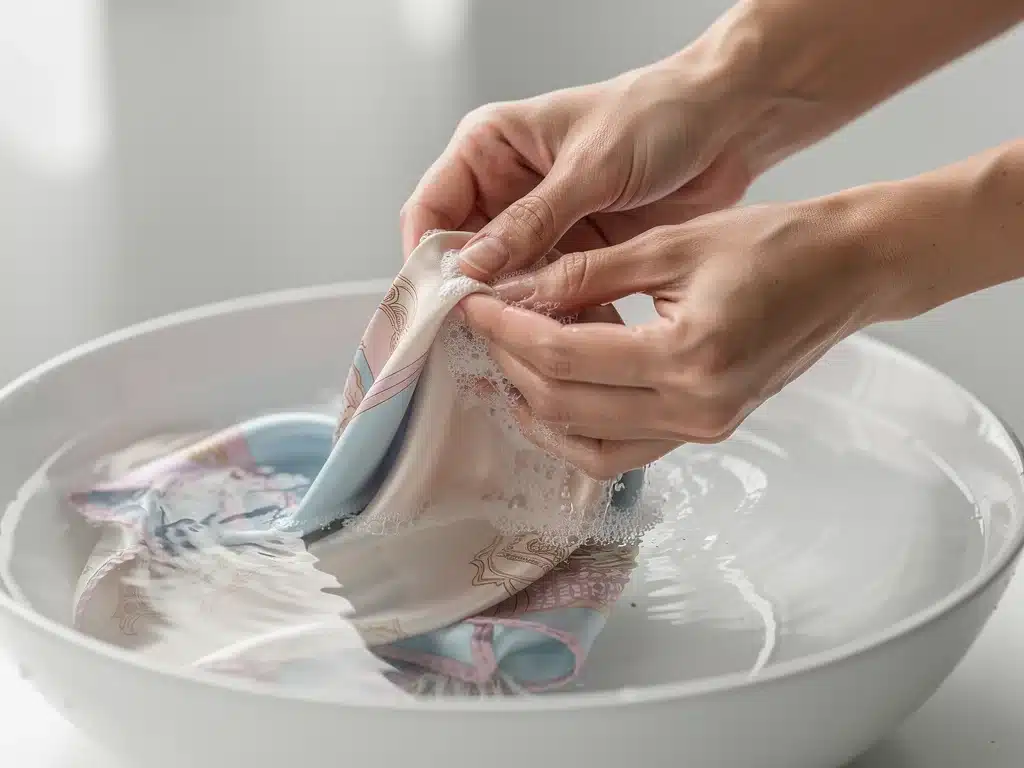
After rinsing, do not wring the garment. Instead, gently press out excess water with your hands, then lay it flat on a clean, dry towel. Roll the garment and towel together, pressing to absorb more moisture. Unroll and reshape the garment, then lay it flat on a fresh, dry surface or hang it on a padded hanger if appropriate for air drying, away from direct sunlight or heat. This meticulous process helps to restore classic garments without causing undue wear.
For items that require dry cleaning, choose a reputable professional with experience in handling vintage or delicate garments. Discuss the fabric composition and any specific concerns you have. A good dry cleaner will use gentle solvents and techniques that protect the integrity of the material, ensuring your classic pieces receive the specialized care they need to last longer.
Strategic Storage Solutions to Prevent Damage
Proper storage is just as crucial as proper cleaning when it comes to extending the life of your classic garments. The way an item is stored can dramatically impact its condition, protecting it from dust, pests, light, and environmental fluctuations. Investing in strategic storage solutions can add years to your clothing’s longevity, making it a key component in efforts to restore classic garments.
First, ensure all garments are clean before storage. Even invisible stains can oxidize over time, leading to permanent discoloration, and food particles can attract pests. Once clean, consider using breathable garment bags made from cotton or muslin for items that need to be hung. Plastic dry-cleaning bags are detrimental for long-term storage as they trap moisture, leading to mildew and yellowing. Padded hangers are essential for delicate fabrics and tailored pieces, preventing stretching, creasing, and shoulder bumps that can permanently alter the garment’s shape.
Optimizing Closet Environment
- Temperature and Humidity Control: Store garments in a cool, dark, and dry place. Extreme temperatures and humidity fluctuations can cause fabrics to degrade, become brittle, or encourage mold growth.
- Pest Prevention: Use natural deterrents like cedar blocks or lavender sachets, but ensure they do not directly touch the fabric, as oils can stain. Regularly inspect your storage area for signs of pests.
- Light Exposure: Direct sunlight and even artificial light can fade dyes and weaken fibers over time. Store garments in closets or opaque containers to minimize light exposure.
For folded items, such as knitwear or heavy sweaters, use acid-free tissue paper to prevent creasing and support the garment’s shape. Fold along existing seams or create soft folds to avoid sharp creases. Store these items in acid-free boxes or drawers, ensuring they are not overcrowded. Overcrowding can lead to crushing, wrinkling, and restricted air circulation, all of which contribute to garment deterioration. By implementing these strategic storage solutions, you actively work to restore classic garments by protecting them from common environmental stressors.
Minor Repairs and Timely Restoration Interventions
Addressing minor wear and tear promptly is a critical aspect of extending the life of classic garments. What might seem like a small snag or a loose button can quickly escalate into a larger, more complex problem if left unaddressed. Timely interventions prevent minor issues from becoming major repairs, preserving the garment’s original integrity and beauty.
Learning basic mending skills is an invaluable asset for any classic fashion enthusiast. Simple tasks such as re-sewing a loose button, repairing a small tear, or reinforcing a weak seam can be done at home with minimal tools. A sewing kit with needles, thread matched to your garment’s color, and a thimble is often all you need. For more delicate fabrics, a fine needle and silk thread can make a seamless repair. The goal is to make repairs as invisible as possible, maintaining the garment’s aesthetic.
Common Repair Techniques
- Button Repair: Use a strong thread and sew through the button and fabric several times, finishing with a shank for buttons on coats or jackets.
- Small Tears/Holes: For woven fabrics, a whip stitch or darning technique can be used. For knits, carefully pick up dropped stitches.
- Loose Hems: Hand-stitch a loose hem with a slip stitch for an invisible finish.
For more significant damage, such as large tears, complex alterations, or delicate embroidery, seeking professional help is advisable. A skilled tailor or textile conservator possesses the expertise and specialized tools to perform intricate repairs without further damaging the garment. They can match threads, replicate original stitching, and even reweave small holes, effectively breathing new life into a worn piece. This proactive approach to maintenance and repair is fundamental to preserving and helping to restore classic garments, ensuring they remain wearable and cherished for years beyond their expected lifespan.
The Importance of Professional Preservation and Specialization
While DIY methods are excellent for routine care, certain classic garments demand the specialized knowledge and equipment that only professional preservationists can offer. This is particularly true for very old, fragile, or highly valuable pieces. Professional intervention extends beyond simple cleaning; it involves a deep understanding of textile history, chemistry, and conservation techniques tailored to specific fabric types and garment eras. This specialized care is often the key to truly restore classic garments and add decades to their existence.
Textile conservators, for instance, are experts in stabilizing delicate fabrics, mitigating environmental damage, and safely removing ingrained stains that home methods might worsen. They use archival-quality materials and reversible techniques to ensure that any treatment can be undone without harming the original garment. This level of expertise is crucial for heirlooms, historical costumes, or designer vintage pieces where the goal is not just preservation but also maintaining historical accuracy and value.

When to Seek Professional Help
Consider consulting a professional for:
- Severe Stains: Old or stubborn stains (e.g., oil, rust, ink) that haven’t responded to gentle home treatments.
- Fabric Degradation: Brittle, tearing, or weakened fabric that requires stabilization.
- Odor Removal: Deep-seated odors that cannot be eliminated through airing or gentle cleaning.
- Complex Repairs: Extensive tears, delicate embellishments, or structural damage.
- Pre-Storage for Long-Term: Preparing highly valuable items for extended archival storage.
Choosing the right professional is vital. Look for conservators or specialized dry cleaners who have experience with vintage textiles and can provide references. Discuss their proposed methods, the types of chemicals they use, and their understanding of your garment’s specific needs. A good professional will offer a clear assessment and explain the expected outcomes, ensuring peace of mind. By entrusting your most precious pieces to experts, you significantly enhance their chances of enduring for generations, truly allowing you to restore classic garments in the most effective way possible.
Adopting a Mindful Wardrobe Philosophy for Endurance
Beyond individual care techniques, adopting a mindful wardrobe philosophy is perhaps the most holistic approach to extending the life of your classic garments. This philosophy shifts focus from fast fashion consumption to conscious appreciation and sustainable practices. It encourages a deeper connection with your clothing, recognizing each piece as an investment in style, quality, and environmental responsibility, thereby inherently helping to restore classic garments by preventing their premature decline.
A mindful wardrobe begins with thoughtful acquisition. Instead of impulse purchases, consider the garment’s quality, versatility, and potential longevity. Opt for well-made pieces from durable fabrics that are less likely to fall apart after a few washes. Understanding the craftsmanship behind a garment can also foster a greater desire to care for it properly. This approach reduces the overall volume of clothing you own, making it easier to manage and maintain each item effectively.
Key Principles of a Mindful Wardrobe
- Quality Over Quantity: Invest in fewer, higher-quality pieces that are designed to last.
- Versatility: Choose garments that can be mixed and matched, maximizing their utility and reducing the need for constant new purchases.
- Conscious Consumption: Avoid trends that quickly become obsolete; focus on timeless styles.
- Regular Maintenance: Integrate care practices into your routine, such as airing clothes, spot cleaning, and timely repairs.
Furthermore, a mindful wardrobe encourages regular assessment of your clothing. Are there items you no longer wear? Instead of discarding them, consider repair, repurposing, or donating them to extend their lifecycle. This not only benefits the environment by reducing textile waste but also reinforces the value of longevity in fashion. By treating your garments with respect, understanding their needs, and integrating them into a sustainable lifestyle, you actively participate in the ongoing process to restore classic garments, ensuring their enduring presence in your wardrobe and beyond.
Integrating Sustainable Practices into Your Garment Care
The journey to extend the life of your classic garments is intrinsically linked with sustainable practices. Caring for your clothes in an environmentally conscious way not only benefits the planet but also often aligns perfectly with the methods that preserve fabric integrity and extend longevity. Embracing sustainability means making deliberate choices that reduce the ecological footprint of your wardrobe while ensuring your cherished pieces remain in pristine condition, further supporting the effort to restore classic garments.
One of the most impactful sustainable practices is reducing the frequency of washing. Many garments, especially outerwear or items worn for short periods, don’t need to be washed after every wear. Often, airing them out or spot cleaning small stains is sufficient. This conserves water and energy, and more importantly, minimizes the wear and tear that washing machines and detergents inflict on fabrics. Over-washing can lead to fading, stretching, and fiber degradation, shortening a garment’s life significantly.
Eco-Friendly Cleaning Alternatives
- Cold Water Washing: Always opt for cold water when possible. It’s gentler on fabrics and saves energy.
- Eco-Friendly Detergents: Choose biodegradable, plant-based detergents free from harsh chemicals and dyes.
- Line Drying: Air drying clothes whenever feasible reduces energy consumption and is much gentler on fabrics than tumble drying, preventing shrinkage and heat damage.
- Less Frequent Dry Cleaning: For items requiring professional cleaning, inquire about eco-friendly dry cleaning options that use non-toxic solvents.
Beyond cleaning, consider the lifecycle of your garments. When a piece is beyond repair or no longer serves its purpose, explore options for recycling or upcycling rather than discarding it. Many textile recycling programs accept worn-out clothing, preventing it from ending up in landfills. Upcycling, transforming old clothes into new items, is another creative way to extend material utility. By integrating these sustainable practices, you not only contribute to a healthier planet but also cultivate a deeper appreciation for the resources embodied in your clothing, reinforcing the value of each effort to restore classic garments and maintain their beauty for years to come.
| Key Point | Brief Description |
|---|---|
| Fabric Understanding | Identify fabric types to apply correct cleaning and care methods, preventing damage. |
| Gentle Cleaning | Utilize hand-washing or professional services with mild detergents to preserve garment integrity. |
| Strategic Storage | Store garments clean, in breathable bags, with proper temperature and humidity control to prevent damage. |
| Timely Repairs | Address minor wear promptly or seek professional help for significant damage to prevent escalation. |
Frequently Asked Questions About Garment Restoration
The frequency depends on wear and fabric type. Many classic garments, especially those not directly touching the skin, benefit from airing out and spot cleaning rather than frequent full washes. Over-washing can degrade fabrics and dyes, so clean only when necessary.
It’s generally not recommended. Even on a delicate cycle, machine washing can be too harsh for fragile classic garments, potentially causing stretching, pilling, or fiber damage. Hand-washing or professional cleaning is usually the safer option to preserve their integrity.
Padded hangers are ideal for most classic garments, especially tailored jackets, coats, and delicate silks. They prevent stretching and distortion of the shoulders and fabric. Wooden hangers are also good for heavier items, but avoid wire hangers at all costs.
Ensure garments are clean before storage. Use natural repellents like cedar blocks or lavender sachets, placed near but not directly on fabrics. Regular inspection of your closet and maintaining a cool, dry environment also deter pests effectively.
Absolutely, especially for valuable, fragile, or sentimental classic pieces. Professionals have specialized knowledge and tools to handle complex repairs, stain removal, and fabric stabilization that home methods cannot achieve, significantly extending a garment’s life and preserving its value.
Conclusion
The art of garment restoration is a blend of careful technique, informed decision-making, and a deep appreciation for the craftsmanship of classic fashion. By meticulously understanding fabric compositions, applying gentle cleaning and strategic storage methods, and addressing minor damages proactively, you can significantly extend the life of your cherished pieces. Embracing a mindful wardrobe philosophy and integrating sustainable practices further solidifies this commitment, ensuring that your favorite classic garments remain timeless treasures for years, even decades, to come. Investing in these professional tips not only preserves your wardrobe but also contributes to a more sustainable and appreciative approach to fashion.