Timeless Elegance: 10 Golden Rules of Classic Fashion Etiquette for 2026
Advertisements
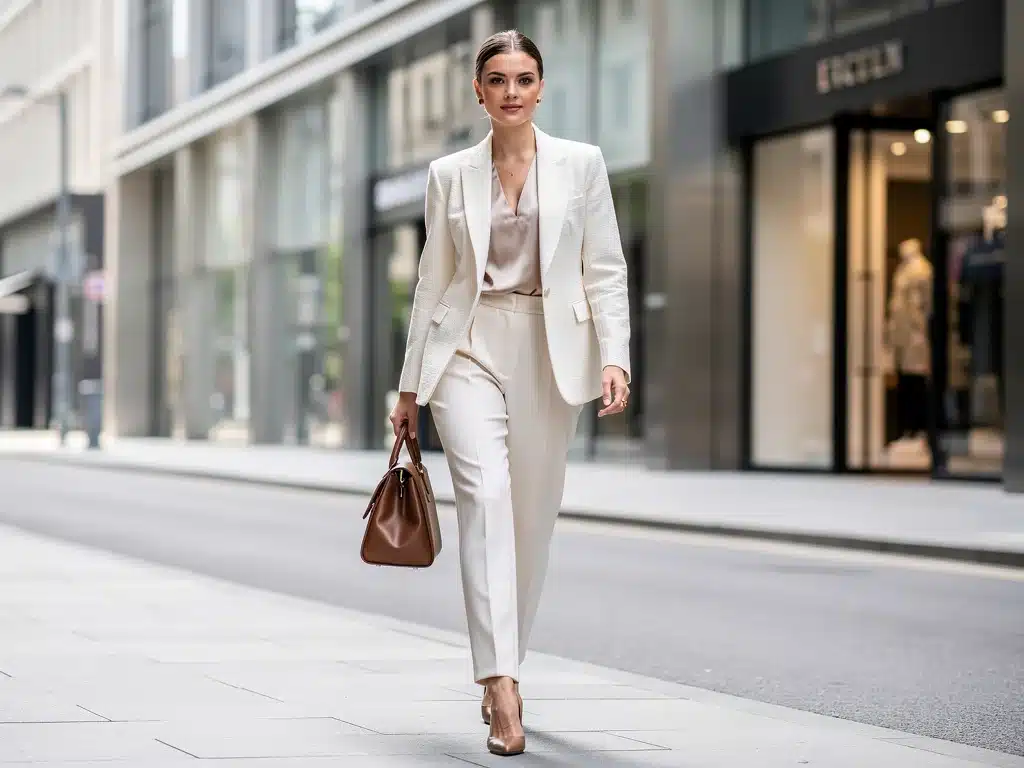
This expert guide on the 10 golden rules of classic fashion etiquette for 2026 provides essential insights into maintaining timeless elegance, ensuring your style remains impeccable and appropriate for any social or professional setting in the modern era.
Are you ready to elevate your style and master the art of sartorial sophistication? In a world constantly chasing fleeting trends, understanding classic fashion etiquette remains the cornerstone of true elegance. This guide will navigate you through the essential principles that define timeless style, ensuring you are impeccably dressed for every occasion in 2026 and beyond.
Advertisements
The enduring allure of classic fashion in a modern world
In an age of rapid fashion cycles and transient viral trends, the appeal of classic fashion continues to grow stronger. This section explores why timeless styles not only persist but thrive, offering a stability and sophistication that modern fast fashion often lacks. We delve into the psychological and practical benefits of investing in a wardrobe that transcends seasonal whims.
Classic fashion is not merely about adhering to old traditions; it’s about understanding foundational principles that make any outfit look polished and appropriate. It’s about quality over quantity, versatility over fleeting novelty. As we move further into the 21st century, the demand for sustainable and enduring style choices makes classic fashion more relevant than ever.
understanding the core tenants
- Quality materials: Prioritize natural fibers like wool, silk, cotton, and linen for durability and comfort.
- Impeccable fit: Garments should always be tailored to your body, creating a silhouette that is flattering and comfortable.
- Neutral color palette: Build your wardrobe around versatile colors such as black, navy, gray, white, and beige.
- Minimalist design: Embrace clean lines and understated aesthetics, avoiding excessive embellishments.
The core tenets of classic fashion revolve around these simple yet powerful ideas. By focusing on these elements, individuals can cultivate a wardrobe that is both practical and profoundly stylish, preparing them for any social or professional engagement without a moment’s hesitation. The investment in such pieces pays dividends in longevity and consistent elegance.
Ultimately, the enduring allure of classic fashion lies in its ability to empower the wearer. It provides a silent confidence that comes from knowing you are appropriately and beautifully dressed, no matter the situation. This form of dressing is a statement of intentionality and respect, both for oneself and for others.
Rule 1: the power of proper fit and tailoring
The foundation of any elegant ensemble, regardless of its classic or contemporary nature, rests squarely on fit. A perfectly tailored garment can transform a simple outfit into a sophisticated statement, while ill-fitting attire can undermine even the most luxurious brands. This rule emphasizes that clothing should complement your body’s natural lines, not obscure or constrict them.
Investing in tailoring is not a luxury but a necessity for anyone aspiring to master classic fashion etiquette. Off-the-rack clothing rarely fits perfectly, but a skilled tailor can make minor adjustments that create a custom-made appearance. This attention to detail communicates a level of care and precision that is instantly noticeable.
why tailoring matters
- Enhanced silhouette: Tailored clothes create cleaner lines and a more flattering shape.
- Increased comfort: Garments that fit well allow for ease of movement without being baggy or too tight.
- Professional impression: A well-fitted suit or dress conveys competence and attention to detail in professional settings.
- Longevity of garments: Properly fitted clothes are less likely to stretch or wear out prematurely in awkward places.
Beyond the aesthetic benefits, proper fit contributes significantly to the longevity of your clothing. When garments fit correctly, they experience less stress on seams and fabric, leading to a longer lifespan. This aligns perfectly with the sustainable principles inherent in classic fashion, encouraging conscious consumption and reducing waste.
Consider the difference between a mass-produced suit and one that has been expertly adjusted to your measurements. The latter not only looks better but feels better, allowing you to move with confidence and poise. This fundamental rule is often overlooked, yet it is arguably the most impactful in achieving true sartorial elegance.
Rule 2: understanding dress codes for every occasion
Navigating social and professional events requires a keen understanding of dress codes. This rule is about deciphering the nuances of terms like ‘black tie,’ ‘cocktail attire,’ ‘business formal,’ and ‘smart casual,’ ensuring you select an outfit that is not only stylish but also appropriate for the context. Misinterpreting a dress code can lead to discomfort and a perception of disrespect.
In 2026, while some traditional boundaries may blur, the core principles of dress code adherence remain steadfast. It’s about showing respect for the host, the occasion, and the other guests. A little research or a thoughtful inquiry can save you from a major fashion faux pas.
deciphering common dress codes
- Black tie: For men, a tuxedo with a black bow tie. For women, a formal evening gown or sophisticated cocktail dress.
- Cocktail attire: For men, a dark suit with a tie. For women, a knee-length or midi-length dress, or elegant separates.
- Business formal: For men, a suit and tie. For women, a tailored suit or a conservative dress.
- Smart casual: For men, dress trousers or dark jeans with a collared shirt or sport coat. For women, stylish trousers, a skirt, or a dress with a smart blouse.
The key to mastering this rule is not just knowing what to wear, but understanding the underlying expectation. For instance, ‘smart casual’ at a daytime event will differ significantly from ‘smart casual’ for an evening gathering. Context is paramount, and adapting your interpretation to the specific environment is crucial.
Always consider the location, time of day, and the nature of the event. When in doubt, it’s generally safer to be slightly overdressed than underdressed, as it conveys a greater sense of respect and preparedness. This thoughtfulness is a hallmark of classic fashion etiquette.
Rule 3: the art of accessorizing with intention
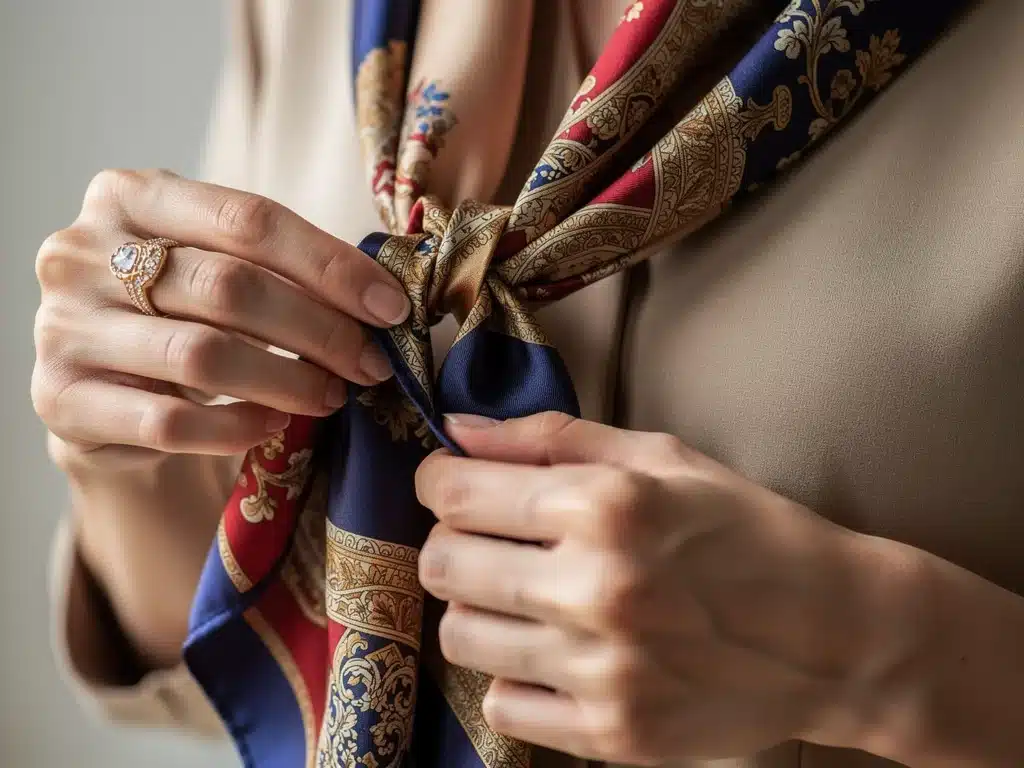
Accessories are the punctuation marks of an outfit, capable of elevating a simple look or detracting from a sophisticated one. This rule emphasizes the importance of choosing accessories not just for their aesthetic appeal, but for their ability to complement, rather than overwhelm, your ensemble. Less is often more when it comes to classic accessorizing.
In 2026, while statement pieces may trend, the classic approach to accessories remains focused on quality, proportion, and relevance. Think of understated jewelry, a well-chosen watch, a classic handbag, or a timeless pair of shoes. Each piece should serve a purpose and enhance the overall harmony of your look.
thoughtful accessory choices
- Jewelry: Opt for classic pieces like pearl earrings, a delicate necklace, or a sophisticated watch. Avoid overly flashy or noisy items.
- Handbags: Choose structured, high-quality bags in neutral colors that complement your outfit and are appropriate for the occasion.
- Shoes: Invest in versatile, comfortable, and well-maintained footwear such as leather loafers, classic pumps, or elegant ankle boots.
- Scarves: A silk scarf can add a touch of color and sophistication, worn around the neck, in the hair, or tied to a handbag.
The intention behind your accessory choices should always be to refine your appearance, not to distract from it. A single, exquisite piece can speak volumes more than a multitude of trendy items. Consider the material, craftsmanship, and how each accessory integrates with the rest of your attire.
Remember that worn or damaged accessories can instantly diminish the elegance of an otherwise perfect outfit. Regular maintenance and careful selection are key to ensuring your accessories always contribute positively to your classic style. This rule highlights that true elegance is found in the thoughtful details.
Rule 4: embracing quality fabrics and construction
The tactile and visual appeal of clothing is largely determined by its fabric and construction. This rule underscores the necessity of choosing garments made from high-quality materials and with superior craftsmanship. Such items not only look better but also last longer, aligning with the sustainable ethos of classic fashion.
While synthetic blends have their place, classic fashion prioritizes natural fibers for their breathability, durability, and luxurious feel. Think wool, cashmere, silk, linen, and high-thread-count cotton. These materials drape beautifully, age gracefully, and offer unparalleled comfort.
the benefits of premium materials
- Durability: High-quality fabrics and construction ensure garments withstand repeated wear and washing.
- Comfort: Natural fibers are often more breathable and comfortable against the skin than synthetics.
- Aesthetic appeal: Premium materials have a richer texture and a more refined appearance.
- Sustainability: Investing in durable items reduces the need for frequent replacements, promoting a more sustainable wardrobe.
Beyond the fabric itself, pay attention to the construction of the garment. Look for strong, even stitching, well-finished seams, and quality hardware (buttons, zippers). These details are indicators of a well-made piece that will retain its shape and integrity over time.
Choosing quality over quantity is a hallmark of classic fashion. Building a wardrobe of well-made, durable pieces means you’ll have reliable, elegant options for years to come, rather than a closet full of items that quickly fall apart or go out of style. This rule is an investment in your personal image and in sustainable practices.
Rule 5: maintaining impeccable grooming and presentation
Fashion etiquette extends beyond the clothes you wear; it encompasses your entire presentation. This rule emphasizes the critical importance of impeccable grooming, from your hair and skin to your nails and posture. A sophisticated outfit can be entirely undermined by unkempt hair or poor personal hygiene.
In 2026, personal presentation remains a direct reflection of respect for oneself and for others. It’s about appearing polished and put-together, signaling attention to detail and a commitment to excellence. This doesn’t mean spending hours on elaborate routines, but rather cultivating consistent habits that ensure you always look your best.
key grooming aspects
- Hair: Keep hair clean, well-styled, and appropriate for your face shape and personal style.
- Skin: Maintain a healthy complexion through a consistent skincare routine.
- Nails: Ensure nails are clean, neatly trimmed, and (if applicable) polished without chips.
- Oral hygiene: Fresh breath and a clean smile are non-negotiable for social interactions.
- Posture: Stand and sit with confidence and grace, as good posture enhances any outfit.
Fragrance also plays a subtle yet significant role. Choose a classic, understated scent and apply it sparingly. The goal is for your fragrance to be a pleasant whisper, not an overpowering shout. Over-application can be as detrimental as neglecting personal hygiene.
Ultimately, impeccable grooming is about presenting a holistic image of refinement and care. It demonstrates that you value yourself and the impression you make on others. This rule is a constant, timeless principle of classic fashion etiquette that transcends all trends and seasons.

Rule 6: the timeless appeal of a capsule wardrobe
A capsule wardrobe, built upon versatile and interchangeable pieces, is the epitome of classic fashion efficiency. This rule encourages curating a collection of high-quality, foundational garments that can be mixed and matched to create numerous outfits for various occasions. It simplifies dressing, reduces decision fatigue, and ensures consistent elegance.
In 2026, with increasing awareness of sustainability and mindful consumption, the capsule wardrobe concept is more pertinent than ever. It champions quality over quantity, promoting a more thoughtful approach to personal style and reducing textile waste. This method streamlines your closet, making it easier to always find something appropriate to wear.
building your classic capsule
- Core neutrals: Focus on black, navy, gray, white, and beige for maximum versatility.
- Essential garments: Include tailored trousers, a classic blazer, a crisp white shirt, a little black dress, and a trench coat.
- Versatile footwear: Invest in classic options like pumps, loafers, and simple ankle boots.
- Timeless accessories: A quality watch, a leather belt, and a silk scarf can elevate any look.
The beauty of a capsule wardrobe lies in its adaptability. By selecting pieces that complement each other in terms of color, fabric, and style, you can effortlessly transition from a business meeting to a casual dinner, or from a daytime event to an evening gathering, with just a few changes in accessories.
This approach not only saves time and money but also fosters a deeper understanding of your personal style. It encourages you to identify what truly suits you and what makes you feel confident and elegant, rather than being swayed by transient trends. The capsule wardrobe is a powerful tool for embodying classic fashion etiquette.
Rule 7: appropriate use of color and pattern
While classic fashion often leans towards a neutral palette, the judicious use of color and pattern is vital for expressing individuality and adding visual interest. This rule guides you in incorporating these elements thoughtfully, ensuring they enhance rather than detract from your overall elegance. It’s about balance and subtlety, avoiding overwhelming combinations.
In 2026, a classic wardrobe is not devoid of color, but rather employs it strategically. A pop of color in an accessory, a subtle stripe on a shirt, or a timeless plaid blazer can significantly enrich an outfit. The key is to understand how colors and patterns interact and to choose those that complement your personal complexion and the occasion.
strategic color and pattern integration
- Accent colors: Use vibrant hues in accessories like scarves, ties, or handbags to add a focal point.
- Classic patterns: Incorporate timeless patterns such as stripes, subtle plaids, houndstooth, or polka dots.
- Monochromatic looks: Dressing in varying shades of a single color creates a sophisticated and elongating effect.
- Seasonal palettes: Adapt your color choices to the season, opting for lighter tones in spring/summer and deeper hues in fall/winter.
When combining patterns, ensure there’s a unifying element, such as a shared color, or vary the scale of the patterns to create harmony. A large floral print might clash with a bold geometric design, but a subtle stripe could work beautifully with a small check.
The goal is to create an ensemble that feels cohesive and intentional, where colors and patterns work together to tell a story of refined taste. This rule encourages creative expression within the boundaries of classic elegance, ensuring your style is both distinguished and uniquely yours.
Rule 8: the importance of quality footwear and outerwear
Footwear and outerwear are often the first and last elements observers notice, playing a crucial role in the overall impression of an outfit. This rule emphasizes investing in high-quality shoes, boots, coats, and jackets that are not only stylish but also durable and appropriate for various weather conditions and occasions. They are foundational components of a classic wardrobe.
In 2026, well-maintained, classic footwear and outerwear continue to signal careful attention to detail and a respect for personal presentation. A worn-out pair of shoes or a flimsy coat can easily detract from an otherwise polished look, regardless of the quality of the clothes beneath.
essential footwear and outerwear
- Leather shoes: Invest in classic styles such as Oxfords, loafers, pumps, or ankle boots, ensuring they are polished and in good repair.
- Versatile coats: A trench coat, a classic wool overcoat, or a tailored blazer are indispensable for layering and adding sophistication.
- Seasonal considerations: Choose materials and styles appropriate for the climate, from lightweight linen jackets to heavy wool coats.
- Comfort and fit: Footwear should be comfortable and fit well, as discomfort can affect your posture and overall demeanor.
The care you put into your shoes and coats speaks volumes. Regular cleaning, polishing, and timely repairs extend their lifespan and maintain their pristine appearance. Scuffed shoes or a wrinkled coat can quickly undermine an otherwise elegant ensemble.
These items are not merely functional; they are integral parts of your sartorial statement. By prioritizing quality and maintenance in your footwear and outerwear, you reinforce your commitment to classic fashion etiquette and ensure you always step out looking impeccably put-together, no matter the elements.
Rule 9: understanding context and cultural sensitivity
Fashion etiquette is not universal; it is deeply intertwined with context and cultural norms. This rule highlights the importance of being aware of the specific environment you are entering and adjusting your attire accordingly. What is perfectly acceptable in one setting or culture might be considered inappropriate or disrespectful in another.
In our increasingly globalized world of 2026, understanding cultural sensitivity in dress is more crucial than ever. It’s about showing respect for local customs and traditions, whether you are traveling internationally or attending diverse cultural events at home. A thoughtful approach to your wardrobe can foster positive interactions and avoid misunderstandings.
navigating diverse contexts
- Research local customs: Before traveling or attending a culturally specific event, research appropriate attire.
- Observe and adapt: Pay attention to what locals are wearing and adjust your style to blend in respectfully.
- Modesty considerations: In some cultures, modest dress is expected, requiring coverage of shoulders, knees, or head.
- Professional settings: Business attire can vary significantly between countries; understand the local corporate dress code.
This rule extends beyond formal cultural events to everyday social situations. For instance, dressing for a casual family gathering will differ from dressing for a formal dinner with new acquaintances, even within the same culture. The key is to be adaptable and observant.
By demonstrating cultural sensitivity and contextual awareness through your fashion choices, you not only exhibit good manners but also open doors to richer experiences and deeper connections. This thoughtful approach is a cornerstone of refined classic fashion etiquette, reflecting a considerate and informed individual.
Rule 10: confidence and grace as the ultimate accessory
The final and arguably most crucial rule of classic fashion etiquette is that true elegance is projected from within. No matter how perfectly tailored your clothes or how exquisite your accessories, genuine confidence and grace are the ultimate adornments. This rule emphasizes that how you carry yourself, how you interact, and your inner poise complete any distinguished ensemble.
In 2026, authenticity and self-assurance are highly valued. A person who is comfortable in their own skin and exudes a quiet confidence will always appear more stylish and memorable than someone merely wearing expensive clothes without conviction. Grace in movement, speech, and interaction elevates your entire presence.
cultivating inner elegance
- Self-assurance: Wear your clothes with confidence, owning your style choices.
- Poise and posture: Stand tall, move gracefully, and maintain an open, approachable demeanor.
- Kindness and respect: Treat others with courtesy and consideration, as true elegance encompasses social interactions.
- Authenticity: Let your personality shine through your style, rather than mimicking others.
Confidence is not about arrogance; it’s about knowing yourself and feeling secure in your identity. When you feel good about what you’re wearing and how you present yourself, it naturally translates into a more confident demeanor. This inner glow is the most powerful fashion statement you can make.
Grace involves not just physical movements but also a gracious attitude. It’s about being present, listening actively, and engaging thoughtfully with those around you. These qualities, combined with a well-chosen outfit, create an unforgettable impression of timeless elegance. This rule reminds us that fashion is ultimately an extension of who we are, and our inner qualities are our most beautiful accessories.
| Key Rule | Brief Description |
|---|---|
| Proper Fit & Tailoring | Ensures garments perfectly complement your body shape for a polished look. |
| Understand Dress Codes | Select appropriate attire for each occasion, showing respect and awareness. |
| Art of Accessorizing | Choose quality, understated accessories that enhance, not overpower, your outfit. |
| Impeccable Grooming | Maintain personal hygiene and grooming for a polished, put-together appearance. |
frequently asked questions about classic fashion etiquette
Begin by investing in foundational, versatile pieces one at a time, focusing on quality over quantity. Look for sales, consider secondhand luxury items, and prioritize neutral colors that can be easily mixed and matched. A classic blazer or a well-fitting pair of trousers are excellent starting points.
Absolutely! The beauty of classic fashion lies in its adaptability. Pairing a timeless tailored blazer with a trendy top or modern accessories can create a sophisticated and current look. The key is balance; let one element be the focal point while the other provides a refined foundation.
One of the most frequent mistakes is neglecting proper fit. Even the most expensive clothes will look cheap if they don’t fit well. Another common error is misunderstanding or ignoring dress codes, which can lead to feeling out of place or showing disrespect for the occasion.
Opt for timeless, high-quality pieces that complement your outfit rather than competing with it. Think delicate jewelry, a classic watch, a structured handbag, or a silk scarf. Avoid excessive bling or overly trendy items. The goal is subtle enhancement and refined polish.
Yes, absolutely. While the formality changes, the principles of classic fashion etiquette, such as proper fit, quality materials, and good grooming, still apply to casual attire. Even jeans and a t-shirt can look elegant if they are well-fitting, clean, and paired with appropriate footwear and minimal accessories.
conclusion: embracing timeless elegance for a confident 2026
As we’ve explored throughout this guide, mastering the 10 golden rules of classic fashion etiquette for 2026 is not about adhering to rigid, outdated norms, but rather about cultivating a thoughtful, respectful, and confident approach to personal style. From the fundamental importance of proper fit and quality materials to the subtle art of accessorizing and the essential role of impeccable grooming, each rule contributes to an overall image of timeless elegance. By understanding and applying these principles, you not only enhance your appearance but also project an aura of professionalism, respect, and self-assurance in every aspect of your life. Embrace these guidelines, and you’ll find that true style is an enduring statement, far beyond the fleeting trends of any given season.