Timeless Textiles: Longevity of 6 Classic Fabrics in 2026
Advertisements
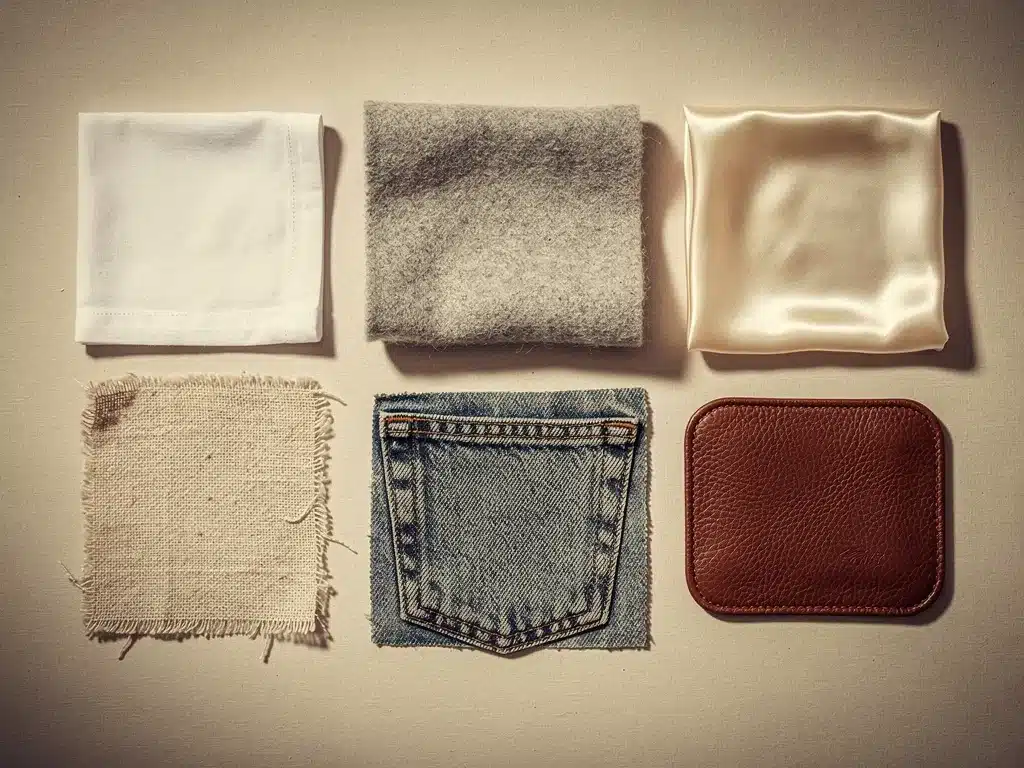
Understanding the intrinsic value and enduring appeal of classic fabrics is crucial for sustainable fashion. This article delves into the longevity of six key textiles—cotton, linen, wool, silk, denim, and leather—highlighting their timeless relevance and practical benefits in 2026 and beyond.
Have you ever wondered why some garments remain beloved staples in our wardrobes, year after year, decade after decade? The secret often lies in the fabric itself. Exploring Timeless Textiles: Understanding the Longevity of 6 Key Classic Fabrics in 2026 and Beyond reveals not just their historical significance, but also their continued relevance in a rapidly evolving fashion landscape.
Advertisements
The Enduring Appeal of Cotton: A Versatile Workhorse
Cotton, a natural fiber derived from the cotton plant, has been a cornerstone of human civilization for millennia. Its widespread adoption stems from its remarkable versatility, breathability, and comfort. In 2026, cotton continues to dominate the textile market, not only for its natural properties but also for advancements in sustainable cultivation and processing.
From everyday t-shirts to sophisticated shirting, cotton’s adaptability makes it indispensable. Its ability to absorb moisture and allow air circulation ensures comfort in various climates, making it a favorite for both casual wear and more formal attire. The longevity of cotton garments is often attributed to their robust nature and ease of care, allowing them to withstand numerous washes and wears without significant degradation.
Organic Cotton and Sustainable Practices
The demand for environmentally friendly options has led to a significant rise in organic cotton production. This approach focuses on cultivating cotton without synthetic pesticides or fertilizers, reducing its environmental footprint. Consumers are increasingly seeking out these sustainable alternatives, recognizing the long-term benefits for both the planet and their personal health.
- Reduced Chemical Exposure: Organic farming minimizes harmful chemical runoff.
- Improved Soil Health: Sustainable methods promote biodiversity and soil fertility.
- Water Conservation: Innovations in irrigation reduce water usage in cotton farming.
- Ethical Labor Practices: Organic certification often includes fair labor standards.
Despite its perceived simplicity, cotton offers a wide range of textures and finishes, from crisp poplin to soft brushed flannel. This diversity ensures its continued relevance across various fashion segments, reinforcing its status as a fabric with truly timeless longevity.
Linen: The Resilient and Breathable Choice
Linen, derived from the flax plant, holds a distinguished place among classic textiles due to its exceptional strength and breathability. Known for its characteristic slubby texture and natural luster, linen has been cherished since ancient times for its comfort in warm climates and its remarkable durability. As we look towards 2026, linen’s sustainable credentials and enduring aesthetic ensure its continued prominence.
Unlike many other fabrics, linen actually becomes softer and more pliable with each wash and wear, without losing its inherent strength. This unique characteristic contributes significantly to its longevity, making linen garments true heirloom pieces that can be passed down through generations. Its natural resistance to moths and common fabric pests further enhances its lifespan.
Care and Maintenance for Linen Longevity
While linen is robust, proper care can extend its life significantly. Washing linen at lower temperatures and air-drying helps preserve its fibers and natural structure. Ironing linen while slightly damp can help achieve a crisp finish, though its natural wrinkles are often considered part of its charm.
- Gentle Washing: Use mild detergents and cool water to protect fibers.
- Air Drying Preferred: Avoid high heat from dryers which can weaken linen.
- Embrace Wrinkles: Linen’s natural crinkles are part of its character.
- Store Properly: Keep linen items in breathable storage to prevent mildew.
Linen’s eco-friendly profile, requiring less water and fewer pesticides than cotton, aligns perfectly with the growing consumer demand for sustainable fashion. Its natural origins and inherent strength make it a fabric that not only lasts but also ages gracefully, epitomizing the concept of Timeless Textiles Longevity.
Wool: Nature’s Insulator with Unmatched Durability
Wool, a natural fiber typically sourced from sheep, is celebrated for its exceptional warmth, resilience, and moisture-wicking properties. For centuries, it has been the go-to material for outerwear, blankets, and sophisticated suiting, and its relevance is only growing in 2026 as consumers seek high-performance, natural alternatives. The complex structure of wool fibers allows garments to retain their shape and resist wrinkles, contributing significantly to their long lifespan.
Beyond its insulating capabilities, wool is naturally flame-resistant and possesses antimicrobial properties, which means it stays fresher for longer and requires less frequent washing. This inherent self-cleaning ability is a major factor in its longevity, as it reduces wear and tear from laundering. High-quality wool, such as Merino or cashmere, offers a luxurious feel without compromising on durability.
Understanding Different Wool Types
The world of wool is vast, encompassing a variety of types, each with unique characteristics that influence its longevity and application. From rugged tweed to fine worsted, understanding these differences helps in appreciating wool’s diverse appeal.
- Merino Wool: Known for its fine, soft fibers, excellent for next-to-skin comfort.
- Cashmere: Luxuriously soft and lightweight, offering superior warmth.
- Lambswool: Soft and elastic, typically from the first shearing of a lamb.
- Shetland Wool: Durable and slightly coarse, ideal for sturdy knitwear.
Investing in wool garments is often seen as a long-term decision. With proper care, including gentle washing or dry cleaning and appropriate storage to prevent moth damage, wool items can last for decades, proving their status as truly Timeless Textiles Longevity champions.
Silk: The Luxurious and Strong Fiber
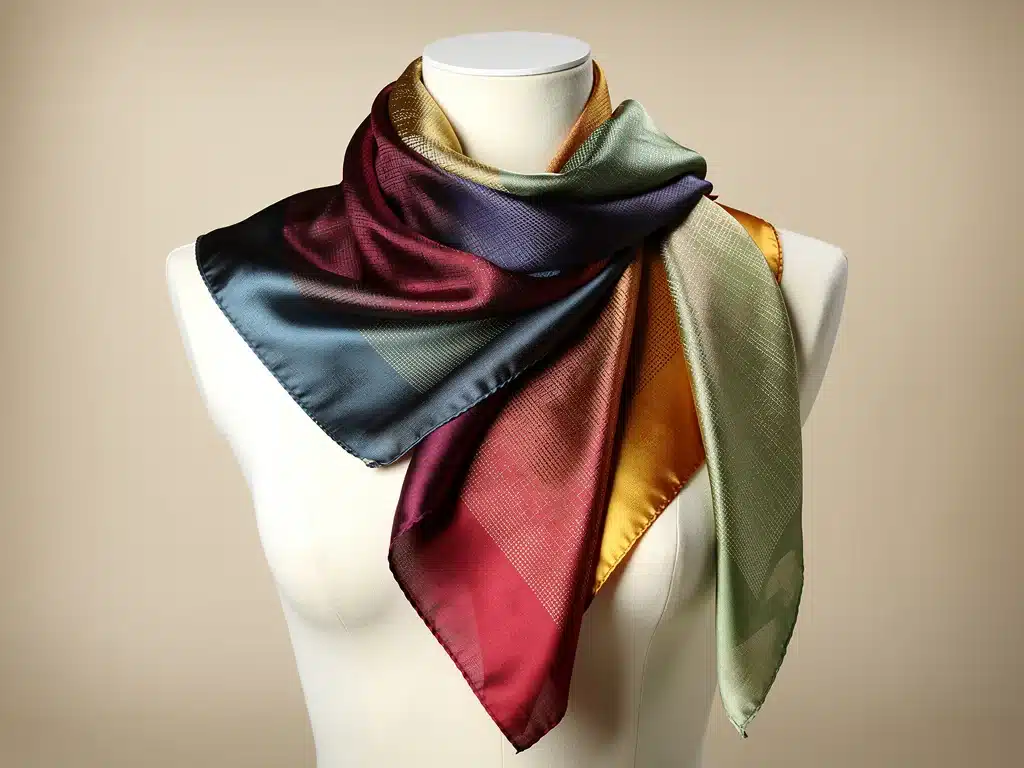
Silk, often hailed as the ‘Queen of Fabrics,’ is a natural protein fiber produced by silkworms. Renowned for its exquisite luster, smooth texture, and luxurious drape, silk has been a symbol of elegance and sophistication for thousands of years. While perceived as delicate, silk is, in fact, one of the strongest natural fibers, contributing to the impressive longevity of silk garments when cared for properly.
Its unique protein structure makes silk both strong and elastic, allowing it to resist wrinkles and maintain its shape over time. Silk also has excellent thermoregulating properties, keeping the wearer cool in summer and warm in winter, further enhancing its appeal as a versatile and long-lasting fabric. The smooth surface of silk also makes it resistant to dust mites and hypoallergenic, adding to its practical benefits.
Caring for Silk to Maximize Lifespan
To ensure the longevity of silk, specific care instructions are crucial. Hand washing in cold water with a gentle detergent is often recommended, avoiding harsh chemicals or excessive agitation. Air-drying away from direct sunlight helps preserve its color and sheen.
- Gentle Hand Wash: Use cold water and specialized silk detergent.
- Avoid Wringing: Gently squeeze out excess water to prevent damage.
- Air Dry: Lay flat or hang to dry away from direct heat or sun.
- Proper Storage: Store in a cool, dry place, away from sharp objects.
Despite its higher price point, the durability and timeless beauty of silk make it a worthwhile investment. Its ability to transcend fleeting trends and maintain its luxurious quality solidifies its position as a fabric that exemplifies Timeless Textiles Longevity.
Denim: The Iconic Fabric of Durability and Style
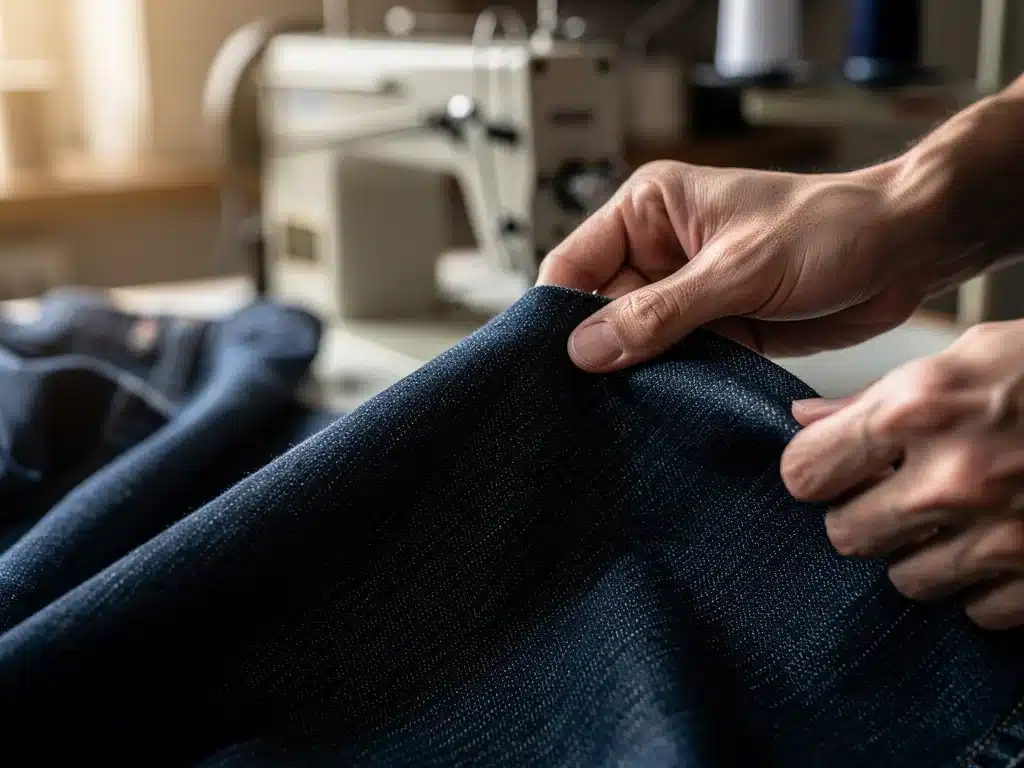
Denim, a sturdy cotton twill fabric, has transcended its origins as workwear to become a global fashion icon. Its characteristic indigo color and rugged construction have made it synonymous with durability and versatile style. In 2026, denim continues to be a wardrobe essential, evolving with new washes, cuts, and sustainable production methods, yet retaining its fundamental attributes of strength and endurance.
The tightly woven twill construction of denim gives it exceptional resistance to tearing and abrasion, allowing jeans, jackets, and skirts to withstand years of active use. The gradual fading and softening of denim over time are often considered desirable, adding character and a personalized touch to each garment. This ‘aging gracefully’ aspect is a key contributor to denim’s timeless appeal and longevity.
Sustainable Denim Innovations
The denim industry has made significant strides in addressing environmental concerns associated with its production. Innovations in water-saving technologies, natural dyes, and recycled cotton blends are leading the way towards more sustainable denim options.
- Waterless Dyeing: Techniques that drastically reduce water consumption in the dyeing process.
- Recycled Content: Incorporating post-consumer or pre-consumer cotton waste into new denim.
- Laser Finishing: Replacing traditional chemical and water-intensive finishing processes.
- Natural Fibers Blends: Combining denim with hemp or Tencel for enhanced sustainability.
The ability of denim to adapt to new trends while maintaining its core identity ensures its continued relevance. Its inherent strength and the cultural significance of denim make it a prime example of Timeless Textiles Longevity, proving that some materials are simply built to last.
Leather: The Ultimate in Enduring Luxury and Protection
Leather, a natural material created from animal hides, stands apart as a textile known for its unparalleled durability, protective qualities, and ability to develop a beautiful patina over time. From ancient armor to modern luxury goods, leather has consistently been valued for its strength, flexibility, and timeless aesthetic. In 2026, high-quality leather remains a coveted material, appreciated for its investment value and long-term wear.
The dense, fibrous structure of leather provides exceptional resistance to abrasion and tearing, making it ideal for items that endure significant wear, such as jackets, bags, shoes, and upholstery. Unlike many synthetic materials, real leather breathes, adapting to temperature changes and offering comfort. Its ability to mold to the wearer’s shape over time creates a personalized fit, further enhancing its appeal and ensuring its place as a long-lasting staple.
Maintaining Leather for Generations
Proper care is paramount to extending the life of leather products. Regular cleaning, conditioning, and protection from extreme elements can prevent cracking, drying, and discoloration, allowing leather to maintain its luxurious feel and appearance for decades.
- Regular Cleaning: Wipe with a damp cloth to remove surface dirt.
- Conditioning: Apply a suitable leather conditioner to keep it supple.
- Protection: Use waterproof sprays for shoes and bags to guard against moisture.
- Proper Storage: Store in breathable bags, away from direct sunlight and humidity.
While ethical considerations regarding animal welfare and the environmental impact of tanning processes are increasingly important, advancements in sustainable tanning and the growing market for vegan leather alternatives are addressing these concerns. Nevertheless, the inherent longevity and classic appeal of genuine leather firmly establish it as a material that embodies Timeless Textiles Longevity.
| Fabric Type | Key Longevity Factor |
|---|---|
| Cotton | Versatility, breathability, and ease of care contribute to its enduring use. |
| Linen | Exceptional strength, natural resilience, and softens with age. |
| Wool | Natural insulation, resilience, and resistance to wrinkles and odors. |
| Leather | Unparalleled durability, protective qualities, and develops character with age. |
Frequently Asked Questions About Timeless Textiles
Timeless textiles possess inherent qualities like durability, versatility, and aesthetic appeal that transcend fleeting trends. Their ability to adapt to various styles and applications, coupled with their robust nature, ensures they remain relevant and favored across generations, embodying enduring value and functionality.
Proper care significantly extends fabric longevity by preventing premature wear and tear. This includes following specific washing instructions, using appropriate detergents, avoiding harsh drying methods, and correct storage. Such practices help maintain fiber integrity, color, and shape, ensuring garments last for many years.
Yes, sustainable practices are increasingly focused on creating textiles that are not only eco-friendly in production but also designed for enhanced longevity. This includes using stronger, more durable fibers, developing innovative finishes that extend garment life, and encouraging repair and recycling, aligning environmental goals with product lifespan.
While all classic fabrics offer excellent durability, leather often stands out as arguably the most durable due to its dense, fibrous structure and natural resistance to abrasion. When properly cared for, high-quality leather items can last for many decades, often outliving their owners, and developing a unique character over time.
Natural fiber longevity is critical for fashion in 2026 as it directly supports sustainable consumption. Longer-lasting garments reduce waste, decrease the need for constant replacement, and minimize the environmental impact of production. This shift towards durable, high-quality materials is a cornerstone of responsible and ethical fashion.
Conclusion: The Enduring Legacy of Classic Fabrics
The journey through the world of Timeless Textiles: Understanding the Longevity of 6 Key Classic Fabrics in 2026 and Beyond underscores a profound truth: true value in fashion is often found in materials that withstand the test of time. Cotton, linen, wool, silk, denim, and leather are not merely fabrics; they are legacies, woven into the very fabric of human history and destined to remain relevant for generations to come. Their inherent durability, combined with their aesthetic appeal and evolving sustainable production methods, makes them indispensable in any discerning wardrobe. As consumers increasingly prioritize quality, sustainability, and enduring style, these classic textiles will continue to define elegance and practicality, proving that some things, indeed, never go out of fashion.