Authentic Streetwear vs. Fakes: 4-Step Guide 2026
Advertisements
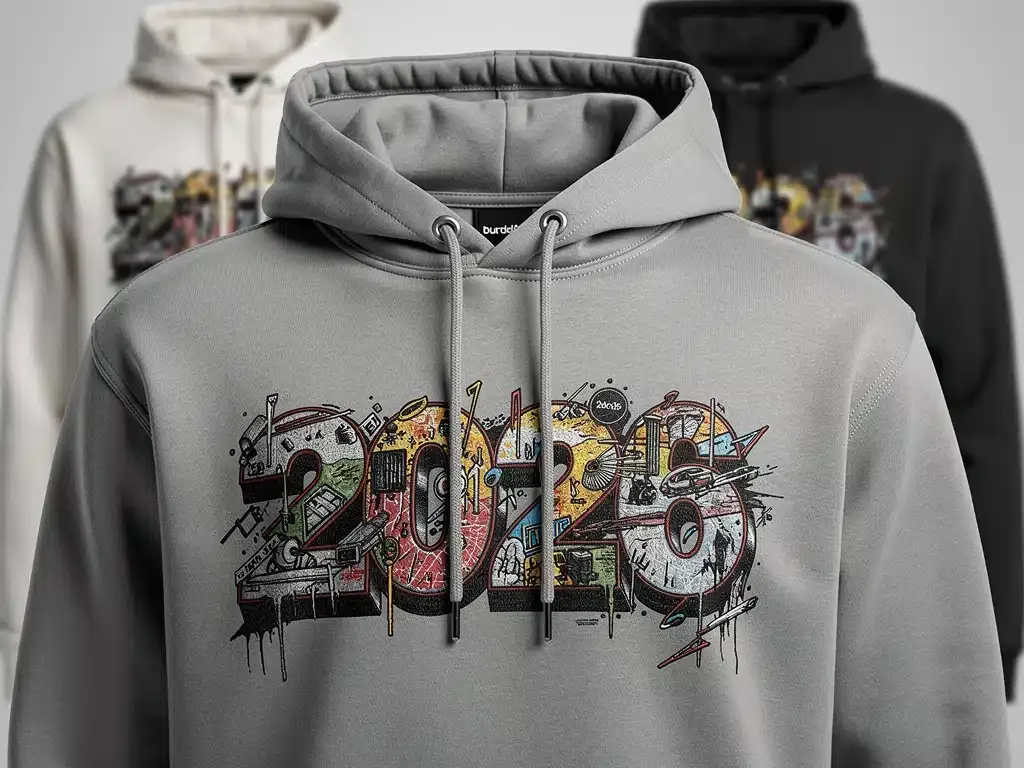
Identifying authentic streetwear from fakes in the 2026 market requires a nuanced understanding of brand specifics, material quality, and verification technologies to ensure genuine purchases.
Navigating the dynamic world of urban fashion can be tricky, especially when distinguishing genuine pieces from counterfeits. This comprehensive guide, From Concept to Closet: A 4-Step Guide to Identifying Authentic Streetwear vs. Fakes in the 2026 Market, is designed to empower you with the knowledge needed to confidently build an authentic streetwear collection.
Understanding the Evolving Landscape of Streetwear Authenticity in 2026
The streetwear market in 2026 is a complex ecosystem, continuously evolving with new trends, technologies, and challenges. As the demand for exclusive and high-quality streetwear continues to surge, so does the sophistication of counterfeit products. This section delves into the contemporary landscape, highlighting why discerning authenticity has become more critical than ever for both seasoned collectors and newcomers.
Counterfeiters are no longer producing easily identifiable knock-offs. They are investing heavily in replicating intricate details, using advanced manufacturing techniques, and even mimicking brand packaging. This makes the task of authentication increasingly difficult, pushing consumers to become more vigilant and informed.
The Rise of Advanced Counterfeiting Techniques
Modern counterfeiters employ sophisticated methods that go beyond simple imitation. They often use similar materials, replicate stitching patterns, and even forge official labels with surprising accuracy. The digital age has also provided them with tools to analyze and reproduce designs with precision.
- High-Quality Material Mimicry: Fakes often use fabrics that feel similar to the original, making tactile identification harder.
- Precision Stitching and Branding: Counterfeiters now replicate complex embroidery and print designs with improved accuracy.
- Replicated Packaging: Even dust bags, tags, and boxes are meticulously copied to create a convincing illusion.
- Exploitation of Supply Chains: Sometimes, fakes are introduced into legitimate supply chains, further blurring the lines.
The sheer volume of fake products circulating in the market poses a significant threat to legitimate brands and consumers alike. It erodes brand value, funds illicit activities, and leaves consumers with inferior products that lack the quality and longevity of authentic items. Therefore, understanding these evolving threats is the first step in safeguarding your investments in streetwear.
In conclusion, the 2026 streetwear market demands a heightened sense of awareness when it comes to authenticity. The increased sophistication of counterfeits necessitates a proactive approach from consumers, focusing on detailed inspection and informed purchasing decisions to ensure they acquire genuine articles.
Step 1: The Fabric and Construction Test – A Foundation of Authenticity
The first crucial step in identifying authentic streetwear involves a thorough examination of the fabric and construction. High-end streetwear brands prioritize quality, using premium materials and meticulous craftsmanship. These details are often overlooked by counterfeiters, providing key indicators of a fake item.
Genuine streetwear pieces are built to last, reflecting the brand’s commitment to excellence. This attention to detail extends from the choice of raw materials to the final stitching, creating a product that feels substantial and well-made.
Material Quality and Hand Feel
Authentic streetwear often utilizes specific, high-quality fabrics that are difficult and expensive to replicate. Pay close attention to the texture, weight, and drape of the material. Does it feel luxurious, soft, or durable as expected from the brand? Fakes often use cheaper alternatives that may look similar but feel distinctly different upon touch.
- Premium Cotton: Look for dense, soft, long-staple cotton in hoodies and tees. Fakes often use thinner, coarser cotton.
- Technical Fabrics: For performance wear, assess if the fabric has the advertised properties like water resistance or breathability.
- Consistent Weave: Examine the fabric for any inconsistencies in the weave or print, which are common in mass-produced fakes.
- Weight and Drape: Authentic items often have a specific weight and drape that cheaper imitations struggle to replicate.
Beyond the fabric itself, the construction of the garment reveals much about its authenticity. High-quality stitching, reinforced seams, and precise pattern matching are hallmarks of legitimate streetwear. Counterfeiters often cut corners here to reduce production costs.
Evaluating Stitching, Seams, and Hardware
The devil is in the details when it comes to construction. Inspect all stitching for uniformity, neatness, and strength. Authentic items will have consistent stitch length, no loose threads, and perfectly aligned seams. Hardware, such as zippers, buttons, and drawstrings, should also be of superior quality, often branded, and feel robust.
- Even Stitching: All seams should be straight, even, and free of loose threads. Double-stitching is common in high-wear areas.
- Reinforced Stress Points: Check areas like pockets, cuffs, and collars for reinforced stitching that adds durability.
- Quality Hardware: Zippers should glide smoothly and often feature branded pulls. Buttons should be securely attached and may have brand engravings.
- Pattern Matching: If the garment has a pattern, it should align perfectly at the seams, especially on complex designs.
By meticulously examining the fabric and construction, you can often identify a fake before even looking at labels or tags. These physical attributes are the most fundamental indicators of a product’s true quality and origin. This hands-on inspection provides a tangible connection to the craftsmanship of an authentic piece.
Ultimately, the fabric and construction test serves as your initial line of defense against counterfeits. Genuine streetwear brands invest heavily in these aspects, making them difficult and costly for fakes to perfectly replicate. A keen eye for these details will significantly improve your ability to spot an imitation.
Step 2: Scrutinizing Logos, Tags, and Labels – The Brand’s Signature
Logos, tags, and labels are the brand’s signature, and counterfeiters often struggle to replicate them perfectly. This second step focuses on these critical elements, which, when examined closely, can reveal tell-tale signs of an inauthentic product. Brands invest significant resources in their branding, making these details a crucial authentication point.
Every aspect, from the font used to the placement of a care label, is meticulously designed by authentic brands. Fakes, despite their advancements, frequently make errors in these specific areas due to production haste or lack of access to original specifications.
Logo Precision and Placement
The brand logo is perhaps the most obvious identifier, yet it’s also where many fakes fall short. Examine the logo for crispness, correct proportions, and accurate color. Compare it with official images from the brand’s website. Any blurring, unevenness, or incorrect color saturation is a red flag. Pay attention to its placement; authentic brands have precise standards.
- Sharpness and Clarity: Authentic logos are always sharp, with clean lines and no pixelation or smudging.
- Correct Font and Spacing: Verify that the font, letter spacing, and size match the brand’s official typography.
- Accurate Color Palette: Ensure the logo’s colors are an exact match to the brand’s official color scheme.
- Consistent Placement: Logos should be consistently placed on all authentic items, adhering to brand guidelines.
Beyond the main logo, internal tags and labels offer a wealth of information for authentication. These include neck tags, wash tags, and hang tags, each with specific details that can be cross-referenced with genuine products. Counterfeiters often overlook subtle details in these areas.
Analyzing Internal Tags and Holograms
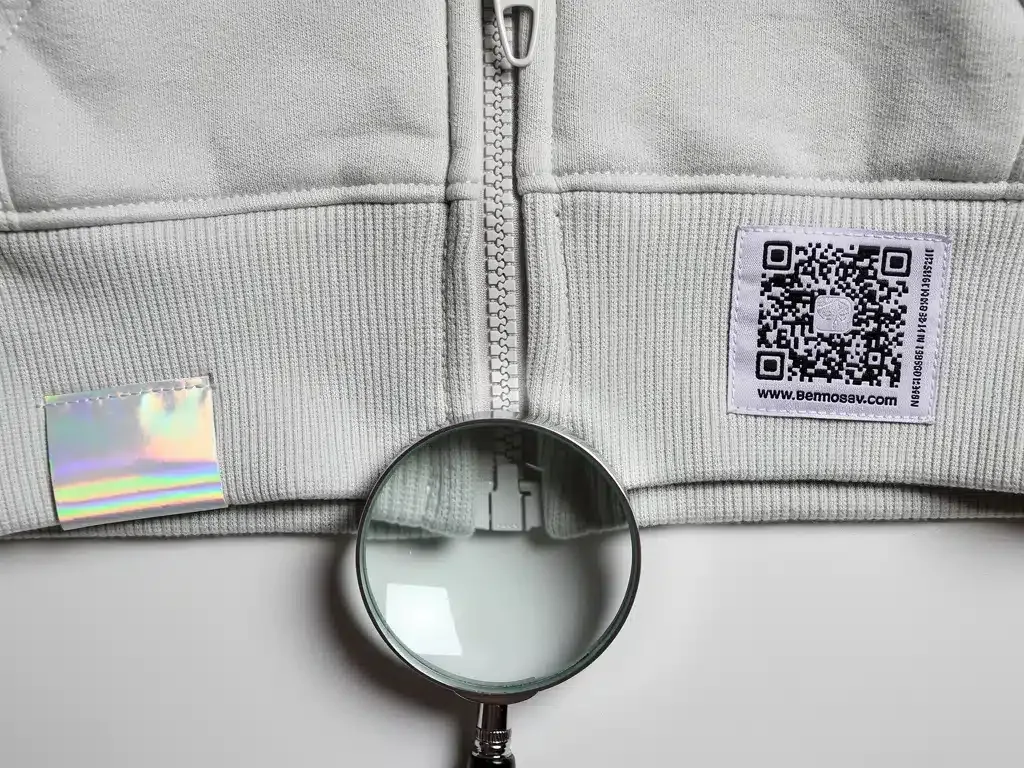
Internal tags, such as neck labels and wash care instructions, should be scrutinized for quality, font consistency, and information accuracy. Authentic brands use high-quality printing, and the text will be clear and legible. Misspellings, grammatical errors, or generic care instructions are strong indicators of a fake. Many premium streetwear brands also incorporate advanced anti-counterfeiting measures.
- Neck Tags: Look for high-quality printing, correct font, and secure stitching. Some brands use specific tag styles for different collections.
- Wash Tags/Care Labels: These should contain accurate material composition, washing instructions, and often a unique serial number or QR code.
- Holographic Security Features: A growing number of brands include holographic stickers or threads that change color or pattern when viewed from different angles.
- QR Codes and NFC Tags: Scan any QR codes or tap NFC tags with your smartphone. These should link directly to the brand’s official authentication page, not a generic website.
Hang tags, often attached to new garments, provide additional authentication points. These typically include product names, sizes, barcodes, and sometimes a price. Ensure the information on the hang tag matches the garment and that the quality of the tag itself is high, with no cheap paper or flimsy attachments.
In essence, logos, tags, and labels are miniature canvases of a brand’s identity. Any deviation from the expected quality, precision, or information presented on these elements should raise a significant red flag. A meticulous comparison with known authentic examples is indispensable for this step.
Step 3: Researching the Seller and Purchase History – Minimizing Risk
Even with a keen eye for physical details, the seller’s credibility and the item’s purchase history are paramount in verifying authenticity. In the 2026 market, where online transactions dominate, understanding the seller’s reputation and the provenance of an item can significantly reduce the risk of acquiring a fake. This step focuses on due diligence before and after the purchase.
A reputable seller will always be transparent about their sourcing and provide ample proof of authenticity. Conversely, a seller who is evasive or offers deals that seem too good to be true should be approached with extreme caution.
Vetting Online Retailers and Resellers
When purchasing streetwear, especially from third-party platforms or individual resellers, thoroughly research their reputation. Look for established online stores with positive reviews, clear return policies, and secure payment options. Avoid dealing with sellers who only accept untraceable payment methods or have newly created accounts with no transaction history.
- Check Reviews and Ratings: Look for consistent positive feedback regarding authenticity and customer service.
- Seller’s History: A long history of selling authentic items builds trust. Be wary of new sellers with high-value items.
- Official Partnerships: Some resellers are officially recognized by brands. Prioritize these channels.
- Clear Return Policies: Reputable sellers offer clear and fair return policies, which is a sign of confidence in their products.
The story behind an item can also provide crucial clues to its authenticity. A legitimate seller should be able to provide details about where and when the item was purchased, ideally with receipts or order confirmations. This provenance adds a layer of verifiable history to the product.
Demanding Proof of Purchase and Authentication Certificates
Always request proof of purchase from the original retailer. This could be a physical receipt, an email confirmation, or an order screenshot. These documents should detail the item, date, and price, matching what you expect for an authentic product. Some high-end streetwear items also come with authentication certificates or digital NFT-based provenance.
- Original Receipts: A dated receipt from an authorized retailer is the strongest proof of purchase.
- Order Confirmations: Digital confirmations from official online stores can also serve as proof.
- Authentication Certificates: Certain luxury streetwear brands issue physical or digital certificates of authenticity.
- Blockchain/NFT Provenance: In 2026, more brands are utilizing blockchain technology and NFTs to track product origin and authenticity. Ask for this digital trail.
Remember, if a deal seems too good to be true, it likely is. Streetwear, especially limited-edition drops, retains its value. Significant discounts on new, highly sought-after items should immediately raise suspicion. Prioritize sellers who are transparent and willing to provide all necessary documentation.
By diligently researching the seller and demanding comprehensive purchase history and authentication proofs, you significantly empower yourself in the fight against fakes. This proactive approach ensures that your hard-earned money is spent on genuine articles, not cleverly disguised imitations.
Step 4: Leveraging Digital Tools and Expert Opinions – The 2026 Edge
In the rapidly advancing digital age of 2026, technology offers powerful tools to combat counterfeiting. The final step in authenticating streetwear involves utilizing these digital resources and, when doubt persists, seeking expert opinions. These methods provide an advanced layer of verification, often beyond what a visual inspection can reveal.
From AI-powered authentication apps to online communities and professional authenticators, a wealth of resources is available to help you confirm the legitimacy of your streetwear items. Embracing these tools is crucial for navigating the sophisticated counterfeit market.
Utilizing AI-Powered Authentication Apps
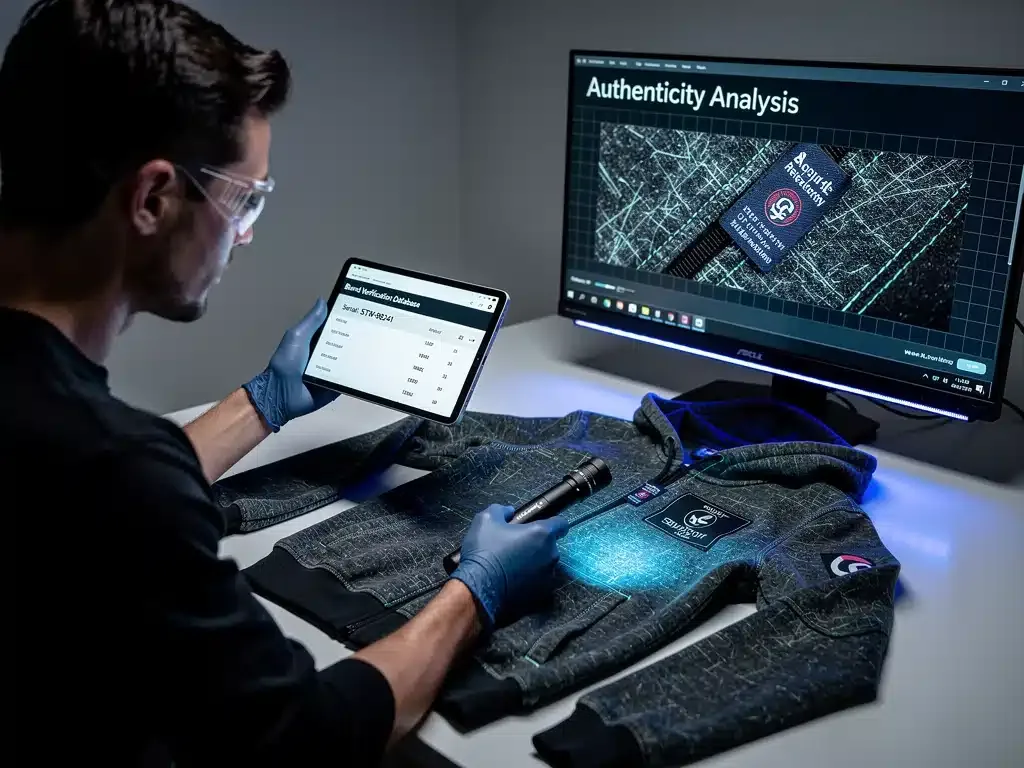
Several mobile applications now leverage artificial intelligence and machine learning to analyze product images and details, comparing them to vast databases of authentic items. These apps can detect minute discrepancies that might be invisible to the human eye, offering a quick and often reliable preliminary check.
- Image Recognition: Upload photos of your item, and the AI will analyze logos, stitching, and materials against known authentic examples.
- Serial Number Verification: Many apps allow you to input serial numbers or product codes for cross-referencing with brand databases.
- Community Feedback: Some platforms integrate community features where experienced collectors can offer their insights.
- Database Updates: These apps are constantly updated with new counterfeit indicators, keeping pace with evolving fakes.
Beyond automated tools, the collective knowledge of online communities and the specialized expertise of professional authenticators provide invaluable support. These resources can offer nuanced insights and definitive judgments, especially for rare or complex items.
Consulting Online Communities and Professional Authenticators
Online forums, social media groups, and dedicated streetwear authentication communities are excellent places to seek advice. Post detailed photos of your item and ask for opinions from experienced members. While not always definitive, these communities can often spot common fake tells. For high-value or highly suspect items, a professional authenticator is the gold standard.
- Dedicated Forums/Subreddits: Platforms like Reddit have active communities focused on authenticating specific streetwear brands.
- Social Media Groups: Join private Facebook or Discord groups where experts and enthusiasts share knowledge.
- Professional Authentication Services: Companies specialize in authenticating luxury and streetwear items, offering certificates and guarantees.
- Brand Hotlines/Online Verification: Some brands provide direct channels for consumers to verify product codes or serial numbers.
Remember that while digital tools offer convenience, they are not infallible. Always use them as part of a multi-pronged approach, combining them with physical inspection and seller vetting. For critical decisions, a professional authenticator provides the highest level of assurance.
By embracing the digital advancements of 2026 and recognizing the value of expert human judgment, you can significantly enhance your ability to confirm the authenticity of streetwear. This combination of technology and expertise provides the ultimate safeguard against the ever-present threat of counterfeits.
The Impact of Counterfeits on the Streetwear Ecosystem
The proliferation of counterfeit streetwear extends far beyond individual financial loss; it has a profound and damaging impact on the entire streetwear ecosystem. From undermining brand integrity to stifling innovation and even funding illicit activities, the consequences are multifaceted and severe. Understanding this broader impact reinforces the importance of authentication.
When consumers unknowingly purchase fakes, they inadvertently contribute to a harmful cycle that affects designers, legitimate retailers, and the very culture of streetwear itself. This section explores these wider implications, painting a clearer picture of why fighting fakes is a collective responsibility.
Erosion of Brand Value and Trust
Counterfeits dilute a brand’s exclusivity and prestige. When fake versions of a highly sought-after item are widely available, the perceived value of the authentic product diminishes. Consumers may lose trust in a brand if they struggle to differentiate between genuine and imitation goods, or if they feel their investment in an authentic piece is devalued by cheap knock-offs. This erosion of trust can have long-term consequences for a brand’s reputation and market standing.
- Diminished Exclusivity: Fakes make rare items appear common, reducing their appeal to collectors.
- Reputational Damage: Poor quality fakes can be mistakenly attributed to the original brand, harming its image.
- Consumer Confusion: The difficulty in telling fakes from real items can make consumers hesitant to purchase.
- Reduced Innovation Incentive: Brands may be less inclined to invest in unique designs if they are quickly copied.
The financial implications for authentic brands are substantial. Lost sales due to counterfeits mean reduced revenue, which in turn affects their ability to invest in new designs, sustainable practices, and fair labor. This can lead to job losses and a general slowdown in the legitimate fashion industry. Moreover, the production of counterfeits often involves unethical labor practices and environmental damage.
Ethical Concerns and Economic Repercussions
The manufacturing of fake streetwear is rarely conducted under ethical conditions. Counterfeit operations often exploit vulnerable workers, paying substandard wages, and operating in unsafe environments. There is also a significant environmental cost, as these operations often disregard environmental regulations, leading to pollution and waste.
- Unethical Labor Practices: Workers in counterfeit factories are often subjected to poor conditions and low pay.
- Environmental Damage: Production of fakes often involves harmful chemicals and unsustainable manufacturing processes.
- Funding Organized Crime: Profits from counterfeit sales are frequently funneled into organized crime, drug trafficking, and even terrorism.
- Economic Impact: Legitimate businesses suffer from lost sales, leading to reduced tax revenue and economic stagnation.
Beyond the direct impact, the presence of fakes can also lead to a general cynicism within the streetwear community. The excitement of new drops and the appreciation for design and craftsmanship can be overshadowed by concerns about authenticity, making the hobby less enjoyable for true enthusiasts.
In conclusion, the decision to invest in authentic streetwear is not just about personal style; it’s a commitment to supporting ethical practices, innovative design, and the integrity of the brands we admire. By actively fighting against counterfeits, consumers play a vital role in preserving the health and vibrancy of the streetwear ecosystem.
Future Trends in Streetwear Authentication: 2026 and Beyond
As we look beyond 2026, the methods for authenticating streetwear are poised for further evolution, driven by technological advancements and the increasing sophistication of both brands and counterfeiters. The future of authenticity will likely involve a blend of cutting-edge tech and more integrated consumer education, making the fight against fakes a continuous arms race.
Brands are already exploring innovative solutions to protect their intellectual property and provide absolute certainty to their customers. These emerging trends will redefine how we verify genuine streetwear in the coming years, pushing the boundaries of what’s possible.
Blockchain and NFT Integration for Provenance
One of the most promising future trends is the widespread adoption of blockchain technology and Non-Fungible Tokens (NFTs) for product provenance. By linking a physical item to a unique digital token on a decentralized ledger, brands can create an immutable record of ownership and authenticity. This provides an irrefutable digital trail from concept to closet.
- Immutable Records: Blockchain ensures that an item’s history, from manufacturing to sale, cannot be altered.
- Digital Certificates: NFTs can serve as verifiable digital certificates of authenticity, easily transferable with the item.
- Enhanced Transparency: Consumers can scan a tag to access the full history and authenticity data of their purchase.
- Resale Market Security: NFTs can help verify authenticity in the secondary market, protecting both buyers and sellers.
Beyond blockchain, advancements in material science and embedded technologies will offer new ways to secure products at their source. These innovations aim to make counterfeiting prohibitively difficult and expensive, further distancing fakes from authentic items.
Smart Materials and Embedded Security Features
The integration of smart materials and microscopic security features directly into garments will become more common. Imagine fabrics with embedded microchips that can be scanned to confirm authenticity, or dyes that react to specific light frequencies, revealing hidden brand markers. These technologies provide a physical layer of security that is extremely challenging for counterfeiters to replicate.
- Micro-Engravings: Invisible micro-engravings on hardware or fabric that require specialized equipment to view.
- DNA Tagging: Using synthetic DNA markers woven into fabric threads, verifiable through laboratory tests.
- RFID Chips: Radio-frequency identification (RFID) chips embedded in labels to track and authenticate products.
- Temperature-Reactive Inks: Inks that change color or become visible under certain temperature conditions, revealing hidden logos.
The future of streetwear authentication is dynamic and exciting. Brands will continue to innovate, creating more robust protective measures, while consumers will gain access to increasingly sophisticated tools for verification. Staying informed about these emerging technologies will be key to maintaining an authentic collection in the years to come.
In summary, the evolution of authentication methods promises a more secure and transparent market. By embracing these future trends, both brands and consumers can collectively work towards a streetwear ecosystem where authenticity is the norm, not a constant battle.
Building Your Authentic Streetwear Collection Responsibly
Curating an authentic streetwear collection is more than just acquiring desirable pieces; it’s about making informed decisions, supporting legitimate brands, and contributing positively to the fashion industry. This final section provides actionable advice on how to build your collection responsibly, emphasizing ethical consumption and long-term value.
A responsible collector understands that their choices have an impact, not only on their personal style but also on the wider market. By prioritizing authenticity, you champion creativity, quality, and ethical production over illicit trade.
Prioritizing Authorized Retailers and Verified Resellers
The easiest way to ensure authenticity is to purchase directly from authorized retailers or reputable, brand-verified resellers. These channels guarantee that you are receiving a genuine product, often with warranties and customer support. While this might mean paying full retail price, it offers peace of mind and supports the brand directly.
- Official Brand Websites: Always the safest bet for new releases and core collections.
- Flagship Stores: Physical stores offer a tactile experience and direct customer service.
- Certified Boutiques: Many multi-brand boutiques are officially authorized to carry specific streetwear brands.
- Verified Resale Platforms: Use platforms that offer their own authentication services and buyer protection.
Beyond where you buy, understanding the typical price points for authentic items is crucial. Streetwear, especially limited-edition drops, holds its value. Be skeptical of deals that seem unusually low, as they are often indicative of counterfeit goods. Investing in authentic pieces means investing in quality and longevity.
Understanding Market Value and Avoiding “Too Good to Be True” Deals
Research the typical market value of the streetwear items you’re interested in. Platforms like StockX, GOAT, and Grailed provide real-time data on resale prices, giving you a realistic expectation of what an authentic piece should cost. Significant deviations from these averages, particularly on new or rare items, should be a major warning sign.
- Research Resale Prices: Use reputable secondary market platforms to understand current market values.
- Be Wary of Steep Discounts: Authentic, sought-after streetwear rarely goes on deep discount, especially for new releases.
- Educate Yourself on Drops: Understand how and when brands release new items to avoid falling for fake pre-orders.
- Consider the Source: Reflect on why a seller might be offering an item significantly below market value.
Building a responsible and authentic streetwear collection is a journey of continuous learning and careful decision-making. By applying the 4-step guide – examining fabric and construction, scrutinizing logos and tags, researching sellers, and leveraging digital tools – you equip yourself with the best defenses against fakes.
Ultimately, your commitment to authenticity not only protects your personal investment but also upholds the integrity of the streetwear culture. Collect wisely, wear proudly, and contribute to a genuine and thriving fashion community.
| Key Authentication Step | Brief Description |
|---|---|
| Fabric & Construction | Examine material quality, stitching, and hardware for premium craftsmanship. |
| Logos, Tags & Labels | Scrutinize logo precision, font, and security features on all branding elements. |
| Seller & Purchase History | Vet retailer reputation and demand proof of purchase or authenticity certificates. |
| Digital Tools & Experts | Utilize AI apps, online communities, and professional authenticators for advanced checks. |
Frequently Asked Questions About Streetwear Authenticity
Why is it so hard to spot fake streetwear in 2026?▼Counterfeiters in 2026 employ advanced manufacturing techniques, replicating intricate details, high-quality materials, and even packaging with surprising accuracy. This sophistication makes visual identification alone increasingly challenging for consumers.
Can AI authentication apps reliably detect all fakes?▼AI apps are powerful tools for preliminary checks, using image recognition and database comparisons to spot discrepancies. However, they are not infallible. For high-value items, it’s best to combine AI analysis with physical inspection and expert opinions.
What are the risks of buying counterfeit streetwear?▼Beyond financial loss and poor product quality, buying fakes supports unethical labor practices, causes environmental damage, and can fund organized crime. It also devalues authentic brands and their creative efforts.
How can blockchain technology help verify streetwear authenticity?▼Blockchain creates an immutable, verifiable digital record of a product’s entire journey, from manufacturing to sale. This digital provenance, often tied to NFTs, provides transparent and tamper-proof proof of authenticity for consumers.
What is the most important step for a new collector to ensure authenticity?▼For new collectors, prioritizing purchases from authorized retailers or highly reputable, verified resellers is crucial. This significantly reduces the risk of encountering fakes and builds a solid foundation for an authentic collection.
Conclusion
Navigating the complex and ever-evolving streetwear market of 2026 demands vigilance and a multi-faceted approach to authentication. By mastering the 4-step guide – meticulous inspection of fabric and construction, rigorous scrutiny of logos and tags, thorough research into sellers and purchase history, and strategic leveraging of digital tools and expert opinions – you empower yourself to confidently build an authentic collection. Your commitment to identifying genuine pieces not only protects your investment and personal style but also plays a vital role in supporting ethical practices and the integrity of the streetwear industry as a whole.