Breakthrough Ingredients: Revolutionizing US Cosmetics in the Last Year
Advertisements
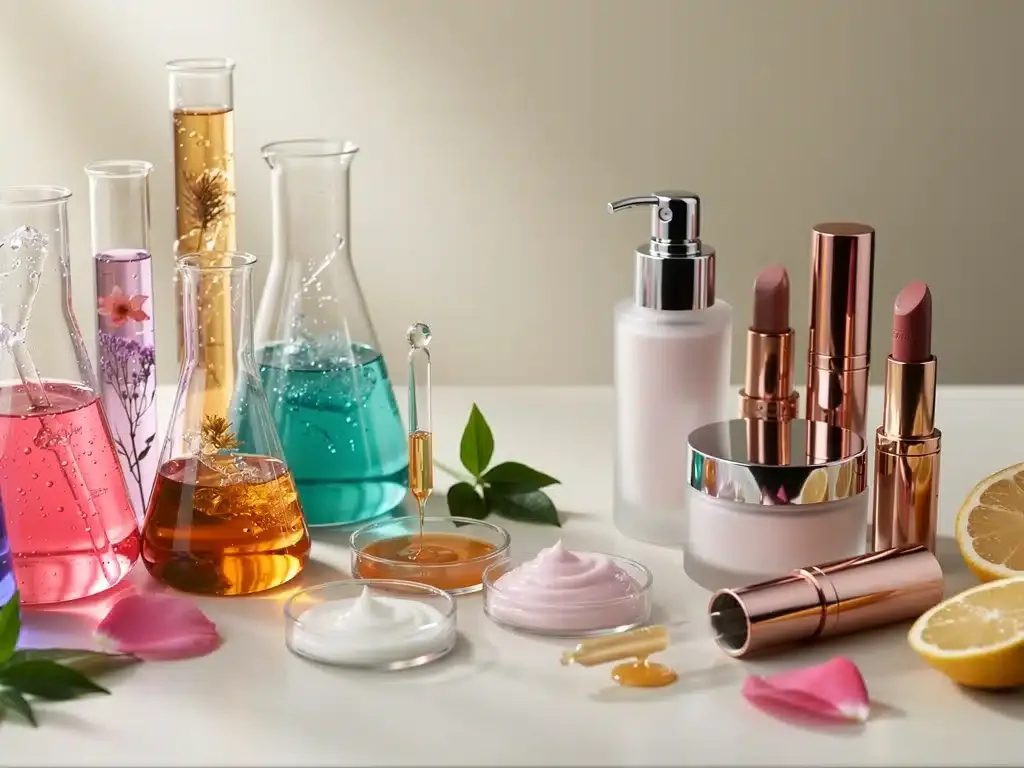
The US cosmetics industry has seen significant advancements in the past year, with 9 breakthrough cosmetic ingredients revolutionizing formulations, offering consumers innovative solutions for enhanced skin health, anti-aging, and sustainable beauty.
The beauty landscape is constantly evolving, driven by scientific innovation and consumer demand for more effective, safer, and sustainable products. In the last year, the US cosmetics market has witnessed an exciting influx of breakthrough cosmetic ingredients, transforming everything from anti-aging serums to daily moisturizers. These advancements are not just about new chemicals; they represent a convergence of biotechnology, natural science, and a deeper understanding of skin physiology, promising remarkable results for consumers seeking cutting-edge solutions.
the rise of advanced peptides: precision in anti-aging
Peptides have long been a cornerstone of anti-aging skincare, but the latest generation of advanced peptides is truly revolutionizing how we approach skin rejuvenation. These sophisticated protein fragments are engineered to target specific cellular pathways, offering unparalleled precision in combating signs of aging. Their ability to communicate directly with skin cells allows for highly effective solutions, moving beyond generic anti-aging claims to deliver verifiable results.
The focus has shifted from simply stimulating collagen to orchestrating a more holistic cellular repair and regeneration process. This new wave of peptides is designed to mimic the body’s natural signaling mechanisms, promoting a youthful appearance from within.
novel peptide structures
Recent breakthroughs include peptides with unique molecular structures that enhance their penetration and stability, ensuring they reach their intended targets within the skin more efficiently. These innovations address previous challenges of peptide delivery and efficacy.
- Signal Peptides: Encourage collagen and elastin production, essential for skin firmness.
- Carrier Peptides: Deliver trace elements that aid in wound healing and enzyme activity.
- Neurotransmitter Peptides: Temporarily relax facial muscles, reducing the appearance of expression lines.
- Enzyme Inhibitor Peptides: Slow down the degradation of collagen and other skin proteins.
The development of these advanced peptides signifies a leap forward in cosmetic science, offering consumers more targeted and potent anti-aging solutions. Their integration into formulations allows for a multi-faceted approach to skin health, addressing various concerns simultaneously and with greater efficacy than ever before.
exosomes: cellular communication for skin repair
Exosomes are tiny vesicles released by cells, acting as messengers to transfer proteins, lipids, and genetic material between cells. In the past year, their potential in cosmetics has exploded, opening new avenues for skin repair and regeneration. These microscopic powerhouses are being harnessed for their ability to facilitate cellular communication, leading to profound improvements in skin health and appearance.
Their regenerative properties make them particularly exciting for addressing damaged skin, promoting healing, and enhancing overall vitality. The application of exosomes represents a biomimetic approach, leveraging the body’s own communication systems for therapeutic effect.
bio-engineered exosome applications
Scientists are now capable of isolating and amplifying exosomes from various sources, including stem cells, to create highly concentrated and effective cosmetic ingredients. These bio-engineered exosomes are proving to be game-changers.
The benefits of exosome technology extend beyond simple repair. They are showing promise in reducing inflammation, boosting collagen synthesis, and accelerating cell turnover, making them a versatile ingredient for a wide range of skin concerns. Their ability to deliver active compounds directly to target cells makes them highly efficient.
The integration of exosomes into skincare marks a significant shift towards cellular-level treatments, offering a more profound and lasting impact on skin health. As research continues, their applications are expected to broaden, further solidifying their place as a leading breakthrough ingredient.
plant-derived growth factors: sustainable regeneration
Growth factors are powerful proteins that stimulate cellular growth, proliferation, and differentiation. Traditionally sourced from animal or human cells, recent ethical and sustainability concerns have propelled the development of plant-derived growth factors. This innovation provides a sustainable and equally effective alternative for promoting skin regeneration and repair.
These botanical powerhouses are designed to mimic the effects of human growth factors, encouraging skin cell renewal and boosting the production of essential proteins like collagen and elastin. Their plant-based origin appeals to a growing segment of consumers seeking cruelty-free and environmentally friendly beauty solutions without compromising on efficacy.
the green revolution in growth factors
Utilizing advanced biotechnology, scientists can now cultivate growth factors in plant cells, ensuring purity, potency, and scalability. This method bypasses the ethical dilemmas associated with animal-derived ingredients and offers a reliable supply chain.
- Epidermal Growth Factor (EGF) from Barley: Promotes cell proliferation and wound healing.
- Fibroblast Growth Factor (FGF) from Rice: Supports collagen and elastin production, enhancing skin elasticity.
- Kinetin from Plants: A potent antioxidant and anti-aging ingredient, reducing fine lines and wrinkles.
The emergence of plant-derived growth factors underscores a broader trend in the beauty industry towards sustainable sourcing and ethical innovation. These ingredients offer the same remarkable regenerative benefits as their traditional counterparts, making them a crucial component of next-generation anti-aging and skin repair formulations. Their sustainable profile also resonates deeply with environmentally conscious consumers.
bio-retinoids: retinol efficacy without the irritation
Retinol has long been lauded as the gold standard in anti-aging, but its potential for irritation can deter many users. Enter bio-retinoids, a class of plant-derived compounds that offer similar benefits to traditional retinol, such as collagen stimulation and cell turnover, but with significantly reduced side effects. This breakthrough has made anti-aging treatments accessible to a wider audience, including those with sensitive skin.
These ingredients work by binding to the same receptors as retinoids, initiating a cascade of beneficial effects without the harshness often associated with synthetic versions. Their gentle yet effective action has positioned them as a major innovation in the past year.
bakuchiol and other plant-based alternatives
Bakuchiol is the most prominent example of a bio-retinoid, gaining widespread recognition for its retinol-like effects. However, research continues to uncover other promising plant extracts with similar properties.
The beauty of bio-retinoids lies in their versatility. They can be incorporated into daily skincare routines without the typical ‘retinization’ period, where skin adapts to the ingredient. This makes them ideal for consistent, long-term use, leading to cumulative improvements in skin texture, tone, and elasticity. Consumers no longer have to choose between efficacy and comfort.
By offering a gentler alternative, bio-retinoids are democratizing access to potent anti-aging benefits, allowing more individuals to experience the transformative power of retinoid-like action without compromising their skin barrier. This innovation is a testament to the industry’s commitment to inclusive and effective skincare.
microbiome-balancing ingredients: skin’s natural defense
Our skin is home to a complex ecosystem of microorganisms, collectively known as the skin microbiome. A balanced microbiome is crucial for healthy skin, acting as a natural defense against environmental aggressors and maintaining overall skin integrity. In the last year, there’s been a surge in ingredients specifically designed to support and balance this delicate ecosystem.
These ingredients, often probiotics, prebiotics, and postbiotics, work to foster a healthy environment for beneficial bacteria, while inhibiting the growth of harmful ones. This approach moves beyond simply treating symptoms to addressing the root cause of many skin issues, from acne to sensitivity.
probiotics, prebiotics, and postbiotics explained
Understanding the nuances of these ingredients is key to appreciating their impact on skin health:
- Probiotics: Live microorganisms that, when applied topically, can colonize the skin and exert beneficial effects.
- Prebiotics: Nutrients that feed beneficial bacteria, helping them thrive.
- Postbiotics: Bioactive compounds produced by beneficial bacteria, offering direct benefits to the skin.
The focus on microbiome-balancing ingredients reflects a deeper understanding of skin health, recognizing it as an interconnected system rather than just a surface layer. By nurturing the skin’s natural defenses, these ingredients promote resilience, reduce inflammation, and improve overall skin function, leading to a healthier and more radiant complexion.
This holistic approach to skincare is gaining traction, as consumers become more educated about the intricate relationship between their skin and its microbial inhabitants. Products featuring these ingredients are not just cosmetic; they are foundational to long-term skin wellness.
sustainable marine extracts: ocean’s bounty for beauty
The ocean is a vast reservoir of biodiversity, offering an array of unique compounds with potent cosmetic benefits. Recent advancements in sustainable harvesting and biotechnology have brought a new generation of marine extracts to the forefront, distinguished by their exceptional efficacy and eco-friendly sourcing. These ingredients tap into the ocean’s natural resilience to deliver powerful hydration, anti-aging, and protective properties.
From deep-sea algae to specialized marine bacteria, these extracts are rich in antioxidants, minerals, and unique polysaccharides that can withstand extreme environmental conditions. Their ability to thrive in harsh oceanic environments translates into robust benefits for human skin, providing unparalleled protection and rejuvenation.
algae and sea plant power
Specific examples of groundbreaking marine extracts include:
- Brown Algae Extracts: Known for their high content of fucoidans, offering strong antioxidant and anti-inflammatory benefits.
- Red Algae Extracts: Rich in carrageenan, providing intense hydration and film-forming properties to protect the skin barrier.
- Marine Exopolysaccharides (EPS): Produced by marine bacteria, these mimic hyaluronic acid, offering immediate and long-lasting hydration while smoothing the skin’s surface.
The commitment to sustainable sourcing ensures that these precious marine resources are utilized responsibly, preserving the ocean’s delicate ecosystems. This dual focus on efficacy and environmental stewardship makes sustainable marine extracts a particularly exciting development in the cosmetics industry, appealing to both performance-driven and eco-conscious consumers. They represent the industry’s ability to innovate while respecting planetary boundaries.
adaptive botanicals: intelligent skincare solutions
Adaptive botanicals, often referred to as adaptogens, are plants that help the body adapt to various stressors, promoting balance and resilience. In the context of skincare, these ingredients are revolutionizing formulations by providing intelligent solutions that respond to the skin’s changing needs. They help skin cope with environmental pollution, UV radiation, and daily stress, leading to a more stable and healthy complexion.
These remarkable plant extracts work by modulating the skin’s stress response, reducing inflammation, and enhancing its natural protective mechanisms. Their ability to adapt and provide targeted support makes them invaluable in modern skincare, moving beyond passive protection to active resilience building.
from ashwagandha to reishi mushroom
While some adaptogens like ginseng have been used for centuries, new research is uncovering their specific benefits for topical application:
The integration of adaptive botanicals into cosmetics marks a paradigm shift towards holistic skin health, where products not only treat existing concerns but also empower the skin to better withstand future challenges. This proactive approach is highly valued by consumers seeking long-term solutions for skin wellness. Their natural origins also align with the growing demand for clean beauty.
By harnessing the wisdom of nature, adaptive botanicals offer a sophisticated way to enhance skin’s natural defenses and promote overall vitality. They are a testament to the power of plant science in delivering truly intelligent and responsive skincare solutions.
liquid crystal technology: enhanced delivery systems
Beyond the active ingredients themselves, the way they are delivered to the skin is equally crucial for efficacy. Liquid crystal technology represents a significant breakthrough in delivery systems, creating lamellar structures that mimic the natural lipid arrangement of the skin barrier. This allows for superior penetration and controlled release of active ingredients, maximizing their benefits while minimizing irritation.
These sophisticated formulations enhance the stability of delicate ingredients and ensure they reach the deeper layers of the skin where they can exert their full effect. The result is a more efficient and effective product, offering superior performance compared to traditional emulsions.
mimicking skin’s natural structure
Liquid crystal emulsions create a biomimetic environment that is highly compatible with the skin, leading to:
- Improved Ingredient Stability: Protects active compounds from degradation.
- Enhanced Bioavailability: Allows more active ingredient to penetrate the skin.
- Sustained Release: Delivers ingredients over time for prolonged benefits.
- Barrier Reinforcement: Strengthens the skin’s natural protective barrier.
This advanced delivery system is not just about getting ingredients where they need to go; it’s about optimizing their performance and ensuring skin compatibility. By working in harmony with the skin’s natural structure, liquid crystal technology is elevating the efficacy of cosmetic formulations across the board, making every active ingredient work harder and smarter.
epigenetic ingredients: influencing gene expression for beauty
Epigenetics, the study of how environmental factors can influence gene expression without altering the DNA sequence, is now making its way into cosmetics. Epigenetic ingredients are designed to positively influence skin gene expression, promoting healthier cellular function and addressing age-related concerns at a fundamental level. This represents a frontier in skincare, moving beyond surface-level treatments to target the very blueprint of skin health.
These ingredients don’t change your DNA, but rather influence how your genes are read, effectively ‘turning on’ beneficial pathways and ‘turning off’ detrimental ones. This groundbreaking approach offers the potential for long-lasting and profound improvements in skin vitality and resilience.
targeting skin’s genetic potential
Examples of epigenetic ingredients and their mechanisms include:
- Specific Plant Extracts: That can modulate miRNA (microRNA) activity, influencing collagen production and antioxidant defense.
- Peptides and Polysaccharides: Shown to activate sirtuins, known as ‘longevity genes,’ which improve cellular repair and reduce signs of aging.
The adoption of epigenetic ingredients signals a new era in personalized and precision skincare, where formulations are designed to work with an individual’s unique genetic predispositions. By optimizing gene expression, these ingredients offer a sophisticated way to unlock the skin’s full potential for health and beauty, promising more targeted and effective results than ever before. This scientific advancement allows for a truly proactive approach to skin aging.
| Key Ingredient | Revolutionary Benefit |
|---|---|
| Advanced Peptides | Precision anti-aging, targeted cellular repair and regeneration. |
| Exosomes | Cellular communication for profound skin repair and vitality. |
| Bio-Retinoids | Retinol-like efficacy without irritation, suitable for sensitive skin. |
| Epigenetic Ingredients | Influencing gene expression for long-term skin health and beauty. |
frequently asked questions about cosmetic breakthroughs
What are advanced peptides and how do they differ from older versions?▼Advanced peptides are sophisticated protein fragments engineered for precise cellular targeting. Unlike older versions, they boast enhanced stability and penetration, allowing for more effective communication with skin cells to stimulate collagen, repair, and reduce expression lines with greater efficiency.
How do exosomes contribute to skin repair?▼Exosomes are tiny cellular messengers that transfer vital proteins and genetic material between cells. In skincare, they facilitate cellular communication, accelerating healing, reducing inflammation, and boosting collagen synthesis, leading to profound skin repair and regeneration at a cellular level.
Are bio-retinoids as effective as traditional retinol?▼Bio-retinoids, like Bakuchiol, offer similar anti-aging benefits to traditional retinol, such as stimulating collagen and promoting cell turnover. The key difference is their significantly reduced potential for irritation, making them suitable for sensitive skin while still delivering comparable efficacy without the harsh side effects.
What is the role of microbiome-balancing ingredients in skincare?▼Microbiome-balancing ingredients (probiotics, prebiotics, postbiotics) support the skin’s natural ecosystem of microorganisms. They foster beneficial bacteria, strengthen the skin barrier, reduce inflammation, and enhance overall skin function, protecting against environmental aggressors and promoting a healthier complexion.
How do epigenetic ingredients work to improve skin?▼Epigenetic ingredients influence gene expression without altering DNA, essentially ‘turning on’ beneficial skin pathways and ‘turning off’ detrimental ones. They promote healthier cellular function, enhance repair mechanisms, and address age-related concerns at a fundamental level, leading to long-lasting improvements in skin vitality.
conclusion
The past year has been nothing short of revolutionary for the US cosmetics industry, marked by the introduction of groundbreaking ingredients that redefine our understanding of skin health and beauty. From the precision of advanced peptides and the cellular intelligence of exosomes to the sustainable power of plant-derived growth factors and marine extracts, these innovations are setting new standards for efficacy, safety, and ethical sourcing. Bio-retinoids offer gentle yet powerful alternatives to traditional actives, while microbiome-balancing ingredients and adaptive botanicals foster resilience from within. Furthermore, advancements in delivery systems like liquid crystal technology and the promise of epigenetic ingredients are ensuring that these potent compounds reach their full potential. As consumers become more discerning, the focus on scientifically-backed, sustainable, and truly effective solutions will only continue to grow, promising an exciting future where beauty is not just skin deep, but deeply rooted in cutting-edge science and a commitment to overall well-being. These breakthrough cosmetic ingredients are not just trends; they are foundational shifts that will shape the beauty landscape for years to come.