Build a High-End Cashmere Collection: $500 Annual Budget
Advertisements
Building a high-end cashmere collection on a $500 annual budget is possible through strategic shopping, careful quality checks, secondhand purchases, and proper garment care. Learn how to prioritize versatile pieces, avoid unnecessary expenses, and create a lasting luxury wardrobe.
Creating a high-end cashmere collection on a $500 annual budget may seem challenging, but thoughtful shopping can make quality knitwear more accessible.
Rather than purchasing several inexpensive pieces, focus on carefully selected garments that complement your existing wardrobe and suit your everyday needs.
From secondhand shopping to seasonal discounts and proper maintenance, this guide explores practical ways to build a cashmere collection without overspending.
The Allure of Cashmere and Budget Realities
Cashmere is valued for its softness, warmth, and lightweight feel. These qualities make it a popular choice for sweaters, scarves, cardigans, and other cold-weather essentials.
However, prices vary considerably depending on fiber quality, garment construction, brand positioning, and manufacturing processes. An expensive label does not automatically guarantee better durability.
With an annual allowance of $500, a realistic approach is to purchase a few carefully selected items rather than attempt to build an extensive collection immediately.
Why Cashmere Is Considered a Luxury Fiber
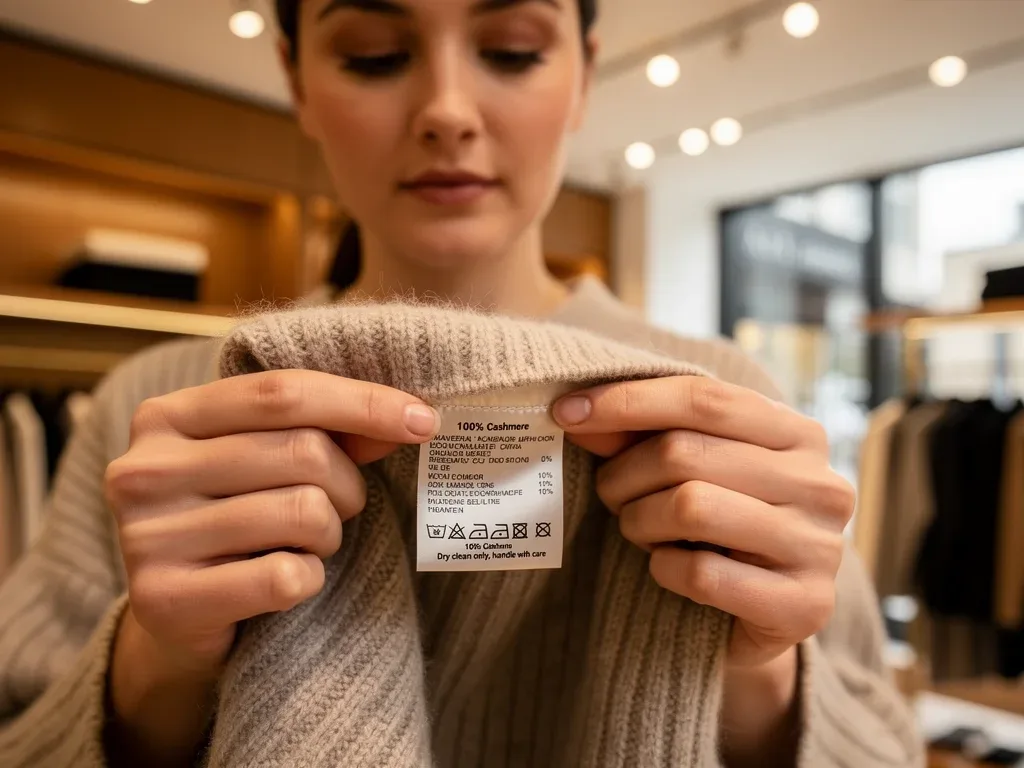
Cashmere comes from the fine undercoat of cashmere goats. Collecting, separating, and processing these fibers contributes to the cost of finished garments.
Fiber characteristics, yarn construction, and finishing techniques also influence the appearance and performance of a cashmere sweater.
Although cashmere has a reputation for luxury, quality varies between products. Understanding these differences helps consumers make informed purchasing decisions.
Setting Realistic Expectations for a $500 Budget
A $500 annual allowance provides flexibility for acquiring one higher-priced garment or several discounted and secondhand pieces.
The number of items purchased depends on actual prices, condition, and available sales. A thoughtful budget should also account for cleaning or minor repairs.
Building gradually allows buyers to develop their personal style while avoiding purchases made simply because an item appears heavily discounted.
Strategic Sourcing: Where to Find Value
Finding affordable cashmere begins with identifying stores and platforms that offer genuine value. New luxury retail is only one possible shopping channel.
Consignment shops, thrift stores, resale marketplaces, and clearance sales may provide opportunities to find garments at lower prices.
However, discounted prices should not replace quality checks. Condition, fiber composition, sizing, and return policies remain essential considerations.
Thrift Stores and Consignment Shops
Secondhand stores sometimes carry cashmere sweaters and accessories at prices below their original retail cost. Inventory varies, making patience important.
Inspect garments for moth damage, thinning fabric, stretched cuffs, stains, and excessive pilling. Pay particular attention to areas that experience friction.
Consider whether cleaning or repairs would increase the total cost. A slightly more expensive garment in excellent condition may offer better value.
Online Marketplaces and Resale Platforms
Platforms such as eBay, Poshmark, and Depop allow buyers to browse secondhand garments from different sellers and compare available options.
Search filters can help narrow listings by fiber content, condition, brand, size, and price. Always examine photographs and written descriptions carefully.
When important details are missing, request additional measurements or images. Review seller ratings and return conditions before completing a purchase.
How to Avoid Disappointing Secondhand Purchases
Start by checking the fiber label and comparing the listed measurements with clothes that already fit you comfortably.
Look closely at seams, necklines, underarms, and elbows. These areas may reveal wear that is not immediately apparent in promotional photographs.
Finally, account for shipping charges, taxes, and possible cleaning costs. The lowest advertised price does not always represent the most economical purchase.
Understanding Cashmere Quality and Composition
Cashmere quality depends on several factors, including fiber characteristics, yarn construction, finishing, and the overall quality of the garment.
Softness is important, but it does not tell the entire story. Some products feel exceptionally soft when new yet may require more attention to maintain their appearance.
Learning basic textile terminology can make it easier to compare garments and identify potentially misleading marketing claims.
Identifying Genuine High-Quality Cashmere
Begin by reading the composition label. A garment marked 100% cashmere should contain only cashmere fiber, subject to applicable labeling requirements.
Examine the consistency of the knit, stitching, seams, and finishing. Uneven construction or obvious defects may indicate potential quality concerns.
Touch and appearance provide useful clues but cannot independently verify fiber authenticity. Laboratory testing is required for definitive confirmation of composition.
Ply and Gauge: What They Mean for Your Collection
Ply describes how yarn strands are combined. Two-ply yarns are common in cashmere knitwear, but a higher ply count does not automatically mean better quality.
Gauge refers to knitting-machine needle density and influences the structure and appearance of knitted fabric. Higher-gauge garments often have a finer appearance.
Both characteristics affect texture, weight, and drape. However, durability also depends on fiber quality, knitting construction, and how the garment is used.
Understanding Cashmere Blends
Some sweaters combine cashmere with wool, silk, cotton, or synthetic fibers. These blends may offer different textures, prices, and performance characteristics.
A blended garment is not necessarily inferior, but buyers should understand what they are purchasing. The fiber percentages should be clearly identified.
In the United States, cashmere-containing wool products are subject to federal fiber-labeling requirements. Marketing descriptions should accurately reflect the garment's composition.
Recognizing Common Quality Problems
Inspect new and used garments for weak seams, uneven knitting, holes, and areas where fibers appear unusually thin.
Some pilling is normal with cashmere and other knitted materials. Nevertheless, heavy wear on a relatively new item may justify closer examination.
Consider the garment's construction and condition together. A reputable brand name alone cannot establish the quality of an individual piece.
Maximizing Your $500 Annual Budget
A high-end cashmere collection on a $500 annual budget requires clear spending priorities and a realistic understanding of available prices.
The most practical strategy is to identify missing wardrobe essentials before shopping. This helps prevent duplicate purchases and unnecessary expenses.
Saving part of the allowance for future opportunities also provides flexibility when a desirable garment becomes available at a reasonable price.
Prioritizing Versatile Core Pieces
A neutral crew-neck sweater is a useful starting point because it can complement jeans, tailored trousers, skirts, and other existing garments.
A cardigan or V-neck sweater may be another practical addition, especially when layering is important for your climate and lifestyle.
Choosing versatile designs supports a more cohesive wardrobe and can reduce the temptation to purchase pieces that are rarely worn.
Seasonal Sales and Off-Price Retailers
End-of-season sales and clearance events may provide opportunities to purchase cashmere at reduced prices, particularly when retailers are changing inventory.
Outlet stores and off-price retailers can also offer discounted garments, although stock, sizing, and available designs may be inconsistent.
Compare the final price against your planned budget rather than relying only on the advertised discount percentage. A sale is valuable only when the item meets your needs.
Example: A $500 Annual Cashmere Budget
One possible approach is to allocate $220 to a versatile sweater, $150 to a secondhand cardigan, and $80 to a scarf, leaving $50 for cleaning or repairs.
These amounts are illustrative spending limits, not verified market prices. Actual purchases may cost more or less depending on quality and availability.
The goal is to create a flexible framework. You can adjust the categories or carry unspent money forward instead of forcing purchases within the calendar year.
Tracking Cost Per Wear
Cost per wear is calculated by dividing the total amount spent on a garment by the number of times it is worn.
For example, a $200 sweater worn 50 times has a purchase cost of $4 per wear, excluding maintenance and other ownership expenses.
This measurement encourages shoppers to prioritize garments they expect to wear regularly. It also helps compare long-term usefulness with initial purchase prices.
Essential Cashmere Care and Maintenance
Proper maintenance can help extend the useful life of cashmere garments and reduce the need for frequent replacements.
Care requirements vary between products because of construction, dyes, embellishments, and fiber blends. Always check the garment's individual care label.
Gentle handling, suitable washing methods, and appropriate storage can support the appearance and shape of cashmere over time.
Washing and Drying Techniques
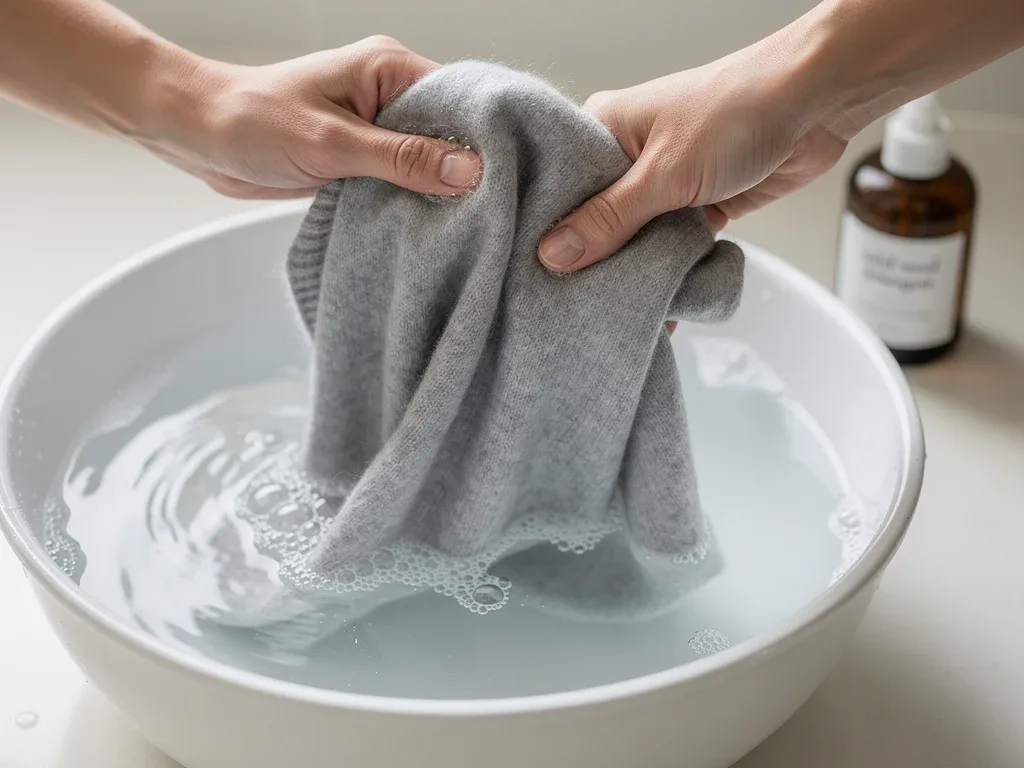
When the care label permits hand washing, use cool water and a detergent suitable for delicate wool garments. Handle the fabric gently without excessive rubbing.
Some cashmere items are suitable for approved machine-washing programs, while others require professional cleaning. Follow the garment's specific instructions.
After washing, remove excess moisture carefully and reshape the garment before drying it flat, away from direct sunlight and heat.
Storage and Pilling Prevention
Fold cashmere sweaters rather than leaving them hanging for extended periods. This can help prevent stretching, particularly in heavier knitwear.
Store clean garments in a dry environment and inspect them periodically for signs of moth activity. Protective storage containers may be useful for seasonal items.
For surface pills, use a suitable cashmere comb carefully according to its instructions. Avoid excessive pressure, which can damage the fabric.
How Often Should Cashmere Be Washed?
Cashmere does not necessarily require washing after every wear. Frequency depends on garment use, visible soiling, odors, and the manufacturer's recommendations.
Allowing garments to air between wears may help maintain freshness. However, cleaning is important before prolonged storage, particularly when food residue or perspiration is present.
Following appropriate care routines can reduce unnecessary washing while keeping garments comfortable and suitable for continued use.
Repairing Small Problems Before They Grow
Small holes, loose stitches, and damaged seams may sometimes be repaired by professionals experienced with fine knitwear.
Addressing damage promptly can prevent further deterioration, particularly when a garment is worn regularly or stored for long periods.
Before paying for repairs, compare the cost with the condition and expected future use of the garment. Not every restoration will be economical.
Building a Sustainable Cashmere Wardrobe
Purchasing fewer garments and extending their useful life can contribute to a more thoughtful approach to fashion consumption.
However, cashmere production has environmental and animal-welfare considerations that should not be ignored. The material is not automatically sustainable because it is natural.
Responsible purchasing involves evaluating garment longevity, sourcing information, and the practices of manufacturers and suppliers.
The Long-Term Value of Quality Cashmere
Well-made cashmere can remain useful for years with suitable care, making it possible to build a wardrobe gradually rather than replacing items frequently.
However, longevity varies depending on construction, wear frequency, maintenance, and storage conditions. No garment is guaranteed to last indefinitely.
Choosing pieces that genuinely fit your lifestyle can help reduce unnecessary purchasing. Explore additional ideas for developing a wardrobe focused on lasting pieces.
Ethical Sourcing and Brand Transparency
Cashmere production raises questions about grazing practices, land management, animal welfare, working conditions, and supply-chain traceability.
Brands may provide information about their suppliers, sourcing standards, or independent certifications. Review what these claims actually cover before relying on them.
Greater transparency can help consumers make more informed choices. For additional context, consider broader approaches to a wardrobe that balances environmental considerations with personal needs.
Is Secondhand Cashmere More Sustainable?
Buying pre-owned clothing can extend the useful life of garments already in circulation and may reduce demand for additional production.
However, the overall environmental outcome depends on factors such as shipping, cleaning, packaging, and whether the purchase replaces a new item.
Secondhand shopping can be a valuable part of a thoughtful wardrobe strategy, particularly when purchases are intentional and garments remain in regular use.
Navigating Trends vs. Timelessness
Fashion trends change frequently, but the needs of an everyday wardrobe tend to evolve more gradually. This distinction matters when shopping on a limited budget.
Cashmere garments with versatile cuts and familiar colors may be easier to combine with existing clothing across multiple seasons.
Nevertheless, timeless style is personal. The best purchase is one that suits your preferences and remains useful rather than following a universal formula.
Investing in Classic Silhouettes
Crew-neck sweaters, V-neck designs, cardigans, and scarves are common cashmere pieces that can complement different outfits.
Neutral colors such as navy, gray, black, or camel can be practical starting points, depending on the rest of your wardrobe.
Fit and comfort deserve equal attention. A well-fitting garment that suits your daily routine may provide more value than a fashionable item worn infrequently.
Adding Personality With Accessories
Accessories can help vary the appearance of classic cashmere outfits without requiring frequent purchases of additional expensive garments.
Scarves, jewelry, belts, and bags can introduce different colors and textures while allowing existing sweaters and cardigans to remain central pieces.
Experimenting with accessories can support personal expression without undermining the long-term value of a carefully planned wardrobe.
Creating a Three-Year Collection Plan
During the first year, focus on acquiring one or two versatile garments that fit comfortably and work with clothing you already own.
In the second year, consider adding a different silhouette or an accessory that expands your outfit combinations without duplicating existing items.
By the third year, review the garments you wear most often before deciding what to purchase next. This approach supports gradual collection building within a consistent annual budget.
High-End Cashmere Collection: Key Takeaways
Building a high-end cashmere collection on a $500 annual budget is most realistic when purchases are deliberate and focused on quality, condition, and versatility.
Secondhand shopping, seasonal discounts, and proper garment care may help stretch available funds. However, individual prices and product quality can vary considerably.
The following table summarizes the main considerations for making thoughtful cashmere purchases and maintaining a practical long-term wardrobe.
Key Point | Brief Description |
|---|---|
Strategic Sourcing | Compare thrift stores, consignment shops, and resale platforms while checking condition and total purchase costs. |
Quality Identification | Review fiber labels, garment construction, fit, and signs of wear rather than relying solely on softness or brand reputation. |
Budget Maximization | Prioritize versatile pieces, consider seasonal discounts, and reserve part of the $500 annual allowance for care or repairs. |
Proper Care | Follow garment care labels, use suitable washing methods, dry knitwear flat when appropriate, and store cashmere carefully. |
Frequently Asked Questions About Building a Cashmere Collection
Is it truly possible to build a high-end cashmere collection on a $500 annual budget?
Yes, building a collection gradually may be achievable through thoughtful purchasing, secondhand shopping, and seasonal discounts. However, the number and quality of pieces you can buy depend on actual prices and availability. A $500 annual budget does not guarantee access to every luxury brand.
What are the key indicators of high-quality cashmere?
Check the fiber composition label, knitting consistency, seams, finishing, and overall condition. Softness and fabric density may offer useful clues, but they do not guarantee authenticity or durability. Ply and gauge provide additional information about construction rather than definitive measures of quality.
How can I make my cashmere pieces last longer?
Follow the garment's care label, avoid unnecessary friction, and store knitwear folded. When washing is permitted, use an appropriate gentle method and dry the garment flat. Remove pilling carefully and address small holes or damaged seams before they worsen.
Which types of cashmere items offer the most versatility for a limited budget?
Neutral crew-neck sweaters, V-neck styles, and simple cardigans are often practical choices because they combine with many existing outfits. A scarf may also be useful, especially in colder climates. The best selection depends on your lifestyle, wardrobe, and personal preferences.
Are there ethical considerations when purchasing cashmere?
Yes. Cashmere sourcing raises questions about animal welfare, land management, environmental impacts, and labor conditions. Look for transparent sourcing information and meaningful independent standards where available. Purchasing fewer garments and extending their useful life can also support more responsible consumption.
Perspectives: Building a Cashmere Collection That Lasts
Creating a high-end cashmere collection on a realistic $500 annual budget requires patience, thoughtful shopping, and consistent garment care.
By prioritizing versatile pieces and evaluating quality carefully, buyers can gradually create a wardrobe that reflects personal style without depending on frequent luxury purchases.
The most practical strategy is to buy only what fits your needs, maintain garments properly, and reserve money for future opportunities. A smaller collection of regularly worn pieces can offer lasting value.