Classic Layering: 5 Essential Rules for Effortless 2026 Style
Advertisements
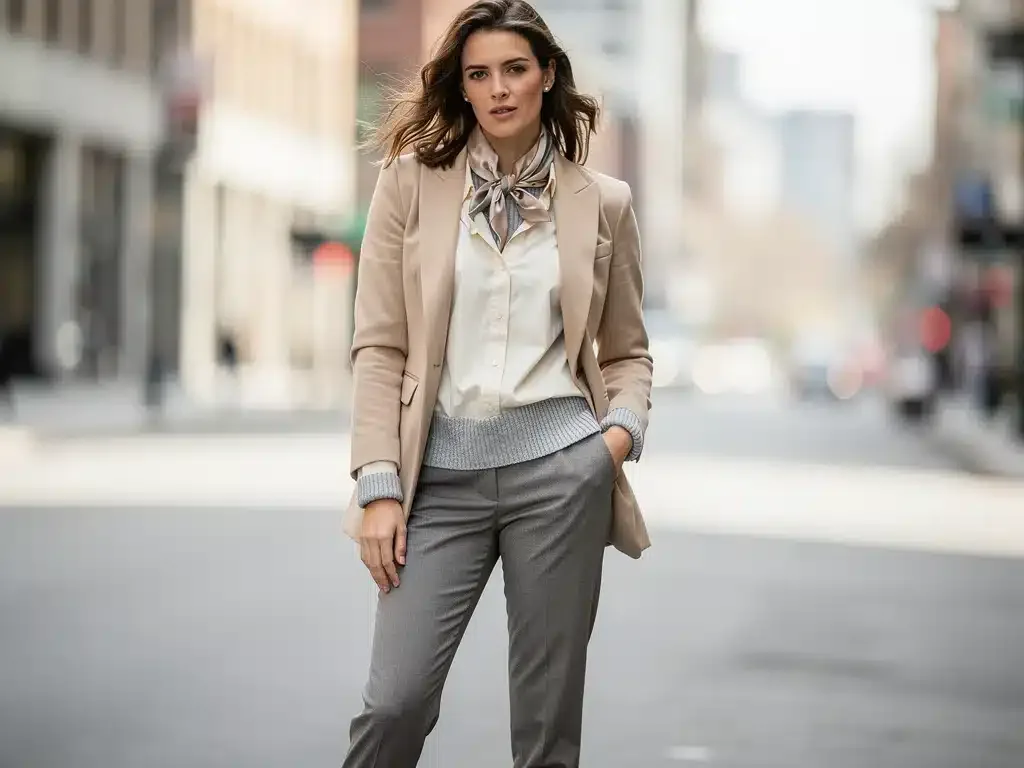
Classic Layering: 5 Essential Rules for Effortless 2026 Style
Mastering classic layering is key to achieving effortless style in any 2026 season, transforming your wardrobe with versatility and sophistication.
Are you ready to transform your wardrobe and embrace a timeless approach to dressing? The Art of Classic Layering: 5 Essential Rules for Effortless Style in Any 2026 Season is not just a fashion trend; it’s a fundamental skill that empowers you to adapt to any climate, occasion, and personal mood with grace and confidence.
Understanding the Foundation of Classic Layering
Classic layering is more than just piling on clothes; it’s a thoughtful process of combining garments to create a cohesive, functional, and aesthetically pleasing ensemble. This approach emphasizes versatility, allowing you to seamlessly transition from indoor to outdoor, warm to cool, and casual to formal settings. It’s about building an outfit with purpose, where each piece contributes to the overall look and offers practical benefits, whether it’s added warmth, texture, or a pop of color. The true beauty of classic layering lies in its ability to extend the wearability of your existing wardrobe, encouraging mindful consumption and sustainable fashion practices.
The philosophy of versatility
At its core, classic layering champions versatility. Imagine a single item, like a crisp white shirt, being transformed from a standalone piece in warm weather to a foundational layer under a sweater, or even an open overshirt in a casual setting. This adaptability is crucial for navigating modern life, where schedules can be unpredictable and environments change rapidly. By focusing on versatile pieces, you invest in a wardrobe that works harder for you, reducing the need for constant new purchases and fostering a more sustainable personal style. It’s about maximizing the potential of each garment you own.
- Base layers: Think lightweight, breathable fabrics like cotton, silk, or merino wool that sit closest to the skin.
- Mid-layers: These provide insulation and visual interest, including sweaters, cardigans, or vests.
- Outer layers: The final touch, offering protection from the elements and defining your silhouette, such as coats, blazers, or jackets.
Embracing the philosophy of versatility means selecting pieces that can be mixed and matched in numerous ways, ensuring that your wardrobe remains fresh and functional regardless of the season or occasion. This intelligent approach to dressing empowers you to create diverse outfits from a curated selection of high-quality, timeless items, truly mastering the art of classic layering.
Rule 1: Start with a Solid Foundation – The Base Layer
The first and arguably most crucial rule of classic layering involves selecting the right base layer. This is the garment that sits directly against your skin, and its importance cannot be overstated. A good base layer should be comfortable, breathable, and made from a fabric that can regulate temperature effectively. It sets the tone for your entire outfit, both in terms of comfort and overall aesthetic. Choosing the wrong base can lead to discomfort, bulkiness, or an outfit that simply doesn’t feel right.
Fabric choices for optimal comfort
When it comes to base layers, fabric is king. Natural fibers like cotton, silk, and merino wool are excellent choices due to their breathability and moisture-wicking properties. Cotton is a classic for a reason: it’s soft, durable, and widely available. Silk offers luxurious comfort and excellent temperature regulation, making it ideal for both warm and cool conditions. Merino wool, though often associated with winter, is surprisingly effective year-round, providing warmth without bulk and naturally resisting odors. Synthetic blends can also be effective, especially those designed for active wear, offering quick-drying properties.
Beyond comfort, the fit of your base layer is paramount. It should be snug but not restrictive, allowing for easy movement and a smooth silhouette under subsequent layers. A well-fitting base layer prevents bunching and ensures that your overall look remains streamlined and polished. Consider the neckline as well; a crew neck, V-neck, or scoop neck can dramatically change the feel of an outfit, especially when peeking out from under a mid-layer. The goal is to create a seamless transition from one garment to the next, starting with this essential first step.
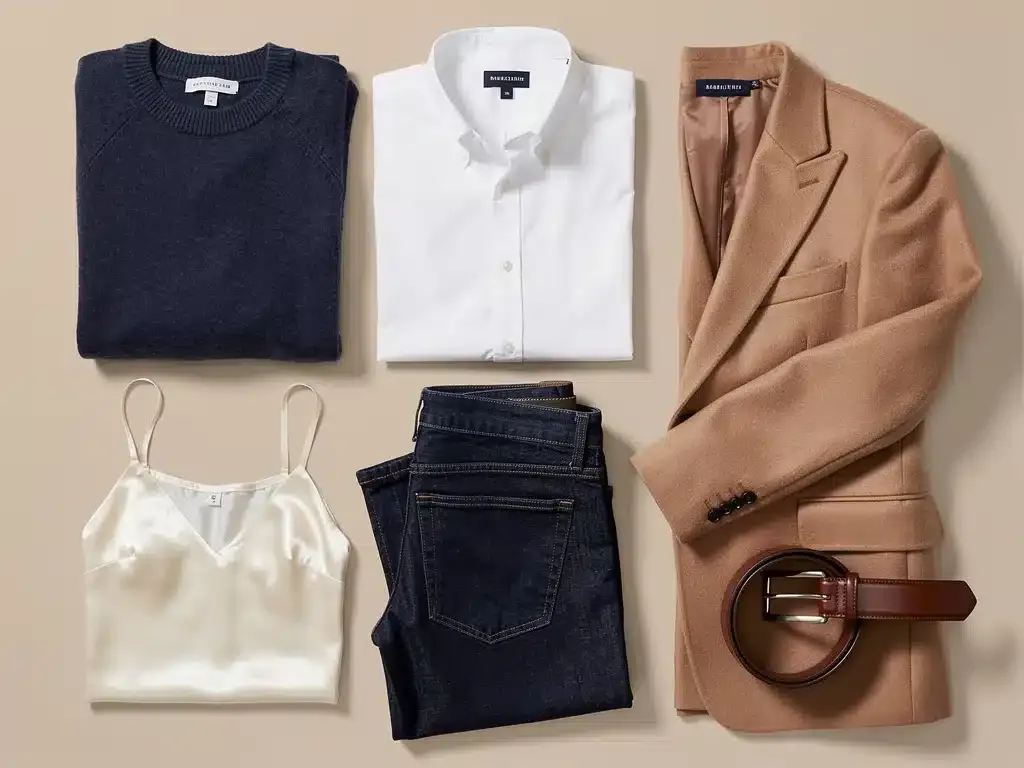
Rule 2: Integrate Mid-Layers for Warmth and Texture
Once your base layer is in place, the mid-layer comes into play, serving a dual purpose: providing essential warmth and adding crucial texture and visual interest to your ensemble. This layer is where you can truly experiment with different fabrics, patterns, and silhouettes, transforming a simple outfit into a dynamic and stylish statement. The key is to choose pieces that complement your base layer without overwhelming it, ensuring a harmonious balance.
Choosing the right mid-layer
Mid-layers encompass a wide range of garments, from fine-gauge knit sweaters to chunky cardigans, vests, and even lightweight jackets worn indoors. When making your selection, think about the level of warmth you need and the aesthetic you want to achieve. A cashmere or merino wool sweater offers luxurious warmth and a refined look, while a cotton cardigan provides a more casual, relaxed vibe. Consider the texture; a ribbed knit can add visual depth, contrasting beautifully with a smooth base layer. The color and pattern of your mid-layer can also elevate your outfit, offering an opportunity to introduce a subtle print or a contrasting hue that breaks up monochrome elements.
The fit of your mid-layer is also important. It should be comfortable over your base layer but not so loose that it creates excess bulk under your outer layer. Aim for a fit that allows freedom of movement while maintaining a clean line. For instance, a tailored vest can add a sophisticated touch and an extra layer of warmth without the bulk of sleeves. Remember, the goal is to build an outfit that feels as good as it looks, offering both comfort and impeccable style. This thoughtful integration of mid-layers is fundamental to mastering classic layering techniques.
Rule 3: Select Outerwear for Protection and Polish
The outer layer is the finishing touch of your layered ensemble, serving as both a shield against the elements and a powerful statement of style. It’s the first thing people see, so choosing the right outerwear is essential for creating a polished and cohesive look. This layer should not only provide protection from wind, rain, or cold but also complement the underlying garments, pulling the entire outfit together with sophistication.
Timeless outerwear choices
For classic layering, certain outerwear pieces stand the test of time. A well-tailored blazer, for instance, adds immediate structure and professionalism, perfect for transitioning from office to evening. Trench coats are iconic for their versatility and ability to elevate any outfit, offering excellent protection from inclement weather without sacrificing style. Wool coats, whether single or double-breasted, provide superior warmth and a luxurious feel, ideal for colder seasons. For a more casual yet refined look, a classic denim jacket or a field jacket can offer a rugged elegance that pairs well with many mid and base layers.
- Blazers: Instantly add structure and sophistication to any look. Opt for wool or linen blends.
- Trench coats: A timeless classic, offering elegance and protection from rain.
- Wool coats: Essential for warmth and a polished aesthetic in colder climates.
- Leather jackets: Introduce an edgy, classic element that can be dressed up or down.
When selecting outerwear, consider the material, cut, and color. Neutral colors like black, navy, camel, and grey offer maximum versatility, easily coordinating with a wide range of base and mid-layers. The fit should allow for comfortable movement over your other layers without appearing overly bulky. The outer layer is your opportunity to make a lasting impression, showcasing your attention to detail and understanding of refined style.
Rule 4: Master the Art of Proportions and Silhouette
Beyond simply adding layers, understanding and manipulating proportions and silhouettes is a cornerstone of classic layering. It’s not just about what you wear, but how you wear it. A well-executed layered outfit creates a visually appealing shape, balancing different lengths, volumes, and fits to enhance your natural figure and achieve a harmonious aesthetic. Ignoring proportions can lead to a bulky or shapeless look, undermining the elegance classic layering aims to achieve.
Playing with lengths and volumes
One effective technique is to vary the lengths of your layers. For example, a shorter cardigan over a longer shirt, or a long coat over a shorter blazer, creates dynamic lines and prevents a uniform, blocky appearance. This variation draws the eye and adds interest to your outfit. Similarly, experimenting with volume is key. Pairing a fitted base layer with a slightly looser mid-layer, and then a structured outer layer, can create a flattering silhouette that avoids overwhelming your frame. Think about contrasting textures and weights to further define these proportions; a delicate silk camisole under a chunky knit sweater, for instance, highlights both pieces effectively.
Another aspect is the concept of visual weight. Heavy fabrics like wool or tweed naturally carry more visual weight than lighter materials like cotton or linen. By strategically placing these heavier elements, you can create focal points and balance the overall appearance. For instance, a heavy wool coat can be balanced by lighter, more fluid layers underneath. The goal is to create a sense of effortless flow, where each layer complements the next without competing. Mastering proportions and silhouette ensures that your layered outfits are not only functional but also incredibly stylish and flattering, solidifying your command of classic layering.

Rule 5: Embrace Color, Texture, and Pattern with Intention
The final rule in the art of classic layering involves the thoughtful integration of color, texture, and pattern. While a monochromatic or neutral palette can be incredibly chic, introducing these elements with intention can elevate your layered looks from simple to sophisticated. This is where your personal style truly shines, allowing you to express creativity while maintaining a timeless appeal. It’s about creating depth and visual interest without overwhelming the eye.
Strategic use of visual elements
When it comes to color, consider a cohesive palette. Start with a base of neutral tones and then introduce one or two accent colors through your mid-layers or accessories. For example, a pop of jewel-toned silk scarf or a richly colored cashmere sweater can add vibrancy to an otherwise subdued outfit. Texture plays an equally vital role; think about the contrast between a smooth silk shirt, a chunky knit sweater, and a tailored wool blazer. These varying textures create tactile and visual depth, making the outfit more engaging. A soft, flowing fabric next to a structured one creates an interesting dynamic that is both pleasing to the eye and rich in feel.
- Color cohesion: Stick to a primary color palette and introduce one or two complementary or contrasting shades.
- Textural contrast: Pair smooth fabrics with rougher ones, or soft knits with crisp shirting for depth.
- Subtle patterns: Incorporate checks, stripes, or subtle prints that don’t compete with each other.
- Accessory accents: Use scarves, belts, or subtle jewelry to tie colors and textures together.
Patterns, when used judiciously, can add a sophisticated edge. A subtle stripe on a shirt, a classic plaid on a blazer, or a delicate floral on a scarf can introduce personality without clashing. The trick is to ensure that patterns are either complementary in scale and color or that only one dominant pattern is used, with other layers remaining solid. By embracing color, texture, and pattern with intention, you transform layering from a practical necessity into a true art form, creating outfits that are effortlessly stylish and uniquely yours.
Practical Applications for Any 2026 Season
The beauty of classic layering isn’t confined to a single season; its principles are adaptable and highly effective year-round. In 2026, as fashion continues to prioritize versatility and sustainability, mastering these techniques will be more relevant than ever. From crisp spring mornings to chilly winter evenings, classic layering ensures you’re always prepared and impeccably dressed, regardless of the weather’s whims.
Seasonal adaptations and smart choices
For spring and fall, transitional layering is key. Think lightweight trench coats, denim jackets, and fine-gauge knit cardigans over breathable base layers like cotton shirts or silk camisoles. These seasons are perfect for experimenting with mid-layers that can be easily added or removed as temperatures fluctuate throughout the day. In summer, while heavy layering might seem counterintuitive, light layering can still be incredibly effective. Consider an open linen shirt over a tank top, or a lightweight blazer thrown over a simple dress for air-conditioned environments or cooler evenings. Fabrics like linen, lightweight cotton, and open-weave knits are your allies here, offering breathability and comfort.
Winter, of course, is the quintessential season for layering, allowing you to fully embrace warmth and texture. Start with thermal base layers, add insulating mid-layers like cashmere or merino wool sweaters, and finish with a substantial outer layer such as a wool coat or a puffer jacket. Don’t forget accessories like scarves, gloves, and hats, which are not only practical but also add significant stylistic flair. By consciously applying the five essential rules, you can create outfits that are not only comfortable and appropriate for the season but also reflect a sophisticated understanding of timeless style. This adaptability makes classic layering an indispensable tool in any modern wardrobe, ensuring you’re always prepared for whatever 2026 throws your way.
| Key Rule | Brief Description |
|---|---|
| Solid Base Layer | Choose comfortable, breathable fabrics for direct skin contact. |
| Mid-Layer Integration | Add warmth and texture with sweaters, cardigans, or vests. |
| Outerwear Selection | Provide protection and polish with blazers, coats, or jackets. |
| Proportions & Silhouette | Balance lengths and volumes for a flattering, cohesive look. |
Frequently Asked Questions About Classic Layering
What are the best fabrics for base layers in classic layering?▼For classic layering, the best base layer fabrics are natural and breathable. Cotton, silk, and merino wool are excellent choices. Cotton is soft and durable, silk offers luxurious comfort and temperature regulation, while merino wool provides warmth without bulk and resists odors naturally.
How can I avoid looking bulky when layering?▼To avoid bulk, focus on varying fabric weights and fits. Start with a thin, fitted base layer. Choose mid-layers that are slightly looser but still tailored. Finally, select outerwear that allows comfortable movement without adding excessive volume. Varying lengths also creates a more streamlined silhouette.
Can classic layering be adapted for warmer climates?▼Absolutely. For warmer climates, focus on lightweight, breathable fabrics like linen, lightweight cotton, and open-weave knits. Instead of heavy sweaters, consider an open linen shirt over a tank top or a light blazer over a simple dress for air-conditioned spaces or cooler evenings.
What role do accessories play in classic layered outfits?▼Accessories are crucial in classic layering. Scarves, belts, and subtle jewelry can tie colors and textures together, add a pop of color, or introduce a different texture. They act as finishing touches that complete the outfit and enhance its overall cohesiveness and sophistication.
How do I incorporate patterns into classic layered looks without clashing?▼Incorporate patterns subtly by choosing complementary scales and colors. Often, it’s best to have one dominant pattern, with other layers remaining solid or featuring very subtle textures. Classic patterns like stripes or plaids work well, especially when paired with neutral tones to prevent visual overload.
if (answer.style.display === 'block') { answer.style.display = 'none'; arrow.classList.remove('active'); } else { answer.style.display = 'block'; arrow.classList.add('active'); } }); }); });
Embracing Timeless Style Through Thoughtful Layering
Mastering the art of classic layering is an investment in both your wardrobe and your personal style. By understanding the five essential rules—starting with a solid base, integrating purposeful mid-layers, selecting appropriate outerwear, balancing proportions, and intentionally using color, texture, and pattern—you unlock a world of sartorial possibilities. This approach allows for unparalleled versatility, enabling you to create sophisticated, comfortable, and season-appropriate outfits with ease. As we move into 2026, the principles of classic layering will remain a cornerstone of effortless elegance, offering a sustainable and adaptable way to express your unique fashion sensibility. Embrace these rules, and transform the way you dress for any occasion, all year round.