Fix Olfactory Fatigue: 24-Hour Reset for Perfume Collectors
Advertisements
Learning how to fix olfactory fatigue involves reducing fragrance exposure, taking regular sensory breaks, and developing mindful perfume testing habits that may help restore normal scent perception.
Understanding how to fix olfactory fatigue can help perfume collectors appreciate individual fragrance notes without becoming overwhelmed by repeated exposure to strong aromas.
Temporary scent desensitization is a natural sensory response that can affect anyone who regularly wears, collects, or evaluates different perfumes.
This guide presents a practical 24-hour fragrance break, explains common misconceptions, and introduces sustainable habits for enjoying your perfume collection.
Understanding Olfactory Fatigue: The Science Behind Scent Desensitization
Olfactory fatigue describes a temporary reduction in sensitivity to odors following repeated or continuous exposure to particular fragrances and other aromatic substances.
This phenomenon involves adaptation within the olfactory system and changes in how the brain processes familiar or continuously present sensory information.
Understanding how to fix olfactory fatigue begins with recognizing that reduced fragrance perception does not necessarily indicate permanent damage to your nose.
Why Your Nose Stops Detecting Familiar Perfumes
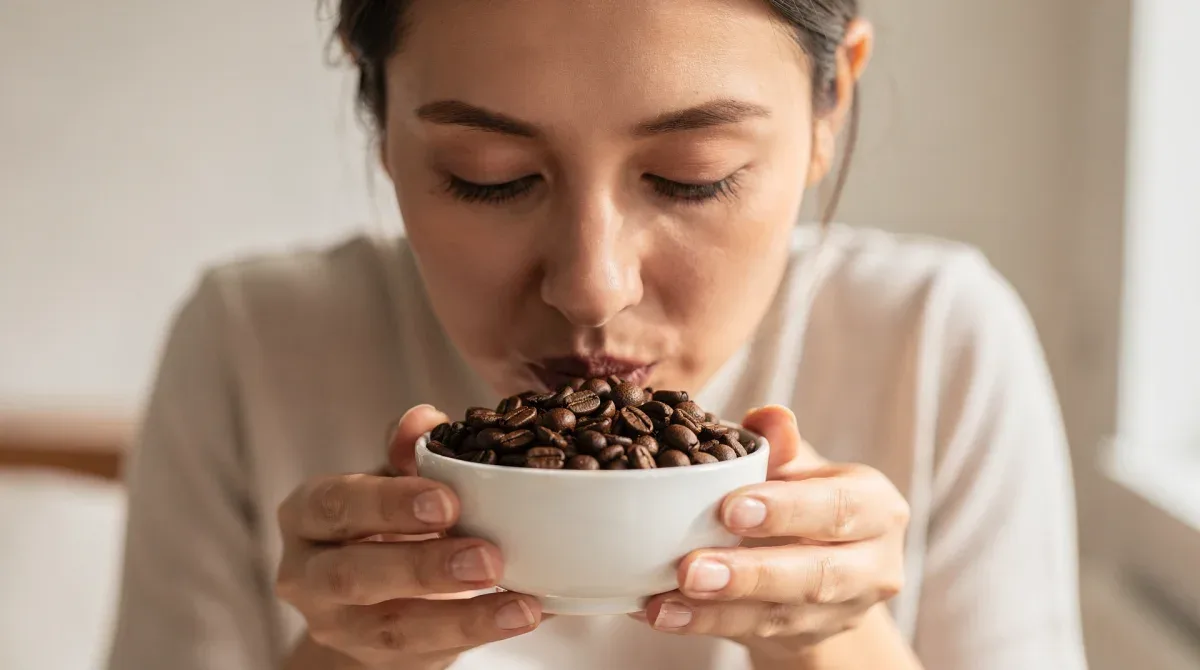
When a fragrance remains present for an extended period, your perception of its intensity may gradually decrease even though the scent remains detectable.
This explains why individuals sometimes stop noticing their own perfume while other people entering the same environment can still detect its aroma.
Applying additional perfume without considering sensory adaptation may create an excessively strong fragrance experience for other people sharing the same space.
Olfactory Adaptation Versus Sensory Habituation
Olfactory adaptation involves changes in sensitivity within the sensory system, while habituation describes reduced responses to repeated or familiar sensory stimulation.
Both processes can contribute to the experience commonly called nose blindness, particularly when individuals remain surrounded by similar fragrances throughout the day.
Learning how to fix olfactory fatigue requires understanding these natural responses rather than assuming that fragrance molecules permanently saturate or damage receptors.
Common Signs of Olfactory Fatigue
Perfume enthusiasts may notice that fragrances become difficult to distinguish after repeatedly sampling different compositions within a relatively short period of time.
Individual fragrance notes may also appear less noticeable, making it harder to identify subtle differences between perfumes with similar aromatic characteristics.
When these experiences develop during sampling sessions, temporarily stepping away from fragrance exposure may provide a more useful approach than continued testing.
The Practical 24-Hour Olfactory Reset Routine
A fragrance-free day provides a practical opportunity to reduce unnecessary scent exposure and reconsider habits that may contribute to temporary olfactory fatigue.
For dedicated perfume collectors, scheduling occasional breaks can make fragrance evaluation more manageable without requiring permanent changes to their existing collections.
This approach explains how to fix olfactory fatigue through sensory rest, although no universal 24-hour recovery period has been clinically established.
Morning Phase: Reducing Fragrance Exposure
Begin your morning without applying perfume, scented body sprays, heavily fragranced lotions, or other optional products that introduce strong aromas.
Choose fragrance-free personal care products when practical and avoid unnecessary exposure to scented candles, air fresheners, or intensely perfumed household products.
The objective is to reduce additional fragrance stimulation rather than attempting to completely eliminate every naturally occurring smell from your surroundings.
Creating a Comfortable Morning Environment
Ventilate indoor spaces when outdoor air quality permits, allowing accumulated fragrance odors to gradually disperse without introducing additional scented products.
Continue your usual breakfast and hydration habits because there is no established requirement to avoid coffee, spices, or other aromatic foods.
Understanding how to fix olfactory fatigue involves making practical adjustments rather than following unnecessarily restrictive dietary or personal care routines.
Afternoon Phase: Sensory Rest and Gentle Activities
During the afternoon, continue avoiding deliberate perfume sampling and unnecessary exposure to concentrated fragrances that could contribute to further sensory adaptation.
Reading, walking, working, and other ordinary activities can provide opportunities to spend time away from fragrance bottles and strongly scented environments.
Normal breathing remains appropriate throughout this period, without deliberately breathing through your mouth or attempting specialized breathing exercises for olfactory recovery.
Taking Breaks in Relatively Neutral Environments
A relatively neutral environment is a space without prominent artificial fragrances, strong cleaning odors, or other intense smells that demand constant sensory attention.
Spending time in such surroundings may help reduce continuous fragrance exposure while allowing temporary adaptation to resolve naturally at an individual pace.
This simple practice is central to understanding how to fix olfactory fatigue without depending on additional strong aromas or unnecessary products.
Evening Phase: Reassessment and Preparation
As evening approaches, consider whether your ability to notice familiar everyday smells has changed since beginning the fragrance break earlier that day.
There is no requirement to deliberately stimulate the nose with essential oils, coffee beans, or other concentrated aromatic substances during this period.
Continue reducing unnecessary fragrance exposure if perfume sampling still feels overwhelming, rather than repeatedly testing whether your original sensitivity has returned.
Bedtime Ritual: A Fragrance-Free Sleeping Environment
Avoid optional scented room sprays, heavily fragranced bedding products, and aromatic sleep accessories when preparing your bedroom for the evening.
A comfortable sleeping environment can provide additional time away from deliberate fragrance exposure without requiring complete elimination of ordinary household odors.
When exploring how to fix olfactory fatigue, remember that overnight rest is a practical habit rather than a guaranteed biological reset mechanism.
Returning to Perfume Sampling the Following Day
After completing the fragrance break, consider testing one familiar perfume using a blotter strip or a normal application according to its instructions.
Observe whether its opening notes and overall composition appear clearer without repeatedly sniffing the fragrance or immediately introducing several additional samples.
If significant changes in your sense of smell persist beyond ordinary fragrance exposure, consider obtaining appropriate medical advice instead of continuing repeated tests.
Long-Term Strategies for Preventing Olfactory Fatigue
Developing sustainable fragrance habits may help perfume enthusiasts manage temporary desensitization while maintaining an enjoyable relationship with their collections over time.
Learning how to fix olfactory fatigue also involves recognizing situations where excessive sampling or repeated application can interfere with meaningful fragrance evaluation.
Regular breaks, manageable testing sessions, and moderate application provide practical starting points for reducing unnecessary exposure to concentrated aromatic products.
Mindful Scent Application and Testing
Apply small amounts of perfume according to product directions, avoiding repeated applications intended solely to compensate for declining perception of a familiar scent.
When evaluating several fragrances, use separate blotter strips to reduce unwanted mixing between compositions and maintain more organized sampling sessions.
Allow adequate time between samples, especially when testing intense fragrances containing similar aromatic characteristics or particularly noticeable base notes.
Limiting the Number of Fragrances Per Session
Testing three or four perfumes during one session can provide a practical starting limit for collectors who frequently experience temporary scent desensitization.
However, this number is not a medically established threshold, and individual tolerance may depend on fragrance concentration, exposure duration, and personal sensitivity.
Adjusting the size of each sampling session is another useful approach when learning how to fix olfactory fatigue during regular perfume exploration.
Regular Olfactory Breaks and Environmental Awareness
Take occasional breaks from fragrance testing, particularly when working in perfume stores, reviewing multiple products, or spending time around strongly scented environments.
Reducing unnecessary exposure to heavily fragranced household products may help prevent different odors from interfering with your evaluation of individual perfume compositions.
Consider occasional fragrance-free periods whenever sampling becomes difficult, rather than maintaining a rigid schedule that may not suit your individual circumstances.
Avoiding Excessive Perfume Application
Temporary adaptation can make a fragrance appear weaker to its wearer even when people nearby continue to notice its original intensity.
Applying additional sprays throughout the day may therefore produce a stronger aroma than intended without improving the wearer's ability to perceive it.
Understanding how to fix olfactory fatigue can help collectors recognize when reduced scent perception reflects adaptation rather than inadequate perfume performance.
Hydration and Nasal Health: Supporting Your Sense of Smell
General nasal health can influence comfort and odor perception, particularly when individuals experience congestion, dryness, irritation, allergies, or respiratory infections.
Maintaining ordinary hydration and addressing environmental discomfort may support general well-being, although these measures are not established treatments for temporary olfactory adaptation.
Persistent changes in smell require consideration of possible underlying causes rather than assuming that every difficulty results from excessive perfume exposure.
The Role of Indoor Humidity
Indoor air that feels excessively dry may contribute to nasal discomfort, particularly during colder months or when heating systems operate continuously.
A properly maintained humidifier may improve comfort in dry environments, provided indoor humidity remains appropriate and the equipment is cleaned regularly.
Humidification should not be presented as a proven method for restoring fragrance sensitivity or accelerating recovery from ordinary olfactory fatigue.
Dietary Considerations and Supplements
A balanced diet supports general health by providing nutrients involved in normal bodily functions, including those associated with sensory and nervous systems.
However, taking additional zinc or vitamin A without an identified medical need has not been established as a reliable perfume-related fatigue treatment.
Consult a healthcare professional before using supplements for smell-related concerns, and avoid intranasal zinc products because they can harm the sense of smell.
The Role of Neutral Scents and Coffee Beans
Coffee beans are commonly displayed in perfume stores as a traditional sampling accessory intended to provide a contrast between different fragrance compositions.
However, their popularity does not establish that coffee aromas restore olfactory sensitivity more effectively than taking breaks away from fragrance exposure.
When researching how to fix olfactory fatigue, distinguishing established scientific findings from widely repeated perfume industry traditions remains particularly important.
What Scientific Research Says About Coffee Beans
An exploratory study indexed in PubMed compared coffee beans, lemon scents, and plain air as potential tools for improving odor identification between perfume samples.
The researchers did not establish a statistically significant advantage for coffee beans over the alternative approaches examined during the fragrance evaluation experiment.
These findings suggest that coffee beans should not be treated as a scientifically proven requirement for restoring normal perception between perfume samples.
Does Fresh Air Work Better Than Coffee Beans?
Taking a break in an environment without prominent fragrances avoids introducing another strong aroma while allowing time away from the original scent.
Fresh air is therefore a straightforward option when conditions permit, although recovery duration still varies according to the circumstances of individual exposure.
This practical approach supports learning how to fix olfactory fatigue without relying on an additional fragrance marketed as a sensory reset tool.
Can Smelling Your Own Skin Reset Your Nose?
Some perfume enthusiasts smell an unscented area of their skin between fragrance samples because it provides a familiar and relatively subtle aroma.
However, skin odor varies according to personal care products, environmental exposure, and individual characteristics, meaning it is not necessarily a neutral reference.
There is insufficient evidence to conclude that smelling your skin actively restores olfactory receptor sensitivity more effectively than simply resting between samples.
Advanced Techniques and Professional Insights
Dedicated perfume enthusiasts can develop more organized sampling techniques by learning about fragrance families, recording observations, and comparing compositions under consistent conditions.
These practices may improve familiarity with individual aromas without necessarily changing the biological processes responsible for temporary olfactory adaptation during prolonged exposure.
Understanding how to fix olfactory fatigue remains valuable when developing advanced fragrance evaluation skills that prioritize manageable exposure and meaningful comparisons.
Olfactory Training and Scent Libraries
Personal scent libraries can help collectors become familiar with recognizable aromatic characteristics associated with floral, woody, citrus, aromatic, and other fragrance families.
Using appropriately formulated fragrance samples allows enthusiasts to develop their descriptive vocabulary without requiring direct exposure to concentrated essential oils or aroma chemicals.
Structured learning should remain distinct from clinical smell training, which may be recommended by healthcare professionals for particular types of olfactory disorders.
Understanding Different Fragrance Families
Perfumes are commonly grouped into fragrance families according to their aromatic characteristics, allowing collectors to identify similarities and differences between individual compositions.
Comparing different fragrance families across separate sampling sessions may help enthusiasts recognize distinctive characteristics without introducing too many aromas at once.
These organized evaluation habits complement practical knowledge of how to fix olfactory fatigue while supporting a more enjoyable approach to perfume collecting.
Using a Fragrance Journal
A fragrance journal allows collectors to record impressions, perceived intensity, development stages, application methods, and personal preferences associated with different perfume compositions.
Documenting these observations reduces reliance on repeated smelling when comparing fragrances that were previously tested under different conditions or during separate sessions.
Over time, written records can help identify preferred fragrance families and situations in which temporary desensitization frequently interferes with perfume evaluation.
How Perfume Concentration Influences Scent Perception
Perfume concentrations can influence fragrance intensity and development, although perceived strength also depends on ingredients, formulation, application amount, and individual sensory responses.
Collectors should avoid assuming that every highly concentrated perfume produces stronger projection or remains detectable for longer than less concentrated alternatives.
Understanding these distinctions helps explain how to fix olfactory fatigue while avoiding unnecessary reapplication of fragrances that remain noticeable to other people.
Understanding Eau de Toilette and Eau de Parfum
Eau de toilette and eau de parfum commonly describe different fragrance concentration categories, although actual formulations and performance characteristics vary between manufacturers.
A perfume's concentration does not independently determine how quickly an individual becomes accustomed to its scent during normal daily use.
Evaluating fragrance performance requires considering application conditions, composition, environmental factors, and feedback rather than relying exclusively on the wearer's immediate scent perception.
Why Some Fragrance Notes Become Difficult to Detect
Individuals can differ in their sensitivity to particular aromatic compounds, meaning certain perfume notes may appear less noticeable to some collectors.
Repeated exposure can further influence perception, making it difficult to distinguish ordinary adaptation from individual differences in sensitivity to specific ingredients.
When learning how to fix olfactory fatigue, remember that temporary rest may help adaptation without necessarily changing your natural sensitivity to particular aromas.
Creating a Better Perfume Testing Environment
A suitable perfume testing environment should minimize competing fragrances and provide sufficient space to organize samples without unnecessary exposure to concentrated aromatic products.
Testing conditions can influence how collectors perceive individual compositions, particularly when several perfumes are applied or sprayed within the same enclosed area.
Establishing consistent sampling conditions can help enthusiasts make more meaningful comparisons while reducing confusion between different fragrance notes and personal preferences.
Using Blotter Strips Effectively
Blotter strips allow collectors to compare fragrances without applying every perfume directly to their skin during a single sampling session.
Label each strip with the fragrance name and application time, making it easier to identify samples without repeatedly smelling unfamiliar compositions.
Keeping samples organized supports learning how to fix olfactory fatigue by reducing unnecessary testing and allowing more deliberate comparisons between individual fragrances.
Evaluating Perfumes Throughout Their Development
Fragrances can change over time as individual aromatic compounds evaporate at different rates, creating transitions between opening, middle, and longer-lasting notes.
Rather than continuously smelling the same sample, revisit it occasionally to observe changes in its composition while allowing breaks between evaluations.
This approach provides a more complete impression of fragrance development without requiring prolonged and uninterrupted exposure to the same aromatic mixture.
Avoiding Strong Environmental Interference
Cooking odors, scented cleaning products, candles, and previously applied perfumes can influence how collectors perceive individual samples within shared indoor environments.
Choose a testing location where competing aromas are relatively limited, and avoid introducing additional fragranced products during important evaluation sessions.
These adjustments can help create more consistent sampling conditions without requiring a completely odor-free room or specialized professional fragrance testing equipment.
When Olfactory Fatigue May Indicate Another Problem
Temporary adaptation to a familiar perfume differs from persistent difficulty detecting everyday odors, which may be associated with an underlying smell disorder.
Understanding how to fix olfactory fatigue therefore requires recognizing when a fragrance break is reasonable and when professional medical evaluation becomes important.
Sudden or lasting changes affecting several unrelated smells should not automatically be attributed to ordinary perfume exposure or temporary sensory adaptation.
Understanding Anosmia and Hyposmia
Anosmia describes an inability to detect smells, while hyposmia refers to a reduced ability to perceive odors compared with normal sensory function.
These conditions can involve various causes, including respiratory infections, nasal obstruction, medication effects, injuries, and other medical or environmental factors.
Unlike ordinary fragrance adaptation, persistent smell disorders may require professional assessment to identify their underlying causes and determine suitable management options.
When to Consult a Healthcare Professional
The official National Institute on Deafness and Other Communication Disorders explains different smell disorders, possible causes, diagnostic approaches, and available treatment considerations.
Seek medical advice if smell changes persist, worsen, appear suddenly without explanation, or affect your ability to detect several familiar everyday odors.
Seek urgent assessment if sudden smell changes follow a significant head injury or occur alongside new neurological symptoms requiring immediate medical attention.
Why Your Sense of Smell Matters Beyond Perfume
Normal odor perception contributes to everyday safety by helping individuals recognize smoke, spoiled food, and certain environmental hazards requiring appropriate attention.
People experiencing persistent smell loss should ensure that smoke alarms and other appropriate household safety equipment remain functional and properly maintained.
Fragrance enjoyment is only one aspect of olfactory function, making unexplained or lasting sensory changes important to discuss with healthcare professionals.
Developing a Sustainable Perfume Collecting Routine
Maintaining a perfume collection can remain enjoyable when collectors establish realistic sampling habits, organize their purchases, and avoid unnecessarily intense fragrance exposure.
Exploring different perfume preferences and scent combinations across separate occasions may provide more meaningful experiences than attempting to evaluate numerous fragrances within one session.
Learning how to fix olfactory fatigue encourages a balanced approach that prioritizes individual enjoyment, sensible application, and awareness of persistent sensory changes.
Creating a Weekly Fragrance Rotation
A fragrance rotation can help collectors organize their preferred perfumes according to occasions, seasonal preferences, and the aromatic characteristics they enjoy most.
Alternating perfumes may reduce continuous exposure to the same composition, although fragrance rotation has not been established as a treatment for smell disorders.
Include optional fragrance-free periods whenever they improve your enjoyment or provide a welcome break from repeatedly evaluating and wearing scented products.
Key Point | Brief Description |
|---|---|
24-Hour Reset | A practical fragrance break that reduces deliberate scent exposure without guaranteeing complete recovery within 24 hours. |
Prevention Strategies | Mindful scent exposure, regular breaks, and environmental awareness. |
Nasal Health | General health habits may support nasal comfort but do not constitute a proven treatment for olfactory fatigue. |
Olfactory Training | Structured fragrance education can develop familiarity with scent notes, while clinical smell training serves different therapeutic purposes. |
Frequently Asked Questions About Olfactory Fatigue
What exactly causes olfactory fatigue?
Olfactory fatigue involves temporary changes in odor sensitivity following repeated or continuous exposure to particular aromas. Sensory adaptation and habituation can both contribute to reduced awareness of familiar fragrances.
How long does it take to recover from olfactory fatigue?
Recovery time varies depending on exposure intensity, duration, individual sensitivity, and other circumstances. Temporary adaptation may resolve after a break, but there is no universally established recovery period of exactly 24 hours.
Can diet influence my sense of smell and fatigue?
Nutrition supports general health, and certain nutritional deficiencies may affect sensory function. However, dietary changes and supplements are not established treatments for ordinary fragrance-related olfactory fatigue.
Are coffee beans truly effective for resetting the nose?
Coffee beans are commonly used during perfume sampling, but available research has not demonstrated that they restore fragrance discrimination more effectively than plain air. Taking a break from fragrance exposure is a practical alternative.
What are the best long-term habits to prevent olfactory fatigue?
Helpful habits include moderate perfume application, manageable sampling sessions, regular breaks, and avoiding unnecessary exposure to strong fragrances. These practices may reduce repeated sensory adaptation during perfume evaluation.
How to fix olfactory fatigue when testing multiple perfumes?
Stop sampling temporarily, move away from concentrated fragrance sources, and allow time for your sensory perception to recover. Resume testing gradually using separate blotter strips and fewer samples per session.
Why can other people smell my perfume when I cannot?
Continuous exposure to your own perfume can reduce your awareness of its scent through olfactory adaptation. Other people encountering the fragrance for the first time may still detect it clearly.
Does olfactory fatigue mean my perfume has stopped working?
Not necessarily. Reduced perception may reflect adaptation to the fragrance rather than a complete loss of its projection or persistence. Avoid automatically increasing application amounts based solely on your own perception.
Can essential oils restore my sense of smell?
Concentrated essential oils are not established treatments for ordinary olfactory fatigue. Direct or excessive exposure may cause irritation. Clinical smell training is a separate approach that may be recommended for specific smell disorders.
Is olfactory fatigue the same as anosmia?
No. Olfactory fatigue generally describes temporary reduced sensitivity following odor exposure. Anosmia refers to an inability to detect smells and may require medical assessment depending on its cause and duration.
Should perfume collectors take fragrance-free days?
Fragrance-free days can provide practical breaks from deliberate scent exposure. However, their frequency and duration should reflect individual preferences rather than being treated as medically required schedules.
When should I worry about losing my sense of smell?
Seek professional medical advice if smell changes persist, worsen, appear suddenly without explanation, or affect multiple everyday odors. Do not assume that persistent sensory changes are caused exclusively by perfume sampling.
Conclusion
Understanding how to fix olfactory fatigue helps perfume collectors develop more mindful sampling habits while recognizing the natural limitations of temporary scent perception.
A fragrance-free break, moderate application, and organized testing sessions may support a more enjoyable fragrance experience without relying on unproven sensory reset techniques.
By combining responsible collecting habits with awareness of persistent smell changes, enthusiasts can continue exploring fragrances while making informed decisions about their olfactory health.