Loafers vs Ballet Flats: Durability for 2026 Luxury
Advertisements
Choosing between loafers vs ballet flats involves more than personal style. Construction quality, sole thickness, leather type, comfort, and maintenance all influence how well these classic shoes perform during everyday use. This 2026 comparison examines their durability and long-term value.
Loafers vs Ballet Flats explores two footwear styles that combine timeless appearance with everyday practicality. Although both can complement sophisticated wardrobes, their construction and performance characteristics differ.
Loafers commonly feature structured uppers and substantial soles, while ballet flats often emphasize lightweight materials and flexibility. These differences can influence comfort, resistance to wear, and the possibility of repairing damaged components.
However, neither design guarantees a specific lifespan. This guide compares materials, construction, maintenance, and cost per wear to help consumers choose luxury everyday footwear according to their needs and priorities.
Understanding the Core Differences in Construction
The comparison of loafers vs ballet flats begins with how each style is designed and assembled. Loafers generally feature a more structured silhouette, while ballet flats usually have a lower profile and more flexible construction.
These characteristics influence the way the shoes respond to repeated walking, bending, and contact with different surfaces. However, actual durability depends on individual product specifications rather than the footwear category alone.
For consumers exploring classic footwear styles, understanding construction differences can help identify suitable options. The strongest choice depends on expected use, individual comfort, and available maintenance options.
Material Choices and Their Impact on Longevity
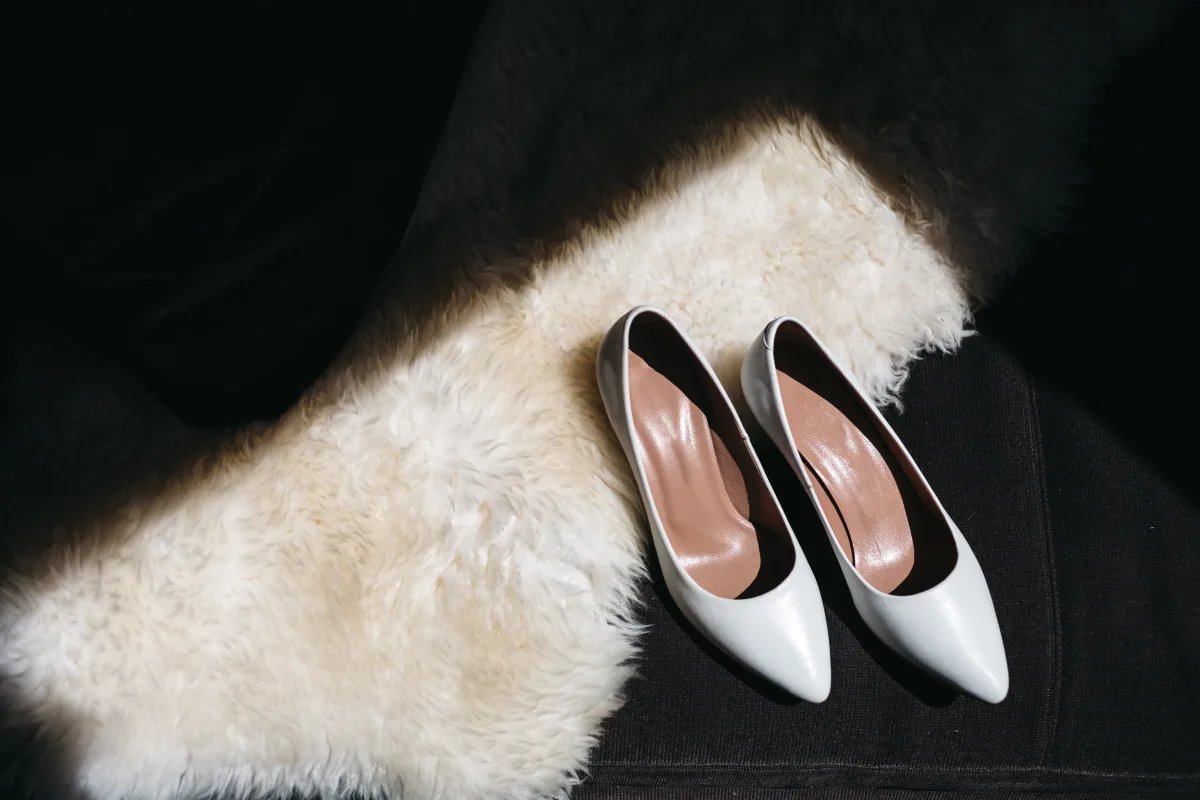
Leather quality can significantly influence how shoes respond to everyday wear. Some loafers use relatively substantial leather uppers, while ballet flats may feature softer leather, suede, or textile materials designed for flexibility.
However, softer leather is not automatically inferior, and thicker materials do not always provide greater comfort. Tanning, finishing, stitching, and product design also determine how footwear performs over time.
When evaluating loafers vs ballet flats, inspect the complete shoe rather than focusing only on the upper material. Lining quality, outsole composition, and attachment methods can be equally important for longevity.
How Leather Quality Affects Everyday Wear
Full-grain leather retains its natural grain surface and can provide good durability when properly processed and maintained. Corrected-grain leather undergoes additional finishing treatments that influence appearance and surface characteristics.
Both types can be used in well-made footwear, and neither guarantees superior performance in every application. Leather thickness, flexibility, and resistance to moisture depend on the specific product and manufacturing process.
For everyday shoes, choose materials that match expected conditions and comfort preferences. A well-finished leather flat may perform better than a poorly constructed loafer despite differences in overall design.
Structured Uppers Versus Flexible Designs
Loafers often incorporate structured components that help maintain the shape of the shoe. These may include reinforced heels, supportive internal materials, and carefully assembled leather panels.
Ballet flats commonly prioritize flexibility, using softer uppers and fewer rigid components. This can create a lightweight feel, although some models may offer less protection against pressure or abrasion.
Neither approach is universally preferable because comfort varies between individuals. The most appropriate construction depends on foot shape, walking habits, and the surfaces encountered during regular use.
Sole Construction: The Foundation of Footwear Resilience
The outsole is one of the most important components in the loafers vs ballet flats durability comparison. It comes into contact with the ground and experiences repeated abrasion, bending, and pressure during walking.
Loafers frequently use thicker leather or rubber soles, while many ballet flats feature thinner and more flexible designs. However, modern variations exist within both categories, making product-specific evaluation necessary.
Durability depends on the sole material, construction method, and quality of attachment to the upper. A thicker sole may provide additional wear material, but thickness alone does not establish performance.
Leather Soles Versus Rubber Soles
Leather outsoles are commonly associated with traditional dress footwear and can provide a refined appearance. Their durability depends on leather quality, environmental exposure, and how frequently the shoes are worn.
Rubber outsoles may provide useful traction and abrasion resistance, although individual compounds vary significantly. Some rubber soles prioritize flexibility, while others emphasize grip or durability.
When comparing luxury loafers and ballet flats, consider the surfaces where the shoes will be used. Wet pavement, rough sidewalks, and frequent outdoor walking may influence the most suitable sole choice.
Stitching and Adhesion: Holding It All Together
The method used to attach an outsole affects the construction and potential repairability of footwear. Some loafers use stitched construction, while others rely primarily on adhesives or combinations of techniques.
Goodyear-welted and certain Blake-stitched shoes may allow resoling when their design and condition permit it. However, these techniques are not present in every premium loafer, and repairs require suitable equipment and professional expertise.
Ballet flats frequently use flexible bonded constructions, although some models also incorporate stitching. Adhesive construction is not inherently defective, but the possibilities for major repairs depend on the individual shoe.
Can Both Shoe Styles Be Resoled?
Resolability depends on how the outsole is attached and whether the remaining shoe structure can support replacement. Certain stitched loafers are designed with repairability in mind.
Some ballet flats can receive protective sole additions or professional repairs, but extensive outsole replacement may be difficult or economically impractical. This limitation varies by design and construction quality.
Before purchasing expensive footwear, ask whether the manufacturer offers repairs or whether a qualified cobbler can service the model. Repair options can influence long-term ownership costs.
Wear and Tear: Real-World Performance Analysis
Real-world durability depends on how often shoes are worn, the walking surfaces encountered, and the level of maintenance provided. Repeated friction and exposure to moisture can affect both loafers and ballet flats.
Structured loafers may offer advantages in certain demanding conditions, particularly when equipped with substantial outsoles. However, flexible ballet flats can also perform well when designed with suitable materials and construction.
A balanced loafers vs ballet flats comparison should avoid assigning a universal lifespan to either category. Individual product quality and usage conditions remain central to long-term performance.
Everyday Walking and Commuting
Daily commuting can expose footwear to extended periods of walking, stairs, pavement, and changing weather. These conditions place repeated demands on soles, uppers, and internal shoe components.
Loafers with comfortable cushioning and sturdy outsoles may be suitable for frequent walking. However, some models are designed primarily for dress occasions and may not provide the comfort needed for long distances.
Ballet flats can also work for commuting when they offer appropriate fit, cushioning, and traction. Buyers should evaluate specific models rather than assume all flats are unsuitable for everyday movement.
Common Signs of Wear in Loafers
Loafers may develop creases across the upper as the leather bends during walking. This is often a normal characteristic of leather footwear rather than an immediate indication of poor quality.
Other signs of wear can include thinning outsoles, damaged heel areas, loose stitching, or deterioration around attachment points. The significance of these changes depends on their extent.
Regular inspection can help identify issues that may benefit from cleaning or professional repair. Addressing problems early may prevent further deterioration when repairs are technically possible.
Common Signs of Wear in Ballet Flats
Ballet flats may show surface scuffs around the toe area or wear along their flexible outsoles. The location and severity of damage depend on the material and individual walking patterns.
Some designs may also experience stretching around the opening or deterioration of internal lining materials. However, high-quality models can maintain their shape when properly fitted and cared for.
Choosing an appropriate size is particularly important because excessive movement inside the shoe can increase friction. Buyers should consider fit before attributing premature wear entirely to design.
Environmental Factors and Shoe Longevity
Moisture, temperature, and surface conditions can influence how leather and other shoe materials age. Frequent exposure to wet environments may affect finishes, adhesives, and certain outsole materials.
Some loafers provide greater coverage than ballet flats, but this does not make them waterproof. Leather footwear should only be exposed to conditions compatible with its materials and protective treatments.
For consumers evaluating loafers vs ballet flats for daily wear, climate and commuting conditions deserve careful consideration. Choosing appropriate footwear for the environment may help reduce avoidable damage.
Maintenance and Repair: Extending the Lifespan
Appropriate maintenance can help preserve the appearance and condition of both loafers and ballet flats. Cleaning methods should reflect the type of leather, fabric, or finishing treatment used.
Regular inspection also helps identify loose components, damaged soles, or areas experiencing excessive wear. Small issues may be easier to address before they become more extensive.
However, maintenance does not guarantee unlimited durability. Material fatigue, repeated use, and individual construction characteristics eventually influence when footwear should be repaired or replaced.
Cleaning Leather Loafers Properly
Remove loose dirt using a soft brush or suitable cloth before applying any cleaning product. Smooth leather, suede, and coated finishes may require different methods.
For suitable smooth leathers, occasional conditioning may help maintain the material's appearance and flexibility. The correct frequency depends on the leather and the manufacturer's instructions.
Avoid soaking shoes, exposing them to excessive heat, or applying unsuitable cleaning chemicals. Testing products in an inconspicuous area can help identify potential changes in color or finish.
Caring for Ballet Flats Without Damaging Them
Ballet flats should be cleaned according to their specific material and construction. Delicate suede, satin, and certain finished leathers may require specialized care to avoid visible damage.
Remove dust carefully and address stains using products appropriate to the shoe's surface. Excessive scrubbing or moisture can damage some finishes and affect adhesive components.
After cleaning, allow the shoes to dry naturally under suitable conditions. Avoid direct heat sources, which may cause changes in shape, material texture, or bonding.
When Professional Repairs Make Sense
Professional repair may be appropriate when footwear has worn heels, damaged soles, loose stitching, or other problems that can be corrected economically. The available options depend on construction.
A cobbler can assess whether repairs are technically possible and estimate their cost. Some premium loafers may support extensive work, while certain lightweight flats are better suited to minor repairs.
Compare the repair expense with the remaining condition and expected use of the shoes. Paying for major repairs is not always financially practical when other components are already heavily worn.
Cost-Benefit Analysis for Long-Term Value
Purchase price provides only part of the information needed to evaluate footwear value. The number of times a pair is worn and the total cost of maintenance also influence ownership expenses.
A more expensive pair may offer good value when it fits comfortably and remains usable for an extended period. However, premium pricing does not automatically guarantee superior durability or repairability.
For a meaningful loafers vs ballet flats comparison, estimate cost per wear using realistic assumptions. This approach helps consumers evaluate whether higher upfront spending matches their needs.
How to Calculate Cost Per Wear
Cost per wear is a simple way to evaluate the relationship between footwear spending and actual use. Divide the total amount spent on a pair by the number of times it is worn.
For example, a $200 pair worn 200 times has an initial cost per wear of $1. A $100 pair worn only 50 times has an initial cost per wear of $2.
These examples do not establish which style is more durable. They demonstrate why comfort, versatility, and realistic wearing frequency can be as important as the initial purchase price.
Why Expensive Shoes Are Not Always Better Value
Luxury prices may reflect brand identity, design, manufacturing location, material selection, and retail positioning. These factors do not necessarily translate into greater durability for every product.
A moderately priced shoe with appropriate materials and construction may perform well during everyday use. Conversely, an expensive pair designed for occasional occasions may require more careful handling.
Consumers should therefore compare product characteristics instead of assuming price determines lifespan. Fit, comfort, intended use, and repair options provide a more practical basis for purchasing decisions.
When Investing in Repairs Is Worthwhile
Repairs may offer good value when the upper remains in suitable condition and the damaged component can be replaced. Shoes designed for professional servicing may support continued use after appropriate repairs.
However, repair costs can become substantial for complex work or specialized materials. The availability of replacement components may also influence the practicality of restoring a particular model.
Before approving a repair, consider its cost and the expected remaining life of the footwear. This helps avoid spending more on restoration than the shoes are likely to justify.
2026 Luxury Trends: Balancing Style and Sustainability
Everyday luxury footwear combines design, materials, and practical considerations in different ways. Consumers interested in long-term wardrobe value may prioritize styles that remain useful across multiple occasions.
Both loafers and ballet flats can support this approach when their design and fit match regular needs. Sustainability considerations may include durability, repairability, sourcing, and eventual disposal.
In a loafers vs ballet flats durability comparison, environmental claims should be evaluated separately from construction quality. A responsibly sourced product is not automatically more durable than another option.
Innovations in Footwear Durability
Footwear manufacturers continue exploring materials, outsoles, and production methods intended to improve product performance. These developments may influence flexibility, abrasion resistance, and repair possibilities.
Some loafers incorporate improved sole compounds or construction details designed for particular uses. Ballet flats may also feature reinforced toe areas, cushioned footbeds, or more substantial outsoles.
However, innovations should be assessed through product specifications and credible testing rather than broad marketing claims. Newer construction methods are not automatically superior in every situation.
Sustainable Materials and Responsible Production
Footwear production involves environmental considerations related to raw materials, processing, transport, and disposal. Different materials create different impacts throughout their lifecycle.
Leather sourcing, textile production, and synthetic outsole manufacturing may involve distinct resource and chemical requirements. Assessing sustainability therefore requires more information than identifying a single material.
Consumers can look for transparent sourcing information and credible product documentation. However, environmental responsibility and durability remain separate characteristics that should be evaluated individually.
Timeless Styles and Wardrobe Versatility
Classic loafers and ballet flats can complement different wardrobe combinations without depending entirely on short-lived fashion trends. Their usefulness depends on personal style and the occasions for which they are worn.
Neutral colors and simple finishes may make a pair easier to coordinate with existing clothing. This can increase wearing frequency when the shoes also provide suitable comfort.
Readers interested in a timeless capsule wardrobe may benefit from selecting footwear that matches several outfits. Versatility can contribute to value without guaranteeing greater durability.
Consumer Expectations: What Luxury Buyers Demand
Luxury footwear buyers may consider craftsmanship, comfort, appearance, and long-term usability when making purchasing decisions. These priorities differ according to individual preferences and financial expectations.
Some consumers prioritize structured designs and repairability, while others prefer lightweight shoes that feel flexible during use. Neither preference automatically results in greater value for everyone.
For shoppers considering loafers vs ballet flats, identifying the intended use is essential. Choosing footwear that matches daily activities can be more useful than selecting a style solely because of its premium reputation.
Investment Pieces vs. Seasonal Staples
An investment piece is often described as a product intended for repeated use over several seasons. However, footwear is generally a depreciating consumer purchase rather than an investment expected to generate financial returns.
Well-made loafers may be practical for consumers who regularly wear structured shoes to work or social events. Ballet flats can also become frequently worn wardrobe staples when they meet comfort and style requirements.
The distinction should therefore depend on actual use, product quality, and maintenance possibilities. A frequently worn pair of ballet flats may offer better personal value than loafers that rarely leave the closet.
Comfort Expectations for Everyday Luxury
Comfort is influenced by fit, cushioning, shoe shape, and individual foot characteristics. A visually refined design does not guarantee that footwear will remain comfortable throughout a long day.
Loafers may feel secure because of their structure, but some models can create pressure around the heel or upper foot. Ballet flats may offer flexibility while providing different levels of cushioning and support.
Try shoes on whenever possible and pay attention to heel movement, toe space, and pressure points. A suitable fit is important regardless of the price or design category.
Which Is Better for Everyday Wear: Loafers or Ballet Flats?
The best choice depends on the balance between comfort, construction, appearance, and daily activity requirements. Loafers may appeal to shoppers seeking structure, while ballet flats may suit those prioritizing a lightweight profile.
However, both categories include products with different levels of quality and durability. A well-designed ballet flat may outperform a poorly made loafer during everyday use.
Rather than declaring a universal winner in loafers vs ballet flats, consumers should compare specific models. Materials, repairability, outsole characteristics, and fit provide more useful information than style labels alone.
Best Choice for Office Wear
Loafers often suit office environments because their structured appearance complements tailored trousers, skirts, and business-casual clothing. However, workplace dress expectations vary between organizations.
Ballet flats may also be appropriate for professional settings, particularly when their finish and design match the overall outfit. Some people prefer their lightweight feel during less demanding activities.
For office use, choose shoes that accommodate commuting and the amount of walking required during the day. Comfort and workplace suitability should guide the decision.
Best Choice for Long Walking Days
Long walking days place repeated demands on cushioning, traction, and shoe fit. Neither loafers nor ballet flats are automatically designed for sustained walking over substantial distances.
Some loafers provide thicker outsoles and supportive internal features, while selected ballet flats incorporate cushioning and flexible materials. The appropriate choice depends on the specific product.
People who regularly walk long distances may prefer purpose-built walking shoes. Footwear should be selected according to activity requirements rather than appearance alone.
Best Choice for Travel and Versatility
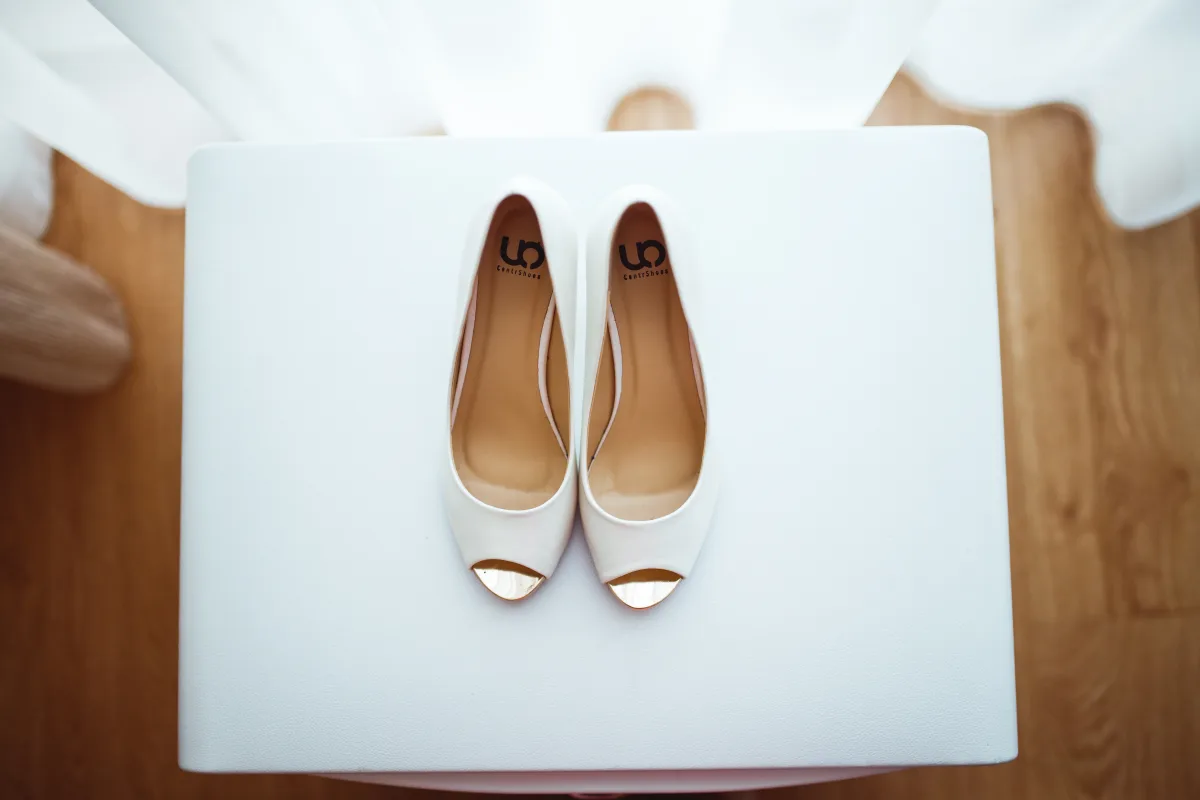
Travel footwear should balance comfort, luggage space, expected weather, and planned activities. Lightweight ballet flats may be convenient to pack, while loafers can offer a more structured appearance.
However, travel often involves extended walking and changing surfaces. Shoes that feel comfortable during short outings may not provide the same experience throughout an active day.
For versatile travel wardrobes, consider which pair works with the greatest number of planned outfits and activities. Bringing suitable walking footwear may be worthwhile when comfort requirements differ.
Loafers vs Ballet Flats: Key Durability Comparison
The main differences between loafers and ballet flats involve typical construction, materials, repairability, and practical wearing conditions. These characteristics can influence durability, but they do not determine the performance of every model.
Structured loafers may offer advantages when equipped with substantial soles and repairable construction. Ballet flats can provide flexibility and lightweight comfort, with durability depending on their individual design.
The following table summarizes the central findings of this loafers vs ballet flats durability comparison. Buyers should use these distinctions as general guidance and confirm the specifications of products they are considering.
Key Aspect | Durability Comparison |
|---|---|
Construction | Loafers often have structured uppers and substantial soles, while ballet flats commonly emphasize lightweight, flexible construction. Both styles vary by model. |
Materials | Both categories may use leather, suede, textiles, and different sole materials. Durability depends on quality, finishing, and intended use. |
Repairability | Certain stitched loafers can be resoled, while some ballet flats allow limited repairs. Actual options depend on individual construction. |
Long-Term Value | Cost per wear depends on purchase price, frequency of use, maintenance, comfort, and practical lifespan rather than shoe category alone. |
Frequently Asked Questions About Footwear Durability
Which shoe type typically lasts longer: loafers or ballet flats?
Loafers often feature more substantial construction and thicker outsoles, which may provide advantages under certain everyday conditions. However, durability varies significantly among individual products. Well-made ballet flats can also offer satisfactory longevity when used appropriately. The best comparison considers materials, stitching, sole construction, maintenance, and actual wearing conditions rather than assuming every loafer lasts longer.
Can luxury ballet flats be as durable as loafers?
Yes, certain luxury ballet flats may provide durability comparable to some loafers, depending on their construction and intended use. Reinforced components, appropriate leather quality, and suitable outsoles can influence performance. However, flexible designs may involve different compromises than structured footwear. Comparing individual models and their materials provides a more reliable assessment than relying exclusively on the footwear category.
What construction features make loafers more durable?
Potentially useful durability features include well-made leather uppers, secure sole attachment, appropriate stitching, and outsoles suited to regular wear. Some loafers use Blake stitching or Goodyear-welted construction, which may allow professional resoling. However, not all loafers include these methods, and their presence does not guarantee a particular lifespan. Overall quality and proper fit remain important.
Are ballet flats suitable for everyday, extensive walking?
Some ballet flats can be comfortable for everyday use, but their suitability for extended walking depends on cushioning, fit, traction, and individual foot needs. Very thin or minimally cushioned models may not provide enough comfort for certain activities. People who walk substantial distances should evaluate specific products carefully and consider footwear designed for regular walking when appropriate.
How does maintenance affect the lifespan of loafers and ballet flats?
Appropriate maintenance can help preserve both styles by removing dirt, managing moisture exposure, and addressing wear before it becomes severe. Loafers with repairable construction may support certain professional repairs, while some ballet flats are better suited to limited restoration. Care requirements vary by material and finish. Regular maintenance can improve condition but does not guarantee an extended lifespan.
Looking Ahead
Loafers vs Ballet Flats: A Head-to-Head Durability Comparison for 2026 Everyday Luxury demonstrates that footwear longevity depends on more than design category. Construction methods, material selection, maintenance, and individual use all influence long-term performance.
Loafers may offer advantages through structured construction and repairable components, while ballet flats can provide flexible, lightweight options for different wardrobe needs. Neither style guarantees superior durability across every product.
For shoppers seeking lasting everyday luxury, the most practical approach is to evaluate specific shoes according to comfort, materials, repairability, and cost per wear. Thoughtful purchasing decisions can support a versatile wardrobe without relying on unsupported durability promises.