Decoding Dress Codes: Smart Casual Foundations for 2026
Advertisements
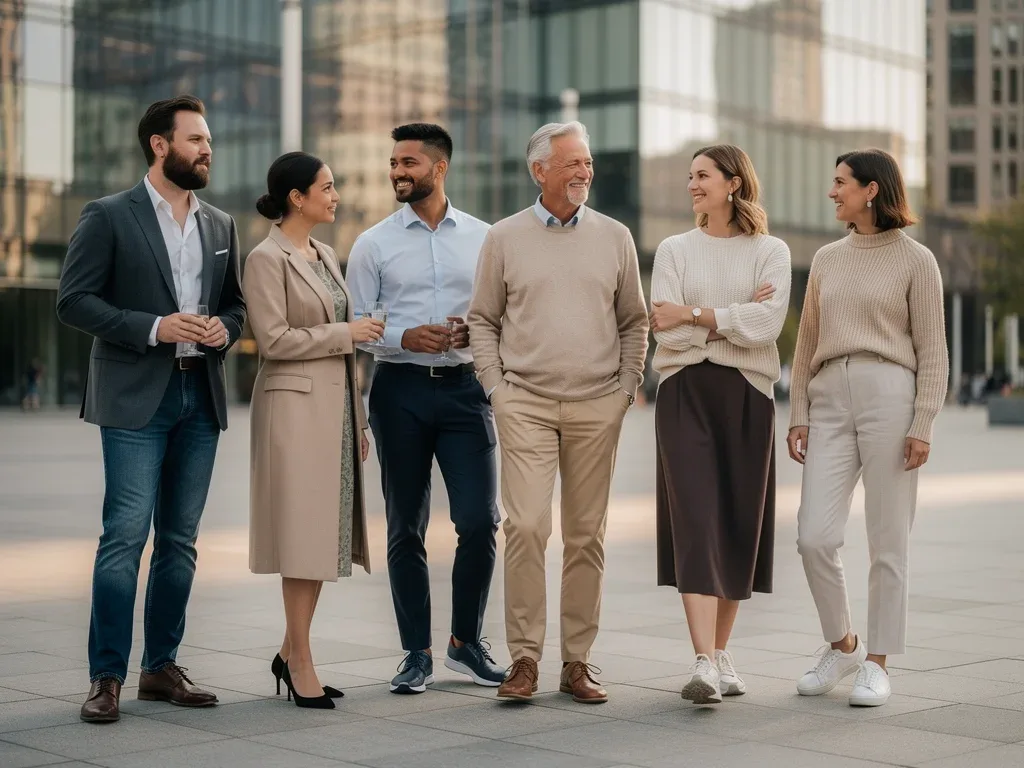
Latest developments on Decoding Dress Codes: How to Style Smart Casual with 3 Timeless Foundations in 2026 show that smart casual remains flexible rather than governed by one universal formula.
Current styling trends favor polished separates, softer tailoring, refined footwear, and comfortable fabrics that can move between work, travel, and social settings.
The easiest way to build a reliable smart casual wardrobe is to focus on three adaptable foundations: a versatile jacket, polished bottoms, and footwear that looks intentional without becoming overly formal.
Understanding the Evolving Smart Casual Landscape
Smart casual generally sits between traditional businesswear and everyday casual clothing, but the exact balance changes according to setting and culture.
A creative office may accept jeans and sneakers, while a client meeting, restaurant, or more conservative workplace may call for tailored trousers and leather shoes.
Rather than treating smart casual as a strict checklist, it is more useful to think in terms of fit, condition, fabric, proportion, and how formal the overall combination appears.
The First Foundation: The Versatile Blazer or Smart Jacket
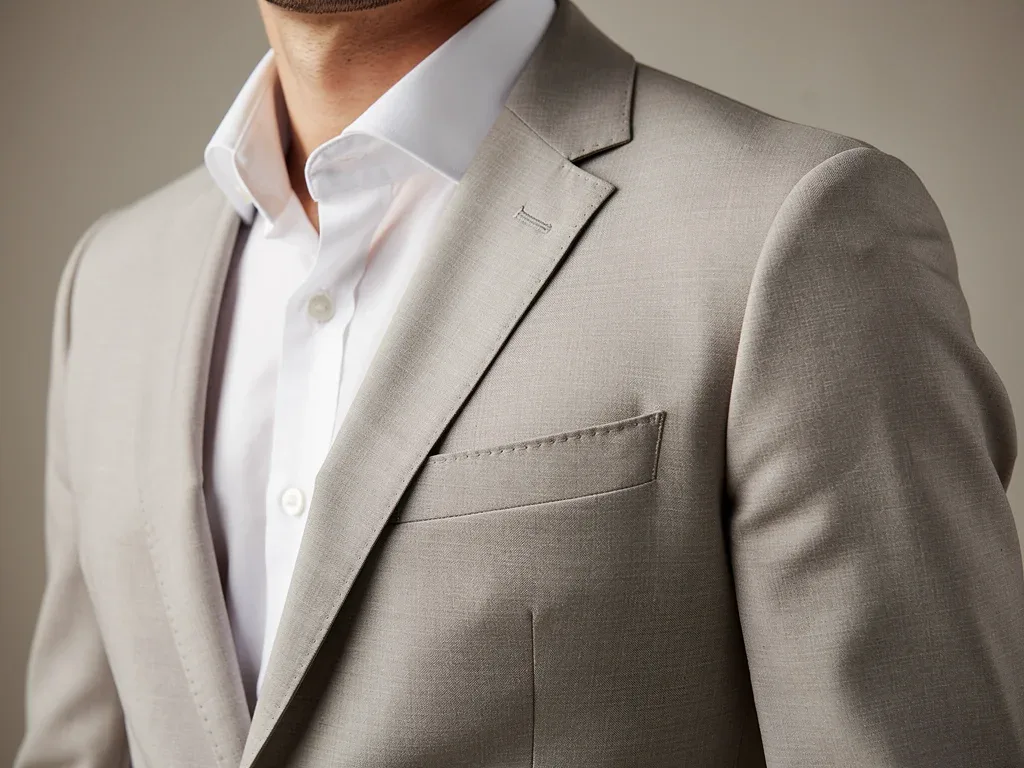
A blazer remains one of the easiest ways to add structure to a casual outfit, but it is not the only jacket that can work within smart casual dressing.
A well-cut blazer, chore jacket, lightweight sport coat, or refined overshirt can all create a more intentional appearance depending on the occasion.
For maximum versatility, choose a piece that coordinates with several shirts, knits, trousers, and jeans rather than buying a highly specific statement jacket.
Choosing the Right Fabric and Fit
Lightweight cotton and linen blends work well in warmer conditions, while wool, flannel, and textured fabrics can provide more structure and warmth during cooler seasons.
The shoulders should sit comfortably without pulling, and the body should allow enough room for a shirt or lightweight knit underneath.
Exact sleeve and jacket length can vary by silhouette and personal preference, so proportion is more important than following a single rigid measurement rule.
Styling Your Jacket for Different Settings
A navy or charcoal blazer paired with a button-down shirt and chinos creates a relatively polished version of smart casual.
For a more relaxed approach, a softer jacket can be worn with a quality T-shirt, knit polo, or crewneck and clean dark denim.
In cooler weather, lightweight knitwear under structured outerwear can add texture without making the outfit feel as formal as a traditional suit.
Pair a navy blazer with a button-down shirt and chinos for a polished combination.
Wear a soft jacket with a plain T-shirt and dark denim for a more relaxed interpretation.
Layer a fine-gauge sweater under a blazer or sport coat when temperatures drop.
The Second Foundation: Polished Bottoms
Smart casual bottoms should generally look intentional, fit well, and complement the level of formality created by the top half of the outfit.
Chinos, tailored trousers, straight-leg pants, and clean denim can all work, depending on the setting and the pieces worn with them.
The objective is not necessarily to choose the most expensive garment, but to avoid finishes, damage, or proportions that make the outfit look unintentionally sloppy.
The Role of Chinos and Tailored Trousers
Chinos remain useful because they sit naturally between jeans and formal trousers and can be worn with both sneakers and leather shoes.
Tailored trousers offer a slightly dressier option and can work especially well with knitwear, polos, button-down shirts, or relaxed jackets.
Straight and gently relaxed silhouettes are also increasingly common in contemporary styling, so a slim fit is no longer the only route to a polished appearance.
Selecting the Right Denim
Clean denim can work in many smart casual environments, particularly when paired with structured outerwear and refined footwear.
Dark washes are traditionally easier to dress up, although medium-wash straight-leg jeans can also look polished when the rest of the outfit is carefully coordinated.
Heavy distressing, large tears, or extreme silhouettes may be less suitable in conservative workplaces, but there is no universal rule banning them from every smart casual setting.
Choose clean denim with a fit that works with the rest of your outfit.
Dark washes are easy to dress up, but they are not the only acceptable option.
Keep the hem deliberate rather than allowing excessive bunching unless that is part of the intended silhouette.
The Third Foundation: Refined Footwear
Footwear has a strong influence on how formal or casual an outfit appears, making it an important part of smart casual dressing.
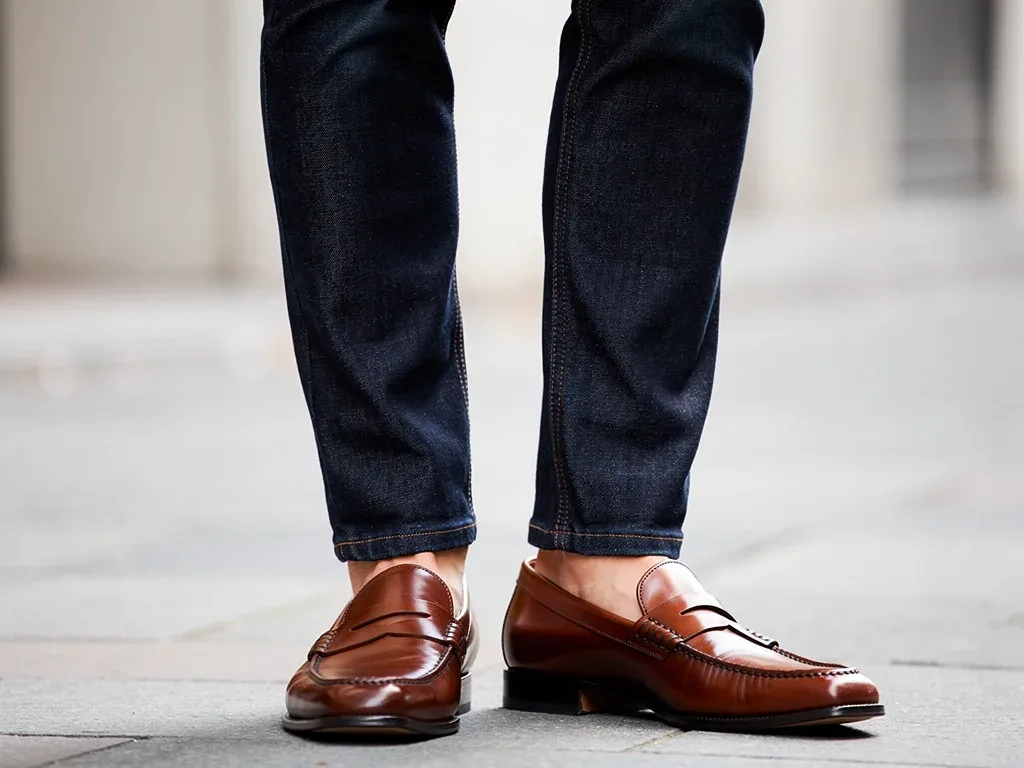
Loafers, derbies, Chelsea boots, streamlined sneakers, and other clean footwear can all work when they coordinate with the rest of the outfit.
The condition and styling of the shoe often matter more than whether it belongs to a traditionally formal or casual category.
Essential Smart Casual Footwear Styles
Leather or suede loafers remain a versatile option because they work with chinos, tailored trousers, jeans, and many types of knitwear.
Derbies and simple boots provide a dressier alternative without requiring the formality of an Oxford shoe or traditional business footwear.
Current 2026 styling also includes cleaner, lower-profile shoe shapes, although personal preference and workplace expectations should guide the final choice.
When to Choose Sneakers
Sneakers are increasingly accepted in some smart casual and business-casual workplaces, particularly in hybrid or less conservative environments.
Minimalist leather sneakers remain an easy option, but current styling is not limited to white, black, or gray; low-profile colored and suede sneakers can also work with otherwise polished outfits.
Very technical running shoes or heavily worn athletic sneakers may look more casual, although whether they are appropriate ultimately depends on the setting.
Choose sneakers that are clean and in good condition.
Low-profile silhouettes are usually easier to combine with tailoring.
Neutral colors are versatile, but subtle color can also work in 2026 smart casual styling.
Accessorizing a Smart Casual Outfit
Accessories can make a simple outfit feel more intentional, but they are not mandatory for a successful smart casual look.
A watch, belt, eyewear, bag, scarf, or understated jewelry can add personality without changing the basic structure of the outfit.
The best accessories support the overall look rather than competing with every other item for attention.
Belts and Watches
A leather belt can visually connect trousers and footwear, but matching the belt and shoes exactly is not required in modern smart casual dressing.
Similar levels of formality and complementary colors are often enough to create a cohesive result.
A watch can add polish, but both traditional and contemporary designs can work depending on the rest of the outfit.
Eyewear and Jewelry
Eyewear can function as both a practical accessory and a visual part of the overall outfit.
Jewelry such as rings, necklaces, bracelets, earrings, or cufflinks can also fit smart casual dressing when coordinated intentionally.
There is no universal rule that smart casual accessories must always be minimal, although understated pieces are generally easier to adapt across different settings.
Navigating Specific Smart Casual Scenarios in 2026
Smart casual becomes easier to interpret when the occasion is considered before individual garments are selected.
A workplace, restaurant, date, conference, or weekend event can each require a different balance between relaxed and polished elements.
When uncertain, moving one step more polished than everyday casual is usually a practical way to reduce the risk of appearing underdressed.
Smart Casual for the Office
Office expectations vary widely, so company culture remains more important than any general fashion rule.
In a conservative workplace, tailored trousers, a collared shirt or knit, and loafers may be safer than jeans and sneakers.
In relaxed or hybrid offices, clean sneakers, denim, quarter-zips, knit polos, and softer tailoring are increasingly common professional options.
Weekend and Social Smart Casual
Weekend smart casual can place more emphasis on comfort through knitwear, polos, overshirts, clean denim, and casual footwear.
For dinner or evening events, upgrading one element—such as the jacket, shirt, trousers, or shoes—can make the outfit feel more deliberate.
The overall balance matters more than following a formula, so a relaxed garment can work when paired with more structured pieces elsewhere.
Use a knit polo or sweater with chinos for an easy weekend combination.
Pair jeans with structured outerwear when you want a sharper casual look.
Upgrade fabric, footwear, or tailoring for evening events.
Smart Casual Trends to Watch in 2026
Current 2026 fashion coverage points toward softer tailoring, comfortable sophistication, straight-leg denim, textured outerwear, refined knitwear, and less rigid distinctions between office and casual clothing.
Minimalist sneakers remain useful, but colorful and low-profile retro sneakers are also appearing prominently, showing that polished casual footwear no longer needs to be completely neutral.
These trends can refresh a wardrobe, but they should be treated as optional styling directions rather than requirements for dressing appropriately.
Softer Tailoring and Comfortable Workwear
Structured clothing in 2026 is frequently styled with softer fabrics, relaxed layers, knit polos, quarter-zips, and lightweight jackets instead of full traditional suiting.
This reflects a broader preference for clothing that can function across commuting, office work, travel, and social settings.
The result is a smart casual wardrobe that can feel polished without relying on stiff construction or a shirt-and-tie combination.
Athleisure Influence Without Full Gym Dressing
Performance fabrics continue to appear in everyday clothing, but the dominant styling approach increasingly mixes technical comfort with cleaner tailoring rather than wearing full gym-inspired outfits.
Refined sneakers, stretch trousers, technical jackets, and knitwear can contribute comfort while maintaining a more intentional appearance.
The most adaptable combinations generally use athletic-inspired elements selectively rather than allowing every piece to read as sportswear.
Sustainability and Wardrobe Longevity
Sustainability is often discussed alongside modern wardrobe building, but no single material can automatically be described as environmentally superior in every situation.
Organic cotton, recycled fibers, plant-based textiles, wool, synthetics, and regenerated fibers each involve different tradeoffs related to production, durability, water use, energy, and end-of-life handling.
For consumers, buying fewer useful pieces, wearing them repeatedly, maintaining them well, and researching credible sourcing information can be more meaningful than relying on broad “eco-friendly” labels.
Evaluating Materials and Production Claims
Look beyond marketing terminology and check whether brands provide specific information about materials, factories, certification, labor practices, or manufacturing processes.
A garment made with recycled content may reduce demand for some virgin materials while still having other environmental impacts that should be considered.
Durability also matters because a garment that remains useful for years can function differently from an item that is replaced frequently, regardless of the fiber label.
Mastering the Art of Smart Casual
Successfully Decoding Dress Codes: How to Style Smart Casual with 3 Timeless Foundations in 2026 is primarily about balancing context, fit, comfort, and intentional styling.
A versatile jacket, polished bottoms, and appropriate footwear provide a dependable framework without requiring every outfit to look identical.
Once those foundations are established, color, texture, accessories, knitwear, and seasonal trends can be used to make the wardrobe feel more personal.
Key Takeaways for Smart Casual Style
The most useful smart casual wardrobe is one that can move between several levels of formality with only small adjustments.
Fit, garment condition, fabric, and coordination usually matter more than following rigid rules about exact colors, cuts, or accessories.
Building around adaptable foundations also reduces the need to create a completely different wardrobe for every professional or social occasion.
Key Foundation | How It Works |
|---|---|
Versatile Jacket | A blazer, sport coat, refined overshirt, or similar layer can add structure and polish. |
Polished Bottoms | Chinos, tailored trousers, or clean denim provide adaptable foundations for different settings. |
Refined Footwear | Loafers, derbies, boots, or clean sneakers can change the formality of the entire outfit. |
Context | Workplace culture and occasion should guide how formal or relaxed the final combination becomes. |
Frequently Asked Questions About Smart Casual
What defines smart casual in 2026? ▼
Smart casual generally combines polished and relaxed clothing in a way that looks intentional, but the exact interpretation depends on workplace culture, occasion, and personal style.
Can I wear jeans for a smart casual look? ▼
Yes. Clean, well-fitting jeans can work in many smart casual settings, particularly when paired with structured outerwear, quality knitwear, or refined footwear.
What shoes work best for smart casual? ▼
Loafers, derbies, Chelsea boots, and clean sneakers are all possible choices. The best option depends on the formality of the setting and the rest of the outfit.
How important is fit?
Fit strongly influences whether clothing looks intentional, but smart casual does not require everything to be slim. Straight, relaxed, and softly tailored silhouettes can also look polished.
Do my belt and shoes have to match? ▼
No. Exact matching is optional. Coordinating colors and choosing accessories with a similar level of formality is usually sufficient.
Perspectives on Smart Casual Evolution
The continued evolution of Decoding Dress Codes: How to Style Smart Casual with 3 Timeless Foundations in 2026 reflects a broader shift toward flexible clothing that can function across professional and personal settings.
Current 2026 fashion coverage supports both timeless staples and more relaxed interpretations, including softer tailoring, straight-leg denim, refined knitwear, low-profile sneakers, and versatile outerwear.
The strongest approach is therefore not to chase every trend, but to use adaptable foundations and adjust the level of formality according to where you are going and how you want to present yourself.