Streetwear’s Digital Frontier: NFTs & Metaverse Fashion 2026
Advertisements
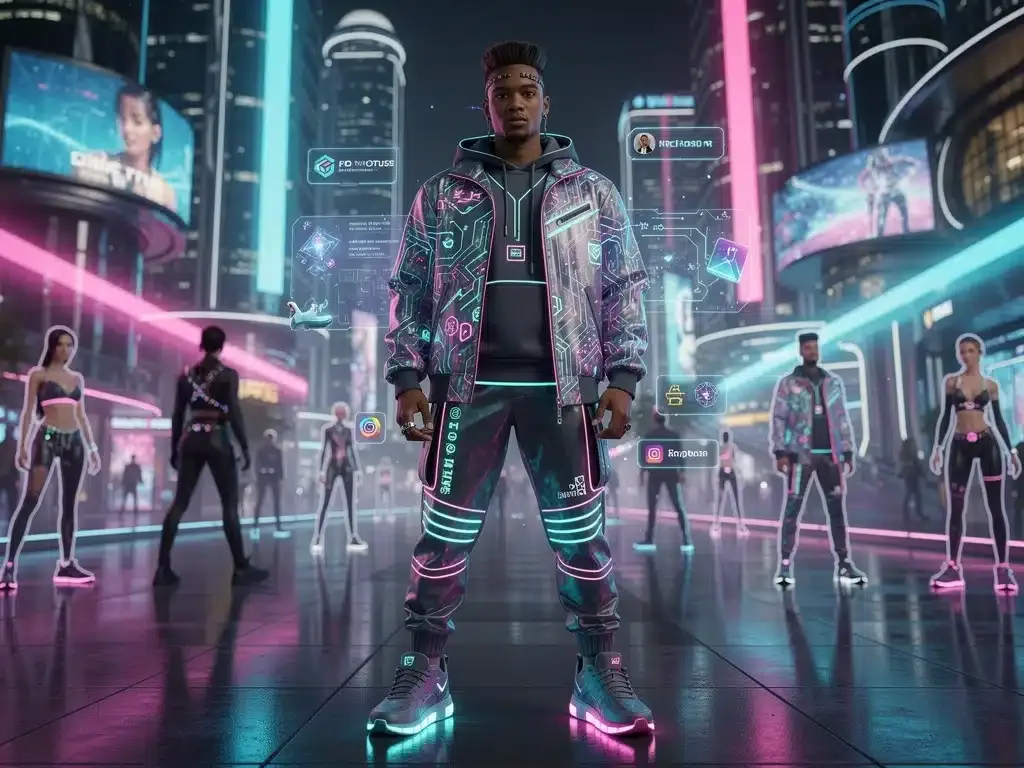
The convergence of streetwear, NFTs, and metaverse fashion is fundamentally transforming how we perceive, create, and consume apparel, marking a significant shift in the industry’s trajectory towards 2026 and beyond.
The landscape of urban style is undergoing a profound metamorphosis, driven by technological advancements that are blurring the lines between physical and virtual realities. This shift is particularly evident in the realm of streetwear digital frontier, where non-fungible tokens (NFTs) and metaverse fashion are not just fleeting trends but foundational elements shaping the future of design, ownership, and cultural expression. As we approach 2026, understanding these dynamics becomes crucial for brands and consumers alike.
The Rise of Digital Collectibles: NFTs in Streetwear
Non-fungible tokens, or NFTs, have revolutionized the concept of ownership in the digital space, extending their influence far beyond digital art to the very fabric of fashion. In streetwear, NFTs represent a paradigm shift, enabling creators to imbue digital garments with unique identities and verifiable provenance. This innovation addresses a long-standing desire for exclusivity and authenticity within the community, offering a new dimension to collecting and personal expression.
The appeal of NFTs in streetwear lies in their ability to confer unique digital ownership. Unlike traditional digital files that can be endlessly replicated, an NFT proves that a specific digital item is yours, and yours alone, on the blockchain. This scarcity mirrors the highly coveted limited-edition drops characteristic of streetwear culture, amplifying their desirability in a new, virtual context.
Authenticity and Exclusivity in a Digital Age
The streetwear market has always thrived on exclusivity and the thrill of acquiring limited-edition items. NFTs elevate this by providing immutable proof of authenticity and ownership. This digital ledger eliminates counterfeiting concerns, a persistent issue in the physical luxury and streetwear markets, and ensures that collectors truly own a unique piece of digital heritage.
- Verifiable Ownership: Blockchain technology ensures that the ownership of an NFT is publicly recorded and cannot be altered, providing irrefutable proof.
- Counterfeit Prevention: Digital scarcity and unique identifiers inherent to NFTs make replication and fraudulent claims virtually impossible.
- Enhanced Exclusivity: Limited NFT drops create hyper-exclusive digital assets, mirroring the coveted nature of rare physical streetwear items.
- Direct Creator-Consumer Connection: NFTs allow designers to directly interact with their audience, fostering stronger community bonds and bypassing traditional intermediaries.
Furthermore, the integration of NFTs allows brands to experiment with new revenue streams and engagement models. From virtual try-ons to exclusive access to future collections or events, NFTs are transforming how consumers interact with their favorite brands and products. This digital ownership also opens doors for digital flexing, where individuals showcase their unique NFT streetwear in metaverse environments or on social media, adding another layer to personal branding.
Metaverse Fashion: A New Runway for Streetwear
The metaverse, a persistent, shared, 3D virtual space, is rapidly becoming the ultimate stage for fashion experimentation, and streetwear is taking center stage. Here, the constraints of physical reality dissolve, allowing designers to unleash their creativity without limitations of material, gravity, or production costs. This boundless creativity is attracting both established brands and emerging digital artists, all eager to define the aesthetics of virtual identities.
Metaverse fashion offers an unparalleled opportunity for self-expression. Users can customize their avatars with outfits that might be impossible or impractical in the physical world, exploring new facets of their identity. This digital playground is fostering a vibrant community of fashion enthusiasts, pushing the boundaries of what clothing can be and how it can be experienced.
Designing Beyond Physical Constraints
In the metaverse, designers are no longer bound by the laws of physics or the limitations of manufacturing. Fabrics can shimmer with impossible light, garments can defy gravity, and colors can shift and morph in real-time. This freedom fosters a new era of innovation, where conceptual designs can be brought to life, unhindered by traditional production cycles or material costs.
The creative liberation offered by metaverse fashion is attracting a new generation of digital designers who specialize in 3D modeling and animation. These artists are crafting intricate, dynamic, and often interactive garments that respond to user movements or environmental changes within virtual worlds. This represents a significant departure from traditional fashion design, emphasizing digital craftsmanship and virtual wearability.
Moreover, metaverse fashion democratizes access to high-end design. While physical luxury streetwear items can be prohibitively expensive, their digital counterparts can often be acquired at more accessible price points, allowing a broader audience to engage with exclusive designs and experience virtual luxury. This inclusive approach is expanding the reach and influence of streetwear globally.
The Convergence: NFTs as Metaverse Wearables
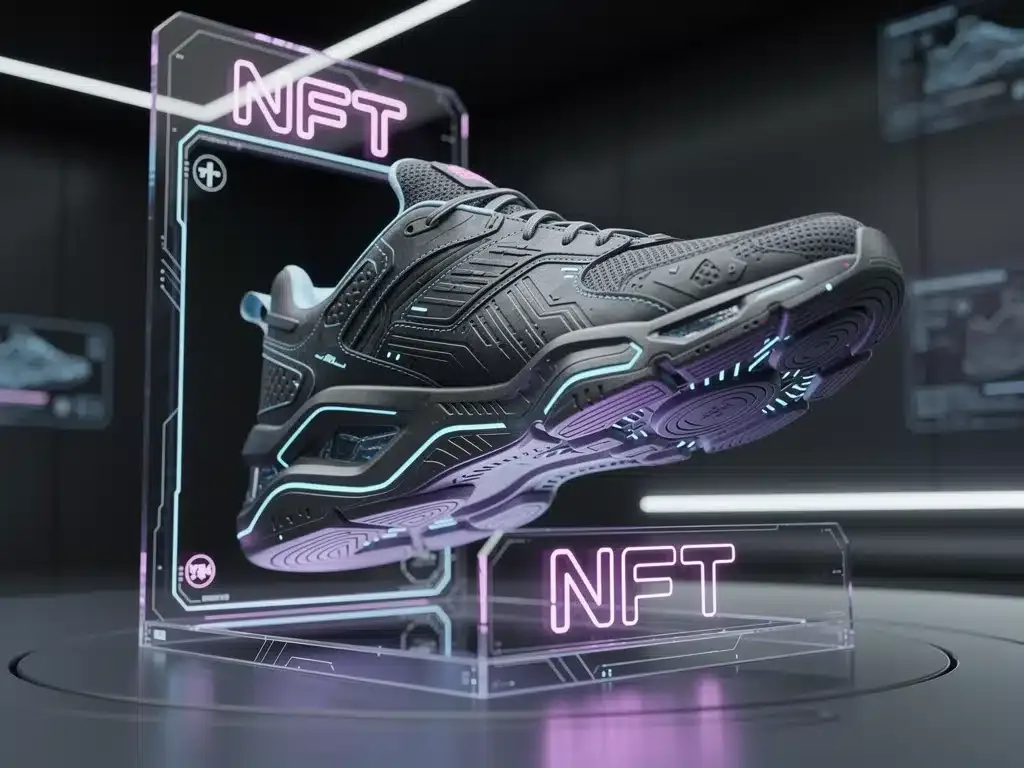
The true power of this digital revolution lies in the convergence of NFTs and metaverse fashion. NFTs are not just digital collectibles; they are increasingly becoming the very garments and accessories worn by avatars in virtual worlds. This integration allows for verifiable ownership of unique digital apparel, bridging the gap between collectible art and functional fashion within the metaverse.
When you purchase an NFT streetwear item, you’re not just buying a digital image; you’re acquiring a piece of code on the blockchain that grants you ownership of that specific digital asset. This asset can then be ‘worn’ by your avatar across various metaverse platforms, provided compatibility exists, offering a consistent digital identity and style.
From Digital Art to Avatar Identity
The transition of NFTs from static digital art to dynamic, wearable assets in the metaverse fundamentally transforms how individuals express their identity online. Your avatar’s clothing becomes an extension of your digital persona, reflecting your taste, status, and affiliation with specific brands or communities. This digital identity is becoming as important, if not more so, than physical appearance for many.
- Cross-Platform Identity: Ideally, NFT wearables will allow users to carry their unique styles across different metaverse environments, creating a consistent digital presence.
- Status Symbols: Rare and exclusive NFT streetwear pieces function as digital status symbols, signaling taste and wealth within virtual communities.
- Community Building: Owning specific brand NFTs can grant access to exclusive digital communities, events, or even voting rights in decentralized autonomous organizations (DAOs).
- Personal Expression: Metaverse fashion provides an unprecedented canvas for self-expression, allowing users to experiment with styles uninhibited by physical limitations.
This seamless integration means that the value of an NFT streetwear item is not solely in its artistic merit or scarcity but also in its utility within the metaverse. A highly sought-after digital jacket, for instance, might be coveted not just for its design but for the prestige it confers when worn by an avatar in a popular virtual space. This utility drives demand and further cements the role of NFTs in the future of fashion.
Economic Impact and New Business Models
The emergence of NFTs and metaverse fashion is not just a creative revolution; it’s an economic one. These technologies are giving rise to entirely new business models, disrupting traditional fashion industry structures and creating unprecedented opportunities for brands, designers, and consumers. The potential for wealth creation and innovative commerce is immense, drawing significant investment and talent.
Brands are exploring direct-to-avatar sales, virtual storefronts, and even hybrid models where a physical purchase comes with a corresponding digital twin NFT. This expands their market reach, taps into new demographics, and allows for more dynamic and personalized customer engagement, pushing the boundaries of traditional retail.
Decentralized Fashion and Creator Economies
The blockchain technology underpinning NFTs fosters a more decentralized fashion ecosystem. Independent digital designers can mint and sell their creations directly to consumers, bypassing traditional gatekeepers and fostering a vibrant creator economy. This empowerment of individual artists is democratizing the fashion industry, allowing diverse voices to thrive.
The economic models are diverse and evolving:
- Primary Sales: Brands and designers sell new NFT collections directly to consumers, often through limited-edition drops.
- Secondary Markets: NFTs can be resold on marketplaces, allowing collectors to profit from appreciating assets, and creators to earn royalties on secondary sales.
- Play-to-Earn Fashion: Some metaverse games integrate fashion as a reward, where players can earn or create digital apparel that holds real-world value.
- Virtual Influencers: Digital avatars and virtual influencers can showcase and promote metaverse fashion, blurring the lines between real and virtual marketing.
Moreover, the concept of digital scarcity, inherent to NFTs, drives value and demand, replicating the hype and resale market dynamics seen in physical streetwear. This creates a circular economy where digital assets can be traded, collected, and invested in, establishing a new class of digital luxury goods. The economic implications are far-reaching, transforming how value is perceived and exchanged in the fashion world.
Challenges and Opportunities for 2026
While the digital frontier of streetwear presents immense opportunities, it also comes with its share of challenges that need to be addressed before widespread adoption by 2026. Interoperability, sustainability, and user experience are critical hurdles that the industry is actively working to overcome, ensuring a more seamless and impactful digital future.
The rapid pace of technological change also means that standards and best practices are still being developed. Brands and platforms must remain agile, adapting to new innovations while prioritizing user security and ethical considerations in the burgeoning digital fashion landscape.
Navigating the Digital Landscape
One of the primary challenges is interoperability – the ability for digital assets, like NFT clothing, to be seamlessly transferred and used across different metaverse platforms. Currently, many platforms operate in silos, limiting the utility and reach of digital wearables. Efforts are underway to establish universal standards, but it remains a complex technical and proprietary challenge.
Another significant consideration is the environmental impact of blockchain technology. While some blockchains are moving towards more energy-efficient models, the energy consumption associated with minting and trading NFTs has raised concerns. Sustainable practices in digital fashion development and adoption will be crucial for long-term viability and positive public perception.
Key areas of focus for the industry include:
- Interoperability Standards: Developing universal protocols that allow digital assets to function across various metaverse platforms.
- Environmental Sustainability: Exploring and adopting more energy-efficient blockchain solutions and digital production methods.
- User Education: Simplifying the onboarding process for new users, making NFT and metaverse technologies more accessible.
- Digital Rights Management: Establishing clear guidelines for copyright and intellectual property in the digital fashion space.
Despite these challenges, the opportunities for innovation and growth are undeniable. Brands that strategically invest in digital fashion, prioritize user experience, and embrace sustainable practices are poised to capture significant market share and define the next era of streetwear. The landscape is ripe for disruption, and those who adapt will thrive.
The Future Outlook: Streetwear Beyond 2026
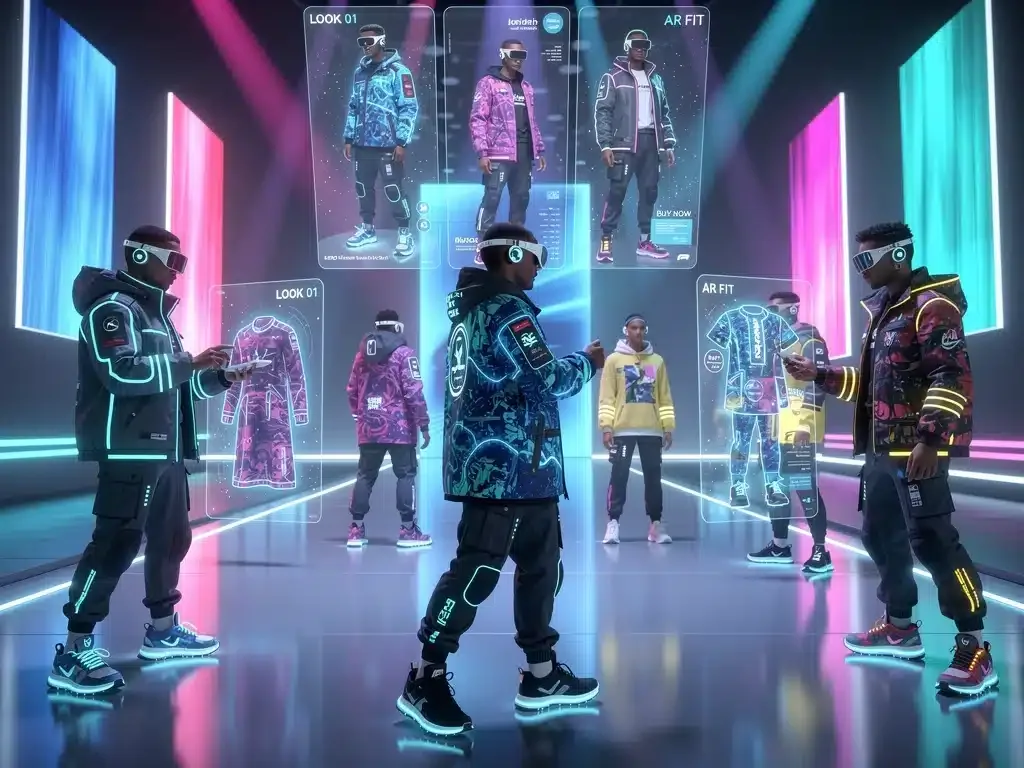
Looking beyond 2026, the integration of NFTs and metaverse fashion into streetwear is expected to deepen, fundamentally altering consumer behavior and brand strategies. We can anticipate a future where digital and physical fashion are inextricably linked, offering hybrid experiences that cater to a new generation of digitally native consumers. The evolution will continue to be rapid and transformative, pushing creative boundaries.
The concept of fashion ownership itself will likely evolve, with digital assets becoming as valuable, if not more so, than their physical counterparts for many. This shift will necessitate new approaches to design, marketing, and community building, emphasizing authenticity and innovation in both realms.
Personalization and Hyper-Real Digital Experiences
The future promises hyper-personalized digital fashion experiences. AI-driven design tools could allow consumers to co-create unique NFT garments that perfectly fit their avatar’s dimensions and personal style. Imagine a world where your digital wardrobe is entirely bespoke, evolving with your mood and virtual activities.
Furthermore, advancements in augmented reality (AR) and virtual reality (VR) will make digital streetwear even more immersive. Users could ‘try on’ digital clothes in their physical environments via AR, or experience virtual fashion shows with unparalleled realism in VR. These technologies will bridge the gap between the digital and physical, creating truly blended fashion experiences.
- AI-Powered Customization: Tools that allow users to generate unique digital clothing based on their preferences and avatar’s characteristics.
- AR/VR Integration: Seamless integration of digital fashion into real-world viewing and immersive virtual experiences.
- Phygital Products: Increased prevalence of physical items bundled with their NFT counterparts, offering dual ownership.
- Decentralized Autonomous Fashion Organizations (DAFOs): Communities that collectively own, design, and govern digital fashion brands.
The streetwear industry, with its inherent adaptability and embrace of new trends, is uniquely positioned to lead this charge. Its focus on community, exclusivity, and cultural relevance translates perfectly into the digital space, ensuring its continued dominance and evolution in the years to come. The digital frontier is not just an add-on; it is the next evolutionary stage for streetwear.
| Key Trend | Brief Description |
|---|---|
| NFTs in Streetwear | Digital collectibles providing verifiable ownership and authenticity for virtual garments, enhancing exclusivity. |
| Metaverse Fashion | Virtual clothing for avatars in 3D digital spaces, allowing boundless design creativity beyond physical limits. |
| Convergence of Digital Assets | NFTs functioning as wearable garments for avatars, bridging collectible art with functional metaverse fashion. |
| New Business Models | Emergence of direct-to-avatar sales, virtual storefronts, and creator economies fostering decentralized fashion. |
Frequently Asked Questions About Digital Streetwear
What are NFTs in the context of streetwear?▼NFTs (Non-Fungible Tokens) in streetwear are unique digital assets representing ownership of virtual garments or accessories. They provide verifiable authenticity and scarcity on the blockchain, mirroring the exclusivity of physical limited-edition drops and offering new avenues for digital collecting and expression.
How does metaverse fashion differ from traditional fashion?▼Metaverse fashion operates in virtual 3D spaces, freeing designers from physical constraints like gravity or material costs. This allows for imaginative, often impossible, designs for digital avatars, focusing on virtual aesthetics and interactive experiences rather than physical wearability or production.
Will physical streetwear disappear due to digital fashion?▼Unlikely. Digital fashion is more likely to complement and enhance physical streetwear rather than replace it. We anticipate a ‘phygital’ future where physical items are often paired with their digital NFT twins, offering a blend of real-world and virtual experiences and expanding consumer engagement.
What are the main benefits for brands engaging with NFTs and the metaverse?▼Brands gain new revenue streams through digital sales, enhanced consumer engagement via unique digital experiences, and expanded market reach to digitally native audiences. It also offers a platform for unparalleled creative freedom and strengthens brand loyalty through exclusive digital communities and offerings.
What challenges face the widespread adoption of metaverse streetwear?▼Key challenges include achieving interoperability across different metaverse platforms for digital assets, addressing the environmental impact of blockchain, simplifying user onboarding for new technologies, and establishing clear digital rights management. These require ongoing innovation and industry collaboration.
Conclusion
The journey of streetwear into the digital frontier, propelled by NFTs and metaverse fashion, is not merely a passing phase but a fundamental evolution of the industry. By 2026, these innovations are set to redefine how we interact with fashion, moving beyond traditional physical boundaries to embrace a world of verifiable digital ownership, limitless creative expression, and dynamic virtual identities. Brands and consumers who adapt to this new paradigm will find themselves at the forefront of a vibrant, interconnected fashion ecosystem, where the lines between the tangible and the virtual continue to blur, creating unprecedented opportunities for style and commerce.