Streetwear Graphics: 2026 T-Shirt & Hoodie Trends Evolve
Advertisements
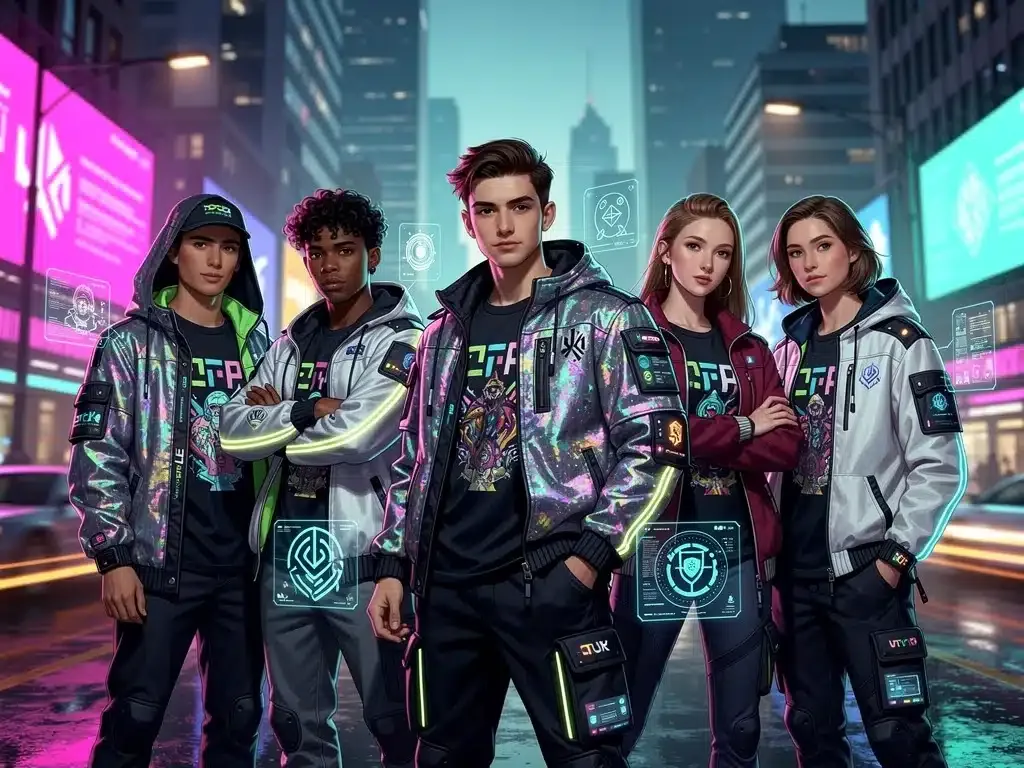
The evolution of streetwear graphics 2026 for T-shirts and hoodies is characterized by a dynamic interplay of digital artistry, cultural narratives, and a strong emphasis on sustainability and individual identity, reshaping urban fashion aesthetics.
The world of urban fashion is in constant flux, a vibrant tapestry woven from cultural shifts, technological advancements, and a relentless pursuit of self-expression. As we venture into early 2026, the evolution of streetwear graphics for T-shirts and hoodies is more dynamic and compelling than ever. This isn’t just about fleeting fads; it’s about a profound reinterpretation of how we communicate identity through apparel, pushing boundaries and setting new benchmarks for creativity in the streetwear landscape.
The Digital Renaissance: AR, AI, and Interactive Graphics
The digital realm continues to exert an unprecedented influence on streetwear design, particularly in the realm of graphics. We are witnessing a full-blown digital renaissance, where the lines between physical garments and virtual experiences are increasingly blurred. This integration is not merely aesthetic; it’s transforming how designs are conceived, perceived, and interacted with by consumers.
Augmented Reality (AR) is moving beyond novelty, becoming a sophisticated tool for enhancing graphic designs. Imagine a T-shirt whose graphic animates or reveals hidden layers when viewed through a smartphone camera. This technology adds an entirely new dimension to personal style, making each garment a dynamic canvas. AI, on the other hand, is revolutionizing the design process, allowing for the creation of intricate, algorithmically generated patterns that would be impossible to craft manually. These AI-driven designs often possess a unique, almost alien beauty, challenging conventional notions of aesthetics.
Interactive Elements and Gamification
- Dynamic Storytelling: Graphics that evolve or change based on wearer interaction or external data, telling a continuous story.
- QR Code Integration: Seamlessly embedded QR codes that link to exclusive content, digital art, or personalized experiences.
- NFC-Enabled Apparel: Near-Field Communication chips allowing for instant digital connections and authentication of limited-edition pieces.
The gamification of streetwear graphics is also gaining traction, turning clothing into an interactive experience. Designs might feature elements that unlock digital rewards, participate in online challenges, or connect wearers within a shared virtual community. This fusion of fashion and technology is not just about looking good; it’s about engaging with your apparel in entirely new ways, fostering a deeper connection between the consumer and the brand. The digital renaissance is setting a new standard for what streetwear graphics 2026 can achieve, making clothing a portal to an expanded reality.
In conclusion, the digital revolution is fundamentally reshaping streetwear graphics. AR, AI, and interactive elements are no longer futuristic concepts but integral components of contemporary design, offering unparalleled opportunities for creativity and consumer engagement. This technological embrace is defining the cutting edge of what’s trending for T-shirts and hoodies.
Sustainable Statements: Eco-Conscious Graphics with a Message
As environmental awareness continues to grow, sustainability has transcended being a mere trend to become a core philosophy within the fashion industry. For streetwear graphics 2026, this translates into designs that not only look good but also communicate a powerful eco-conscious message. Consumers are increasingly seeking authenticity and purpose in their purchases, making sustainable statements a significant driver of design.
Graphics are now being used as platforms for advocacy, featuring intricate illustrations of endangered species, abstract representations of climate change, or powerful slogans promoting responsible consumption. The aesthetics often lean towards earthy tones, organic shapes, and minimalist compositions, reflecting a connection to nature. However, some brands are also opting for bold, almost confrontational graphics to draw attention to urgent environmental issues, using bright colors and stark imagery to make a memorable impact.
Material Innovations and Ethical Production
Beyond the visual message, the commitment to sustainability extends to the materials and production processes of the garments themselves. This holistic approach ensures that the eco-conscious message is consistent from concept to creation.
- Organic Cotton & Recycled Fabrics: Graphics printed on T-shirts and hoodies made from sustainably sourced or recycled materials.
- Water-Based & Eco-Friendly Inks: Utilizing non-toxic inks that minimize environmental impact during the printing process.
- Transparent Supply Chains: Brands highlighting their ethical production practices through graphic elements or QR codes on labels.
The rise of upcycling and repurposing old garments also contributes to this trend. Graphics are often designed to be applied to refurbished clothing, giving new life to existing pieces and reducing textile waste. This approach not only champions sustainability but also fosters a unique, one-of-a-kind aesthetic. The narrative of sustainability is no longer just a backstory; it’s woven directly into the fabric and graphics of streetwear, resonating deeply with a generation of environmentally conscious consumers.
Ultimately, eco-conscious graphics are defining a crucial aspect of streetwear graphics 2026. They serve as a powerful visual language for environmental stewardship, blending artistic expression with a commitment to a healthier planet. This trend is about wearing your values on your sleeve, quite literally.
Nostalgia Remixed: Y2K, Retro Futurism, and Archival Reworks
Nostalgia remains a potent force in fashion, and streetwear graphics 2026 is no exception. However, it’s not a simple rehash of past eras; it’s a sophisticated remix, taking cues from specific cultural moments and reinterpreting them through a contemporary lens. This approach offers both comfort in familiarity and excitement in novelty, appealing to a broad demographic.
The Y2K aesthetic, characterized by its playful, often gaudy, and technologically optimistic vibe, continues to influence T-shirt and hoodie designs. Think iridescent finishes, bubbly fonts, early internet iconography, and pixelated graphics that evoke a sense of digital innocence. Alongside this, retro futurism, particularly from the 70s and 80s, is making a strong comeback. This translates into geometric shapes, bold color palettes, and space-age imagery, reimagined with a modern, sleek edge. It’s a vision of the future as seen from the past, now made relevant for today.
Archival Reworks and Subcultural Homages
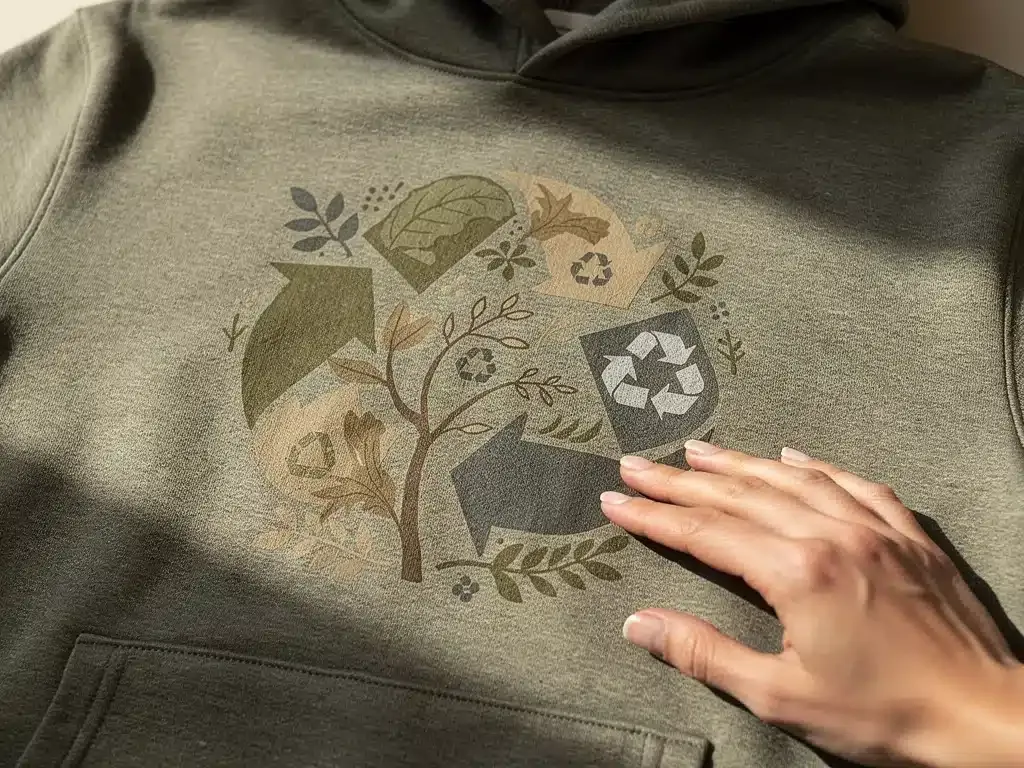
- Brand Heritage Reimagined: Iconic logos and graphics from a brand’s past are being reinterpreted with modern typography and color schemes.
- Subcultural Callbacks: Visual references to specific music genres (e.g., grunge, rave, hip-hop’s golden age) or skate culture are subtly integrated.
- Vintage Advertising Aesthetics: Graphics mimicking old advertisements, concert posters, or movie flyers, often with a distressed or aged effect.
Another fascinating aspect of this trend is the concept of archival reworks. Brands are delving into their own histories, pulling out forgotten designs or classic elements and giving them a contemporary twist. This not only celebrates brand heritage but also creates a sense of exclusivity and storytelling around each piece. Homages to subcultures, from punk to early hip-hop, are also prevalent, with designers drawing inspiration from their distinctive visual languages. The key is not to merely replicate but to infuse these nostalgic elements with fresh energy and relevance, ensuring they resonate with today’s fashion-forward consumer. The nostalgic remix ensures that streetwear graphics 2026 feels both timeless and cutting-edge.
In essence, the nostalgic remix trend for streetwear graphics 2026 is about celebrating the past while firmly looking to the future. It’s a sophisticated blend of familiar aesthetics with contemporary sensibilities, creating designs that are both comforting and exciting.
Personalized Expression: Customization and Unique Identity
In an increasingly digitized and mass-produced world, the desire for individuality and unique expression has never been stronger. This fundamental human need is driving a significant trend in streetwear graphics 2026: the demand for personalized and customizable designs. Consumers are no longer content with off-the-rack uniformity; they want garments that tell their personal story.
This trend manifests in various forms, from brands offering platforms for customers to design their own graphics to limited-edition drops that emphasize exclusivity. Customization can range from choosing specific colors and fonts for a pre-existing design to uploading entirely unique artwork. The emphasis is on empowerment, allowing the wearer to become a co-creator in the fashion process, resulting in garments that truly reflect their personality and values.
DIY Aesthetics and Artisanal Touches
- Modular Graphics: Designs composed of interchangeable elements, allowing wearers to reconfigure and personalize their look.
- Hand-Painted & Embroidered Details: Incorporation of artisanal touches that make each piece unique and highlight craftsmanship.
- Patchwork & Deconstruction: Graphics integrated into garments that feature varied textures and materials, emphasizing a handmade, DIY aesthetic.
The DIY (Do It Yourself) aesthetic is also gaining prominence, with graphics often appearing raw, unfinished, or intentionally imperfect. This embraces a sense of authenticity and rebellion against polished perfection. Artisanal touches, such as hand-painted details, intricate embroidery, or unique fabric treatments, elevate standard graphics into wearable art. These elements add a layer of personal connection and craftsmanship that mass-produced items often lack. The appeal lies in owning something that feels truly one-of-a-kind, a piece that stands out in a sea of similar styles. This shift towards personalized expression means that streetwear graphics 2026 is becoming less about following trends and more about forging individual paths.
Ultimately, personalized expression is a cornerstone of current streetwear graphic trends. It underscores a desire for individuality and self-creation, transforming ordinary garments into powerful statements of personal identity and artistic flair.
Narrative-Driven Designs: Storytelling Through Visuals
Beyond aesthetics, streetwear graphics 2026 are increasingly focused on storytelling. Designs are no longer just images; they are narratives, inviting wearers and observers to delve deeper into their meaning. This trend taps into our innate human desire for connection and understanding, making clothing a medium for conveying complex ideas and cultural commentaries.
These narrative-driven designs often draw inspiration from diverse sources: mythology, historical events, social justice movements, personal experiences, and even philosophical concepts. The graphics can be subtle and abstract, requiring careful interpretation, or overtly explicit, making a clear statement. The key is that each design carries a story, adding layers of depth and resonance to the garment. This approach transforms a simple T-shirt or hoodie into a conversation starter, a piece of wearable art that provokes thought and dialogue.
Cultural Commentary and Abstract Symbolism
Many narrative graphics serve as powerful cultural commentaries, reflecting on contemporary issues, societal shifts, or political landscapes. They can be satirical, celebratory, or critical, offering a unique perspective on the world around us. Abstract symbolism is also heavily utilized, allowing for multiple interpretations and a more universal appeal.
- Mythological & Folkloric Motifs: Graphics inspired by ancient myths, legends, and folklore, reinterpreted for a modern context.
- Social & Political Statements: Designs that address current events, champion causes, or critique societal norms.
- Autobiographical Elements: Artists and designers incorporating personal stories, memories, or dreams into their graphic work.
The use of sequential graphics, where a series of garments tells a larger story or forms part of a collection, is also a notable aspect of this trend. This encourages collectors and fosters a deeper engagement with the brand’s creative vision. Furthermore, collaborations between artists and brands often result in some of the most compelling narrative-driven graphics, blending distinct artistic voices into a cohesive visual story. These designs challenge the viewer to look beyond the surface, engaging with the deeper meanings embedded within the fabric. The power of storytelling ensures that streetwear graphics 2026 remains relevant and thought-provoking.
In summary, narrative-driven designs are elevating streetwear graphics beyond mere decoration. By embedding stories and cultural commentaries, these designs foster deeper connections and transform clothing into a potent medium for communication and artistic expression.
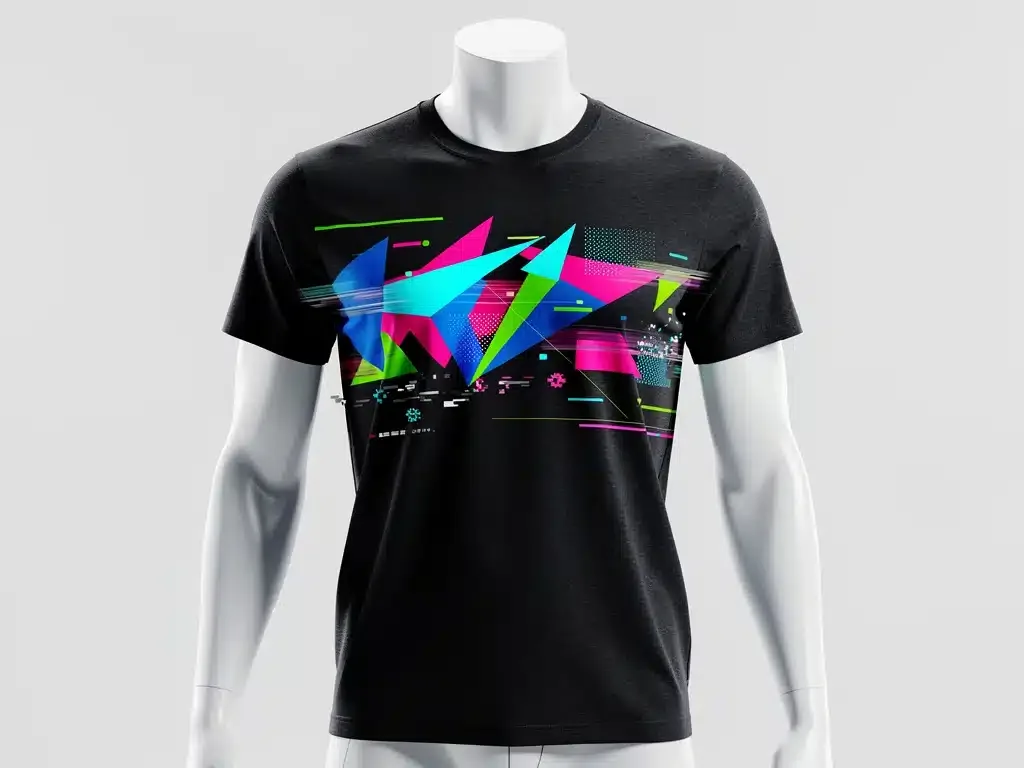
Minimalist Futurism: Clean Lines and Subtle Statements
While bold and intricate designs dominate much of the streetwear landscape, a counter-trend of minimalist futurism is steadily gaining ground for streetwear graphics 2026. This aesthetic prioritizes clean lines, subtle statements, and a refined sense of sophistication. It’s about making an impact through understatement, focusing on precision and thoughtful design rather than overt extravagance.
Minimalist futurism in graphics often features monochrome palettes, geometric shapes, and typography that is sleek and modern. The designs might incorporate subtle holographic elements, reflective materials, or discreet textural variations that catch the light and reveal details upon closer inspection. The overall effect is one of understated elegance, a quiet confidence that stands apart from more boisterous styles. This approach appeals to consumers who appreciate refined aesthetics and a sense of timelessness within the ever-evolving streetwear scene.
Strategic Placement and Textural Play
The placement of graphics becomes paramount in minimalist futurism. Instead of large, central designs, graphics might be strategically placed on sleeves, collars, or the lower hem, creating unexpected focal points. This deliberate positioning adds to the sophisticated appeal.
- Precise Typographic Logos: Clean, often small, brand logos or statements rendered in modern, sans-serif fonts.
- Subtle Embossing & Debossing: Graphics created through textural changes on the fabric rather than color, for a tactile experience.
- Monochromatic Layering: Using different shades of a single color to create depth and subtle graphic elements.
Textural play is another key component, where the graphic isn’t just about the printed image but also how it interacts with the fabric. This could involve subtle embossing, debossing, or the use of innovative materials that give the graphic a three-dimensional quality without being overly conspicuous. The beauty of minimalist futurism lies in its attention to detail and its ability to communicate a strong aesthetic without shouting. It’s a testament to the idea that sometimes, less is indeed more. This sophisticated approach ensures that streetwear graphics 2026 caters to a diverse range of stylistic preferences, including those who prefer a more refined urban look.
Ultimately, minimalist futurism offers a fresh perspective on streetwear graphics, emphasizing clean design, strategic placement, and subtle textural details. It proves that powerful statements can be made through understated elegance, defining a sophisticated niche within the broader streetwear movement.
The Global Influence: Cross-Cultural Aesthetics and Hybrid Designs
Streetwear has always been a global phenomenon, but in early 2026, the influence of diverse cultures on graphic design is more pronounced and integrated than ever. We are moving beyond superficial appropriation towards a more respectful and innovative fusion of aesthetics. This trend reflects the interconnectedness of our world, where ideas and styles flow freely across borders, resulting in truly hybrid and captivating designs for streetwear graphics 2026.
Designers are drawing inspiration from traditional art forms, calligraphy, folklore, and iconography from various cultures, blending them with modern streetwear sensibilities. This can involve intricate patterns reminiscent of African textiles, bold brushstrokes inspired by East Asian art, or symbolic imagery rooted in indigenous traditions. The result is a rich tapestry of visual language that feels both familiar and exotic, pushing the boundaries of conventional graphic design. This cross-cultural exchange enriches the visual vocabulary of streetwear, offering fresh perspectives and unique narratives.
Collaborations and Artistic Exchange
Key to this global influence are collaborations between designers and artists from different cultural backgrounds, fostering authentic artistic exchange and ensuring cultural appreciation rather than appropriation.
- Traditional Motifs with Modern Twists: Ancient symbols or patterns reinterpreted with contemporary graphic techniques and color palettes.
- Multilingual Typography: Incorporating text in multiple languages, celebrating linguistic diversity and global communication.
- Folklore & Mythology Fusion: Blending narrative elements from different cultural mythologies into a cohesive graphic story.
The internet and social media play a crucial role in disseminating these global influences, allowing designers to discover and be inspired by art forms from every corner of the world. This accessibility leads to a more diverse and inclusive design landscape. Furthermore, the rise of international streetwear brands and designers means that local aesthetics are gaining global recognition, influencing trends far beyond their origins. The beauty of this trend lies in its ability to celebrate diversity, create dialogue, and forge new visual languages that speak to a global audience. The global influence ensures that streetwear graphics 2026 is a truly international art form, reflecting the rich tapestry of human creativity.
In essence, the global influence on streetwear graphics 2026 is creating a vibrant melting pot of styles and narratives. By embracing cross-cultural aesthetics and fostering genuine artistic exchange, designers are crafting hybrid designs that resonate with a diverse and interconnected global audience.
| Key Trend | Brief Description |
|---|---|
| Digital Renaissance | Integration of AR, AI, and interactive elements for dynamic, evolving graphic designs. |
| Sustainable Statements | Eco-conscious graphics, organic materials, and ethical production promoting environmental awareness. |
| Nostalgia Remixed | Contemporary reinterpretation of Y2K, retro futurism, and archival designs. |
| Personalized Expression | Customization options, DIY aesthetics, and artisanal touches for unique identity. |
Frequently Asked Questions About Streetwear Graphics in 2026
What role does AI play in streetwear graphic design for 2026?▼AI is becoming crucial for generating complex, unique patterns and assisting designers in concept development. It allows for algorithmic designs that push creative boundaries, enabling more intricate and innovative graphics than traditional methods. AI also helps predict trends based on data, refining design choices.
How are sustainable practices influencing hoodie and T-shirt graphics?▼Sustainable practices lead to graphics that convey eco-conscious messages, often using organic motifs, environmental slogans, or abstract representations of nature. Furthermore, the use of eco-friendly inks and sustainable fabrics like organic cotton or recycled materials is becoming a standard, aligning the design with ethical production.
Are nostalgic trends like Y2K still relevant in early 2026 streetwear?▼Yes, nostalgic trends, particularly Y2K and retro futurism, remain highly relevant. They are not simply replicated but remixed with contemporary elements, offering a fresh take on familiar aesthetics. This blend provides both comfort and novelty, appealing to a wide audience seeking a connection to past eras.
What does personalized expression mean for streetwear graphic trends?▼Personalized expression in streetwear graphics signifies a strong demand for unique, customizable designs. Consumers want to co-create their apparel, choosing elements or even submitting their own art. This trend emphasizes individuality, DIY aesthetics, and artisanal touches, making each garment a personal statement.
How do global influences shape streetwear graphic designs in 2026?▼Global influences are leading to cross-cultural aesthetics, blending traditional art forms, calligraphy, and iconography from diverse regions with modern streetwear sensibilities. This fosters hybrid designs and promotes authentic artistic exchange, creating a rich visual language that resonates with a global audience.
Conclusion
The landscape of streetwear graphics 2026 is a vibrant testament to fashion’s continuous evolution, driven by a powerful blend of technological innovation, cultural consciousness, and individual expression. From the interactive possibilities offered by AR and AI to the profound messages embedded in sustainable and narrative-driven designs, and from the comforting embrace of remixed nostalgia to the refined elegance of minimalist futurism, the trends are diverse and deeply impactful. The increasing global influence further enriches this tapestry, creating a truly interconnected and dynamic visual language. As we move forward, streetwear graphics will continue to serve as a crucial canvas for self-identity, social commentary, and artistic exploration, ensuring that T-shirts and hoodies remain at the forefront of urban style.