Makeup for Mature Skin: 7 Techniques for Beauty After 50 in the US
Advertisements
Mastering makeup for mature skin involves strategic product choices and application techniques that enhance natural beauty, addressing common concerns like fine lines and dryness to achieve a radiant, youthful appearance.
As we gracefully navigate the journey of aging, our skin undergoes various changes, and our approach to beauty naturally evolves. For women over 50 in the US, finding the right
makeup for mature skin isn’t about masking these changes, but rather celebrating and enhancing natural beauty. This guide will explore seven transformative techniques designed to help you achieve a radiant, confident look that truly reflects your inner vibrancy.
Advertisements
Understanding Mature Skin: The Canvas for Your Artistry
Before diving into specific makeup techniques, it’s crucial to understand the unique characteristics of mature skin. As we age, our skin tends to become drier, thinner, and may exhibit more prominent fine lines and wrinkles. Loss of elasticity can also change facial contours. Recognizing these aspects allows us to select products and application methods that work harmoniously with our skin, rather than against it.
The goal is not to try and reverse time, but to embrace the beauty of experience and wisdom. Our makeup routine should focus on hydration, luminosity, and gentle enhancement, creating an overall effect that is fresh and sophisticated. Heavy, matte, or overly shimmery products can often settle into fine lines, accentuating them rather than disguising them. Therefore, a lighter touch and thoughtful product selection are paramount.
The Science Behind Skin Aging and Makeup
Understanding why skin changes is the first step toward effective makeup application. Collagen and elastin production decreases, leading to reduced firmness. Cell turnover slows, resulting in a duller complexion. Additionally, sun exposure over the years can cause hyperpigmentation, such as age spots. These factors necessitate a shift in product formulations and application techniques to ensure makeup looks seamless and flattering.
- Reduced Collagen and Elastin: Leads to loss of firmness and increased fine lines.
- Slower Cell Turnover: Can make skin appear dull and less radiant.
- Decreased Oil Production: Results in drier skin, requiring more hydrating products.
- Sun Damage: Contributes to uneven skin tone and texture.
By acknowledging these physiological changes, we can make informed decisions about our beauty regimen. The right skincare foundation, coupled with appropriate makeup choices, can make a significant difference in how makeup settles on and interacts with mature skin. It’s about working with your skin’s current state, not fighting against it.
Technique 1: Hydration First – The Foundation of Flawless Makeup
The most vital step for successful makeup on mature skin begins long before you even pick up a brush: proper hydration. Mature skin often lacks the natural moisture it once had, making it prone to dryness and making makeup look patchy or settled into fine lines. A well-hydrated canvas is essential for any makeup product to glide on smoothly and appear natural.
Start with a rich, nourishing moisturizer specifically formulated for mature skin. Look for ingredients like hyaluronic acid, ceramides, and glycerin, which help to attract and retain moisture. Applying a hydrating primer after your moisturizer can further create a smooth base, blurring imperfections and extending the wear of your makeup. This step ensures that your skin looks plump and dewy, providing an ideal surface for subsequent product application.
Choosing the Right Hydrating Products
The market offers a vast array of hydrating products. For mature skin, it’s beneficial to opt for creams over lotions, as they tend to be richer and more emollient. Serums containing potent hydrating agents can also be incredibly effective when applied before your moisturizer. Don’t forget the eye area, which is often the first to show signs of aging and requires dedicated hydration with a good eye cream.
- Hydrating Serums: Look for hyaluronic acid, vitamin E, and niacinamide.
- Rich Moisturizers: Opt for cream-based formulas with ceramides and peptides.
- Nourishing Primers: Choose primers that offer hydration and a blurring effect.
- Eye Creams: Select formulas designed to hydrate and plump the delicate skin around the eyes.
Remember, consistency is key. Incorporating these hydrating steps into your daily routine, both morning and night, will significantly improve your skin’s texture and prepare it for makeup. This technique not only makes your makeup look better but also contributes to overall skin health and resilience.
Technique 2: Lightweight Foundation and Concealer for a Seamless Finish
Gone are the days of heavy, full-coverage foundations that can settle into fine lines and look mask-like on mature skin. The second key technique for
makeup for mature skin is to embrace lightweight, luminous formulas that provide coverage without sacrificing a natural appearance. Tinted moisturizers, BB creams, CC creams, or light-to-medium coverage liquid foundations are ideal choices.
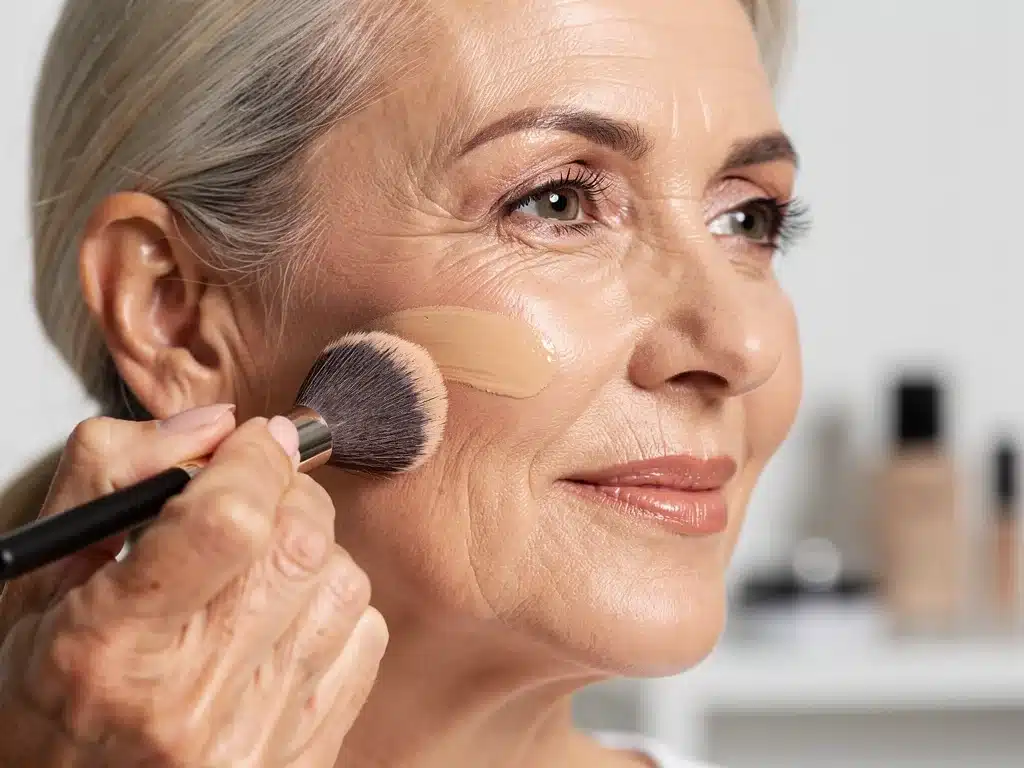
When applying foundation, use a damp beauty blender or a soft brush to buff the product into the skin, ensuring an even and seamless finish. Focus on areas that need more coverage, such as around the nose or chin, and blend outwards. For concealer, choose a creamy, hydrating formula that matches your skin tone. Apply it sparingly to areas like under-eye circles or blemishes, gently tapping it in with your ring finger to avoid pulling the delicate skin.
Selecting the Right Formulas and Application Tools
The wrong foundation or concealer can instantly age your look. Avoid matte finishes, which can emphasize dryness and fine lines. Instead, seek out foundations labeled as ‘luminous,’ ‘hydrating,’ or ‘dewy.’ For concealer, steer clear of thick, pasty formulas that can crease easily. Liquid or cream concealers with light-reflecting properties work best.
- Foundation Choices: Tinted moisturizers, BB/CC creams, sheer liquid foundations.
- Concealer Criteria: Hydrating, creamy, light-reflecting formulas.
- Application Tools: Damp beauty sponges for a natural finish, soft synthetic brushes for blending.
- Color Matching: Always test shades in natural light to ensure a perfect match for your neck and face.
Remember, less is often more when it comes to base makeup on mature skin. The goal is to even out skin tone and subtly blur imperfections, allowing your natural skin to shine through. This approach creates a fresh, youthful glow that is both sophisticated and effortless.
Technique 3: Defining Eyes with Softness and Lift
The eyes are often the focal point of the face, and enhancing them gracefully is a crucial aspect of
makeup for mature skin. As we age, eyelids may become a little hooded, and lashes can thin. The key here is to create definition and a subtle lift without using harsh lines or heavy products that can drag the eyes down.
Start by using an eyeshadow primer to create a smooth base and prevent creasing. Opt for neutral, matte, or satin eyeshadows in shades like taupe, soft browns, or muted grays. Apply a lighter shade on the lid and a slightly deeper shade in the crease to add dimension. Avoid excessive shimmer, especially on the brow bone, as it can highlight texture. For eyeliner, choose a soft pencil or gel liner in brown or charcoal instead of harsh black, and apply it thinly along the upper lash line, extending slightly upwards at the outer corner for a subtle lift.
Enhancing Lashes and Brows
Brows frame the face and can make a huge difference in creating a more youthful appearance. Fill in sparse areas with a brow pencil or powder that matches your natural brow color, using short, hair-like strokes. For lashes, an eyelash curler is your best friend, opening up the eyes instantly. Follow with a volumizing or lengthening mascara, focusing on the top lashes. Avoid clumpy formulas that can make lashes look brittle.
- Eyeshadows: Matte or satin neutrals (taupe, soft browns, muted grays).
- Eyeliner: Soft pencils or gel liners in brown/charcoal, applied thinly.
- Mascara: Volumizing or lengthening, focusing on upper lashes after curling.
- Brows: Fill in with pencil or powder, matching natural hair color, using light strokes.
By focusing on soft definition, subtle lifts, and well-groomed brows, you can create an eye look that is elegant, open, and youthful, without appearing overdone. These techniques celebrate the beauty of your eyes, drawing attention to their natural charm.
Technique 4: Adding Color and Dimension with Blush and Bronzer
As we mature, our skin can sometimes lose some of its natural flush and vibrancy. This is where blush and bronzer become invaluable tools in your
makeup for mature skin arsenal. They add warmth, health, and dimension back to the face, creating a more youthful and lively appearance.
For blush, cream or liquid formulas are often preferred over powders, as they blend seamlessly into mature skin without emphasizing texture. Choose soft, natural shades like peach, rose, or soft berry. Apply blush to the apples of your cheeks and blend upwards towards the temples for a lifting effect. For bronzer, select a matte or satin finish that is one or two shades darker than your natural skin tone. Apply it lightly to areas where the sun would naturally hit, such as the forehead, cheekbones, and bridge of the nose, to create a healthy glow.
Strategic Placement for a Youthful Lift
The placement of blush and bronzer is crucial for mature skin. Instead of applying blush directly on the hollows of your cheeks, which can drag the face down, focus on the highest points of your cheekbones. Similarly, bronzer should be applied with a light hand to avoid creating harsh lines or an unnatural, muddy look. The goal is to mimic a natural, sun-kissed glow.
- Blush Formulas: Cream or liquid blushes for a natural, dewy finish.
- Blush Shades: Peach, rose, soft berry to complement natural skin tones.
- Blush Application: Apply to apples of cheeks, blending upwards towards temples.
- Bronzer Type: Matte or satin finish, one to two shades darker than skin.
- Bronzer Placement: Lightly on forehead, cheekbones, and bridge of nose.
These techniques help restore a youthful vitality to the complexion, adding a healthy flush and subtle contour that enhances your facial structure. The result is a natural, radiant look that appears effortlessly beautiful.
Technique 5: Lip Definition and Hydration for a Fuller Pout
Our lips also undergo changes with age, often losing some of their natural fullness and definition, and fine lines can appear around the mouth. The fifth technique for
makeup for mature skin focuses on restoring definition and hydration to the lips, making them appear fuller and more youthful without looking overdone.
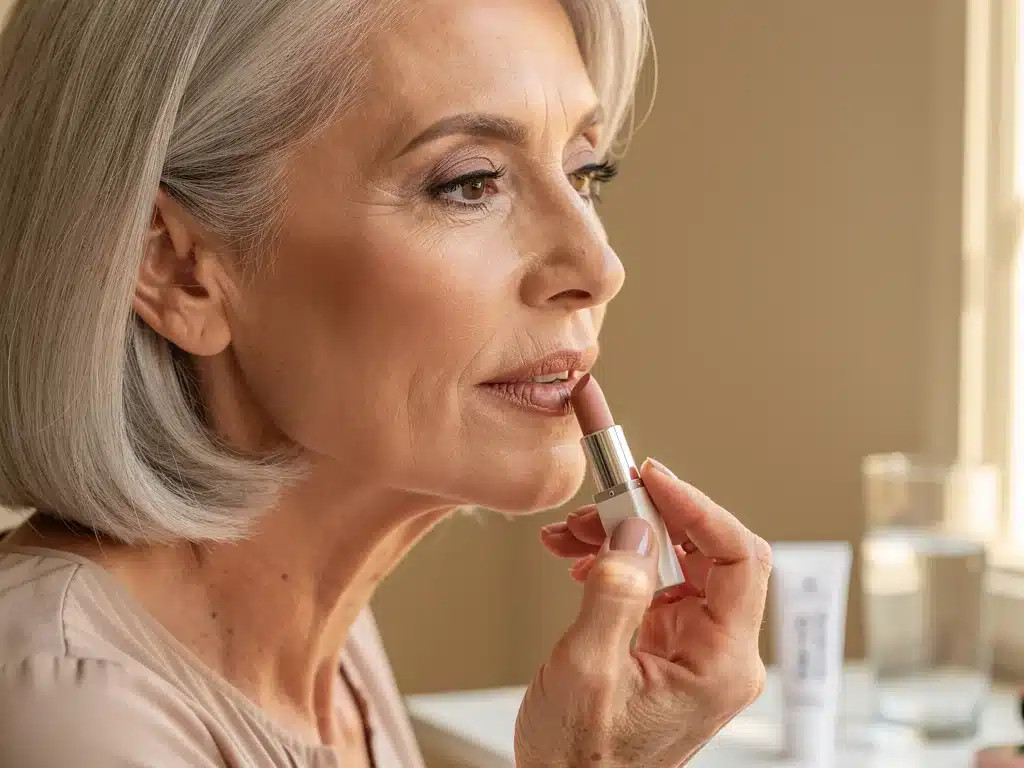
Start by gently exfoliating your lips to remove any dry flakes, creating a smooth canvas. Then, apply a hydrating lip balm. For definition, use a lip liner that closely matches your natural lip color or the lipstick you plan to use. Outline your lips just outside your natural lip line to create the illusion of fullness, then lightly fill them in with the liner to create a base for your lipstick. Choose creamy, hydrating lipsticks or tinted balms in soft, flattering shades like rose, berry, or nude. Avoid overly dark or matte lipsticks, which can make lips appear thinner.
Product Selection for Healthy, Defined Lips
The texture and finish of lip products are especially important for mature lips. Glossy or satin finishes tend to be more flattering than matte, as they reflect light and give the illusion of plumpness. Look for lipsticks enriched with moisturizing ingredients like shea butter, vitamin E, or hyaluronic acid to keep lips soft and prevent feathering.
- Lip Preparation: Exfoliate and hydrate with a rich lip balm.
- Lip Liner: Match natural lip color or lipstick, outline just outside the lip line.
- Lipstick Formulas: Creamy, hydrating, satin, or glossy finishes.
- Lipstick Shades: Soft roses, berries, and nudes are universally flattering.
- Avoid: Dark, heavy matte lipsticks that can make lips look smaller.
By focusing on hydration, subtle definition, and flattering colors, you can achieve a beautiful, natural-looking pout that complements your overall makeup and enhances your facial features. This technique ensures your lips look healthy, vibrant, and perfectly polished.
Technique 6: Setting Makeup Strategically for Longevity
While a heavy dusting of powder can settle into fine lines, strategic setting is still important for ensuring your
makeup for mature skin lasts throughout the day. The sixth technique involves using setting products wisely to lock in your look without compromising the natural, radiant finish you’ve worked to achieve.
Instead of applying powder all over your face, focus on areas that tend to get oily or where makeup might crease, such as the T-zone (forehead, nose, and chin) and lightly under the eyes. Use a translucent, finely milled setting powder applied with a fluffy brush or a damp beauty sponge. Gently press the powder into the skin rather than sweeping it, which can disturb your base. A hydrating setting spray can also be a wonderful addition, melting powders into the skin and providing a dewy finish while extending wear.
Choosing the Right Setting Products
The type of setting product you choose makes a significant difference. Avoid powders with a heavy, chalky finish, as these can make mature skin look dull and dry. Look for ‘invisible,’ ‘HD,’ or ‘hydrating’ setting powders. Setting sprays that offer a luminous or dewy finish are excellent for mature skin, providing a refreshing boost of hydration.
- Setting Powder: Translucent, finely milled, applied sparingly to oily areas.
- Application Method: Pressing with a fluffy brush or damp sponge.
- Setting Spray: Hydrating or luminous formulas to refresh and set.
- Avoid: Heavy, matte powders that can emphasize dryness and lines.
Strategic setting ensures your makeup stays put without looking heavy or caked. It’s about maintaining that fresh, radiant glow while ensuring your hard work lasts from morning to evening. This technique provides the perfect finishing touch to your refined makeup look.
Technique 7: Embracing Natural Light and Smart Lighting for Application
The final, yet often overlooked, technique for mastering
makeup for mature skin is to pay close attention to the lighting in which you apply your makeup. Applying makeup in poor or artificial lighting can lead to over-application, harsh lines, and colors that don’t translate well in natural daylight.
Always strive to apply your makeup in natural light, if possible, facing a window. This allows you to see how your makeup truly looks and ensures you blend seamlessly. If natural light isn’t available, invest in a good quality vanity mirror with adjustable LED lighting that simulates natural daylight. Avoid overhead lighting, which can cast shadows and make you apply too much product, especially foundation and concealer. Good lighting is your best tool for achieving a polished, natural finish.
The Impact of Lighting on Your Final Look
Different types of light can drastically alter how makeup appears. Yellow-toned light can make you apply too much blush or bronzer, while cool-toned light can lead to over-application of foundation. Natural daylight provides the most accurate reflection of your makeup, allowing you to see if your foundation matches your neck, if your blush is blended, and if your eyeshadow is subtle enough.
- Natural Daylight: Ideal for application, facing a window.
- LED Vanity Mirrors: Simulate natural light, adjustable brightness.
- Avoid: Overhead lighting, yellow-toned, or cool-toned artificial lights.
- Check: Foundation matching, seamless blending, and subtle color application.
By being mindful of your lighting conditions, you can ensure that your makeup looks flawless and natural in any setting. This technique empowers you to create a look that is consistently beautiful and confidently worn, reflecting your true self.
| Key Technique | Brief Description |
|---|---|
| Hydration First | Crucial for smooth application and preventing makeup from settling into lines. |
| Lightweight Base | Opt for sheer, hydrating foundations and concealers for a natural finish. |
| Soft Eye Definition | Use neutral shadows and soft liners to gently lift and define eyes without harshness. |
| Lip Hydration & Definition | Exfoliate, hydrate, and use creamy formulas for a fuller, more youthful pout. |
Frequently Asked Questions About Makeup for Mature Skin
For mature skin, lightweight, hydrating, and luminous liquid foundations, BB creams, or CC creams are ideal. These formulas provide coverage without settling into fine lines and offer a dewy, natural finish, which is more flattering than heavy, matte options that can emphasize dryness.
While excessive shimmer can highlight texture and fine lines, a subtle satin or finely milled shimmer on the center of the eyelid can add a touch of luminosity without being problematic. It’s best to avoid chunky glitter or very frosty finishes, especially near the brow bone or outer corner of the eye.
To make lips appear fuller, start by exfoliating and hydrating them. Use a lip liner that matches your natural lip color or lipstick to slightly overline your lips. Choose creamy, satin, or glossy lipsticks in medium shades (roses, berries, nudes) to reflect light and create the illusion of plumpness.
Powder is not always necessary for all mature skin, but it can be beneficial. Use a finely milled, translucent setting powder sparingly, focusing only on areas that tend to get oily or crease, such as the T-zone and under the eyes. Avoid heavy application to prevent emphasizing dryness or lines.
For mature skin, soft and natural blush shades like peach, rose, and soft berry are highly flattering. Cream or liquid blushes are often preferred as they blend seamlessly and provide a dewy finish, restoring a healthy, youthful flush to the complexion without looking chalky.
Conclusion: Embracing Your Radiance
Navigating the world of
makeup for mature skin after 50 in the US is an empowering journey of self-discovery and enhancement. By focusing on hydration, choosing lightweight formulas, and employing strategic application techniques, you can highlight your best features and present a polished, confident image. Remember, makeup is a tool for expression and celebration, not concealment. Embrace these seven techniques to unlock your natural radiance, allowing your inner beauty and wisdom to shine through with every perfectly applied touch. Your beauty evolves, and so should your makeup – always in a way that honors your unique and magnificent self.