Achieving Flawless Skin: US Dermatologist-Approved Oily Skin Routine
Advertisements

A 5-step US dermatologist-approved routine for oily skin focuses on gentle cleansing, targeted treatments, proper hydration, and sun protection to effectively manage oil production and achieve a clearer, more balanced complexion.
Are you tired of battling shine, breakouts, and enlarged pores? Achieving Flawless Skin: A 5-Step US Dermatologist-Approved Routine for Oily Skin is not just a dream; it’s an attainable reality with the right approach. This comprehensive guide, informed by leading dermatological experts in the United States, will equip you with the knowledge and steps needed to transform your complexion and embrace healthy, balanced skin.
Understanding Oily Skin: More Than Just Shine
Before diving into any routine, it’s crucial to understand the unique characteristics of oily skin. This skin type is defined by an overproduction of sebum, the natural oil produced by your sebaceous glands. While sebum is essential for keeping skin moisturized and protected, an excess can lead to a host of common concerns, including a shiny appearance, enlarged pores, and a higher propensity for acne breakouts. Many people with oily skin often make the mistake of over-drying their skin, which can ironically trigger even more oil production. The key lies in balance, not stripping.
Understanding the root causes of oiliness is the first step towards effective management. Genetics play a significant role, meaning if your parents have oily skin, you likely will too. Hormonal fluctuations, often seen during puberty, menstruation, pregnancy, or stress, can also stimulate sebum glands. Additionally, certain environmental factors like humidity, diet, and even the wrong skincare products can exacerbate oiliness. Recognizing these factors helps in tailoring a routine that addresses not only symptoms but also potential triggers.
The Science Behind Sebum Overproduction
Sebaceous glands, located within the skin’s dermis, are responsible for producing sebum. This oily, waxy substance lubricates the skin and hair, forming a protective barrier against moisture loss and external aggressors. However, when these glands become overactive, they produce too much sebum, leading to the characteristic shine and greasy feel of oily skin. This excess sebum can mix with dead skin cells and bacteria, clogging pores and creating an ideal environment for acne to thrive. Inflammation often accompanies these breakouts, leading to redness and post-inflammatory hyperpigmentation.
- Hormonal Influence: Androgens, male hormones present in both men and women, directly stimulate sebum production. Fluctuations in these hormones are a primary driver of oily skin.
- Genetic Predisposition: If your family members have oily skin, you are more likely to inherit this trait.
- Environmental Factors: High humidity and hot climates can increase sweat and oil production, making skin feel oilier.
- Dietary Considerations: While direct links are debated, some studies suggest high-glycemic foods and dairy might influence sebum production in certain individuals.
It’s important to differentiate between naturally oily skin and skin that becomes oily due to improper care. Over-washing with harsh cleansers, using alcohol-based toners, or skipping moisturizer can strip the skin of its natural oils, prompting the sebaceous glands to produce even more sebum in an attempt to compensate. This rebound oiliness can be a frustrating cycle, highlighting the need for a gentle, yet effective, skincare approach. A dermatologist can help assess the underlying causes and recommend personalized strategies.
In conclusion, oily skin is a common concern driven by a combination of genetic, hormonal, and environmental factors. Effective management requires a nuanced understanding of these influences and a commitment to a balanced skincare routine that addresses excess sebum without compromising the skin’s natural barrier function. The goal is to regulate oil production, minimize breakouts, and promote a clear, healthy complexion.
Step 1: The Gentle Cleanse – Foundation of Flawless Skin
The first and arguably most critical step in any skincare routine, especially for oily skin, is cleansing. Many people with oily skin believe that harsh scrubbing or strong, stripping cleansers are the answer to removing excess oil. However, this approach can backfire dramatically. Over-cleansing can irritate the skin, disrupt its natural barrier, and paradoxically trigger even greater oil production as the skin attempts to compensate for the perceived dryness. The key is to choose a gentle, yet effective, cleanser that removes impurities without stripping essential moisture.
A US dermatologist-approved approach emphasizes using a cleanser twice daily: once in the morning to remove overnight accumulation of oil and dead skin cells, and once in the evening to wash away makeup, sunscreen, dirt, and environmental pollutants. Consistency is more important than intensity when it comes to cleansing. Look for formulations that are specifically designed for oily or acne-prone skin, as these often contain beneficial ingredients that help manage oil without causing irritation.
Choosing the Right Cleanser for Oily Skin
When selecting a cleanser, focus on ingredients that can help regulate sebum and prevent clogged pores. Salicylic acid (BHA) is a popular choice because it’s oil-soluble, allowing it to penetrate into the pores and exfoliate from within, effectively dissolving sebum and dead skin cells. Benzoyl peroxide is another effective ingredient, particularly for acne-prone oily skin, as it kills acne-causing bacteria and helps shed dead skin cells. However, benzoyl peroxide can be drying, so it should be used judiciously, perhaps in a lower concentration or alternating with a gentler cleanser.
- Salicylic Acid Cleansers: Ideal for daily use, helps exfoliate pores and reduce blackheads and whiteheads.
- Gentle Foaming Cleansers: Effectively remove oil and impurities without leaving the skin feeling tight or dry.
- Micellar Water (for light cleansing/makeup removal): A good option for a first cleanse to remove makeup before a more thorough wash.
- Sulfate-Free Formulas: Avoid harsh sulfates that can strip the skin and cause irritation.
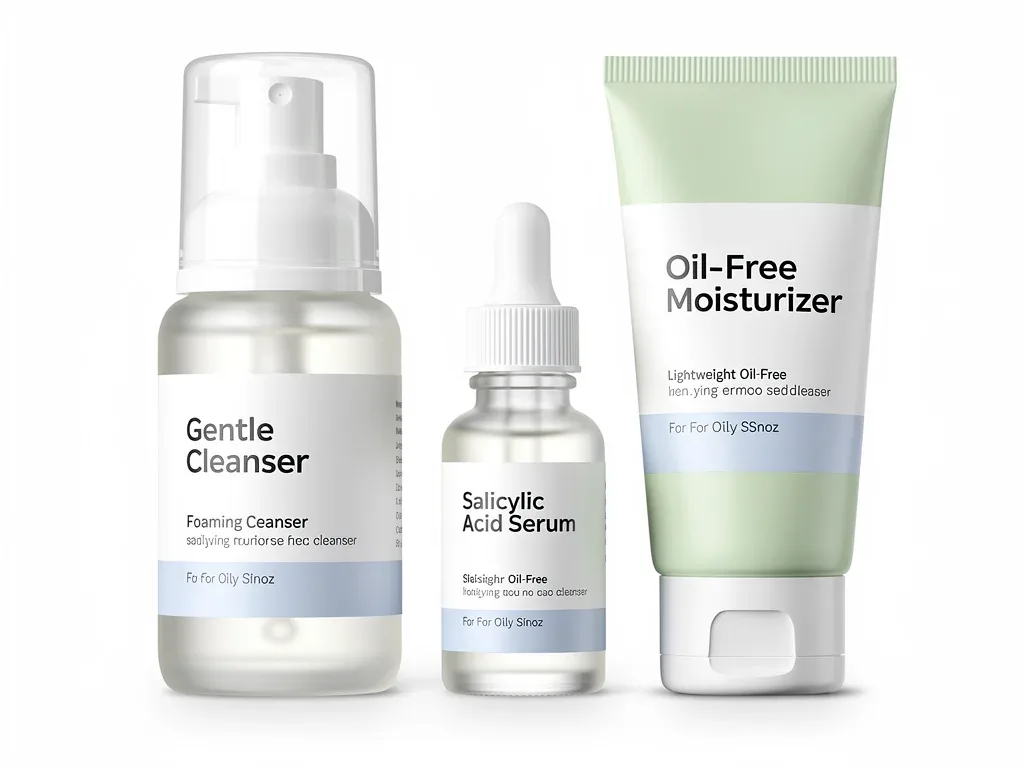
Remember to apply your cleanser with lukewarm water, as hot water can strip the skin and cold water may not effectively dissolve oil. Gently massage the cleanser onto your face for about 30-60 seconds, ensuring thorough coverage, especially in oilier areas like the T-zone. Rinse thoroughly until no residue remains and pat your face dry with a clean, soft towel. Avoid rubbing aggressively, as this can irritate the skin and stimulate oil glands. This gentle approach sets the stage for the rest of your routine, allowing subsequent products to penetrate and work more effectively towards achieving clear, balanced skin.
In summary, a gentle yet effective cleansing routine is the cornerstone of managing oily skin. By choosing the right cleanser and adopting proper techniques, you can remove excess oil and impurities without triggering rebound oiliness or irritation. This foundational step prepares your skin for further treatment and contributes significantly to a clearer, healthier complexion.
Step 2: Targeted Treatment – Serums and Actives for Oil Control
Once your skin is clean, the next crucial step in achieving flawless skin for oily complexions is applying targeted treatments. These products are formulated with active ingredients designed to address specific concerns associated with oily skin, such as excess sebum production, enlarged pores, and acne breakouts. Serums and treatment products deliver concentrated doses of powerful ingredients directly to the skin, making them incredibly effective in regulating oil and improving skin texture. This step is where you truly personalize your routine to tackle your unique challenges.
Dermatologists often recommend incorporating ingredients that have proven efficacy in managing oil and preventing blemishes. The timing of application is also important; serums are typically applied after cleansing and before moisturizing, allowing them to penetrate deeply without being diluted or blocked by heavier creams. Consistency in using these treatments is paramount to seeing significant and lasting improvements in your skin’s condition.
Key Ingredients for Oily Skin Treatment
Several active ingredients stand out for their ability to combat oiliness and its associated issues. Niacinamide, a form of vitamin B3, is highly lauded for its ability to reduce sebum production, minimize the appearance of pores, and improve skin barrier function. Salicylic acid, beyond its role in cleansers, is also incredibly effective in serum form for deeper pore exfoliation and preventing future breakouts. Retinoids, including retinol and prescription-strength tretinoin, are superstars for oily and acne-prone skin, as they regulate cell turnover, reduce oil, and promote collagen production, leading to smoother skin and fewer breakouts.
- Niacinamide: Reduces sebum production, minimizes pore appearance, and calms inflammation.
- Salicylic Acid (BHA) Serums: Exfoliates inside the pores, preventing blackheads and whiteheads.
- Retinoids (Retinol/Tretinoin): Regulate cell turnover, reduce oil, and improve skin texture; introduce slowly.
- Zinc PCA: Helps regulate sebum and has anti-inflammatory properties, beneficial for acne.
When introducing new active ingredients, especially retinoids, it’s advisable to start slowly, perhaps two to three times a week, and gradually increase frequency as your skin tolerates it. This helps prevent irritation and allows your skin to adapt. Layering multiple active ingredients requires careful consideration; some ingredients, like retinoids and AHAs/BHAs, can be too irritating when used at the same time. Consider alternating them between morning and evening routines, or on different days, as advised by a dermatologist. Always pay attention to how your skin responds and adjust accordingly.
In conclusion, targeted treatments with serums and active ingredients are essential for effectively managing oily skin. By incorporating ingredients like niacinamide, salicylic acid, and retinoids, you can regulate sebum production, minimize pores, and prevent acne, paving the way for a clearer and more balanced complexion. This step is a powerful tool in your quest for flawless skin.
Step 3: Lightweight Hydration – Don’t Skip the Moisturizer!
A common misconception among individuals with oily skin is that moisturizer is unnecessary, or even detrimental, as it might add more oil to an already shiny complexion. This couldn’t be further from the truth. Skipping moisturizer can actually exacerbate oiliness. When the skin is dehydrated, it often compensates by producing more sebum to maintain its barrier function, leading to a vicious cycle of increased oil production and potential breakouts. Therefore, lightweight, non-comedogenic hydration is an absolutely critical step in achieving flawless skin for oily complexions.
The right moisturizer for oily skin will provide essential hydration without feeling heavy or greasy. It helps to balance the skin’s moisture levels, support its natural barrier, and can even reduce the appearance of pores by keeping the skin plump and healthy. Dermatologists emphasize that even oily skin needs hydration, especially after cleansing and applying active treatments which can sometimes be drying. This step ensures your skin remains comfortable, balanced, and less prone to overproducing oil.
Selecting the Best Moisturizer for Oily Skin
When choosing a moisturizer for oily skin, look for specific terms on the product label. “Oil-free,” “non-comedogenic,” and “gel-based” or “lotion-based” are your best friends. These formulations are designed to provide hydration without clogging pores or adding excess oil. Ingredients like hyaluronic acid are excellent humectants that draw moisture into the skin without feeling heavy. Glycerin is another fantastic humectant. Ceramides can help restore the skin’s barrier function, which is crucial for overall skin health.
- Oil-Free Formulas: Ensure the product won’t add more oil to your skin.
- Non-Comedogenic: Guarantees the moisturizer won’t clog pores, preventing acne.
- Gel or Lotion Textures: These are typically lighter and absorb quickly, avoiding a greasy feel.
- Hyaluronic Acid: Provides intense hydration without heaviness.
- Glycerin: A gentle and effective humectant that attracts moisture to the skin.
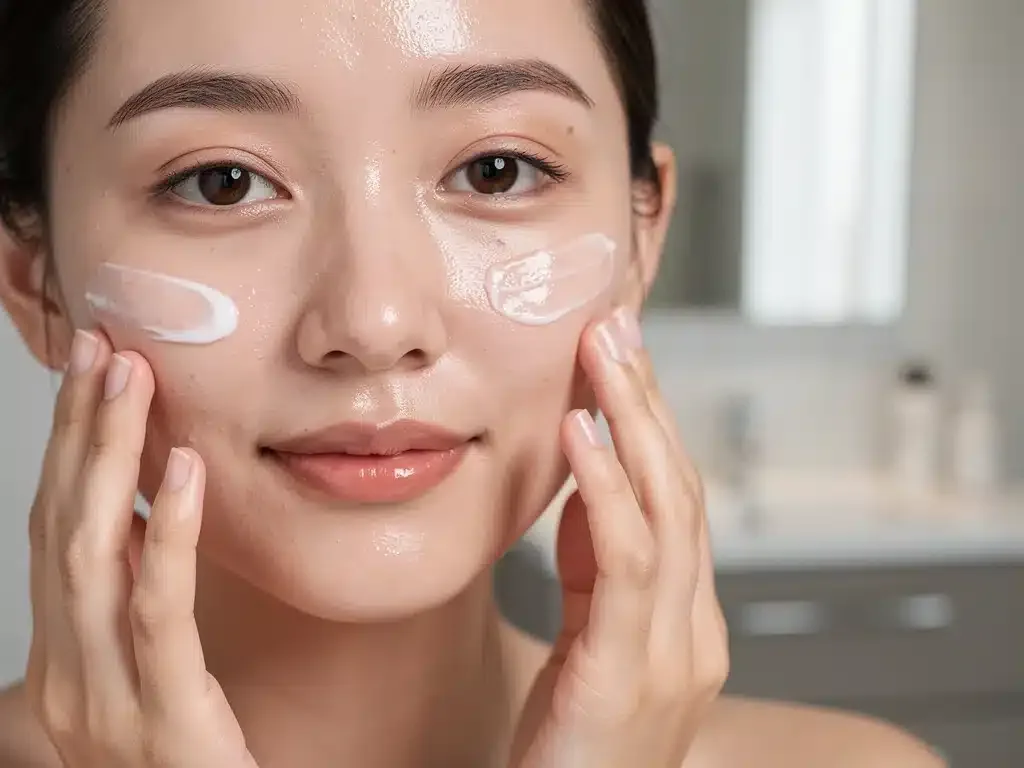
Apply your chosen moisturizer immediately after your serums, while your skin is still slightly damp. This helps to lock in the moisture and allows for better absorption of the product. Use a pea-sized amount and gently spread it across your face and neck. Pay attention to how your skin feels; it should feel hydrated and comfortable, not tight or greasy. If you find your skin still feels dry, you might need a slightly richer, but still oil-free, formula, or consider layering a hydrating toner or essence before your serum and moisturizer. Proper hydration is a game-changer for oily skin, helping to regulate its natural processes and promote a clear, smooth complexion.
In conclusion, moisturizing is a non-negotiable step for oily skin, despite common misconceptions. By selecting lightweight, oil-free, and non-comedogenic formulas rich in humectants, you can effectively hydrate your skin, prevent rebound oiliness, and support a healthy skin barrier. This crucial step contributes significantly to achieving balanced and flawless skin.
Step 4: Sun Protection – The Non-Negotiable Shield
Sun protection is not just an anti-aging measure; it is an indispensable step for all skin types, and especially critical for oily and acne-prone skin. Many individuals with oily skin shy away from sunscreen due to concerns about it feeling heavy, greasy, or clogging pores, which can lead to breakouts. However, prolonged sun exposure can actually worsen existing acne, cause post-inflammatory hyperpigmentation (dark spots left after breakouts), and increase oil production due to inflammation. A US dermatologist-approved routine strongly emphasizes daily, year-round sun protection with the right type of sunscreen.
Protecting your skin from harmful UV rays is essential for maintaining youthful skin and preventing skin cancer, but for oily skin, it also plays a vital role in managing complexion concerns. UV radiation can damage the skin’s barrier, leading to increased sebum production as the skin tries to repair itself. Furthermore, sun exposure can thicken the outer layer of the skin, making it harder for sebum to flow out of pores, thereby contributing to clogged pores and breakouts. The right sunscreen can be your best ally in achieving and maintaining truly flawless skin.
Choosing the Right Sunscreen for Oily Skin
The key to consistent sunscreen use for oily skin lies in finding a formula that is specifically designed for your skin type. Look for sunscreens labeled “oil-free,” “non-comedogenic,” “matte finish,” or “gel-based.” Mineral sunscreens, containing zinc oxide and titanium dioxide, are often a good choice as they sit on top of the skin and are less likely to irritate or clog pores. Many new formulations offer elegant, lightweight textures that blend seamlessly without leaving a white cast or greasy residue.
- Broad-Spectrum SPF 30+: Protects against both UVA (aging) and UVB (burning) rays.
- Oil-Free & Non-Comedogenic: Prevents clogged pores and excess shine.
- Matte or Gel Formulas: Offer a lightweight feel and can help control shine.
- Mineral Sunscreens (Zinc Oxide/Titanium Dioxide): Often well-tolerated by sensitive and acne-prone skin.
- Tinted Sunscreens: Can offer light coverage and help even out skin tone while protecting.
Apply sunscreen as the very last step in your morning skincare routine, after your moisturizer. Ensure you apply a generous amount – about a quarter-sized dollop for your face and neck – to achieve the stated SPF protection. Reapply every two hours when exposed to direct sunlight, or more frequently if swimming or sweating. Even on cloudy days or when indoors near windows, UV rays can still reach your skin, making daily application non-negotiable. Embracing daily sun protection will not only safeguard your skin’s health but also significantly contribute to a clearer, more even-toned, and ultimately flawless complexion.
In conclusion, sun protection is a critical, non-negotiable step for oily skin. By choosing oil-free, non-comedogenic, and broad-spectrum SPF 30+ sunscreens, you can protect your skin from UV damage, prevent worsening of acne and hyperpigmentation, and support a balanced, healthy complexion. This daily habit is fundamental for achieving and maintaining flawless skin.
Step 5: Weekly Boosters – Refining and Renewing for Clarity
While daily cleansing, treatment, hydration, and sun protection form the core of a dermatologist-approved routine for oily skin, incorporating weekly boosters can elevate your results, helping to refine texture, clear pores, and promote overall skin clarity. These supplementary steps are designed to provide a more intensive treatment, addressing stubborn concerns and accelerating your progress towards achieving flawless skin. However, it’s essential to integrate them thoughtfully to avoid over-exfoliation or irritation, which can compromise the skin barrier.
Weekly boosters typically include exfoliation treatments and masks. Exfoliation helps to remove accumulated dead skin cells that can clog pores and make the skin appear dull. Masks can deliver concentrated ingredients to address specific needs, such as deep cleansing, oil absorption, or intense hydration. The key is to select products that complement your daily routine and to use them as directed, usually once or twice a week, depending on your skin’s tolerance and needs.
Effective Weekly Boosters for Oily Skin
For exfoliation, chemical exfoliants are often preferred over harsh physical scrubs, which can cause micro-tears and irritation. Alpha Hydroxy Acids (AHAs) like glycolic and lactic acid can help dissolve the bonds between dead skin cells on the skin’s surface, improving texture and brightness. Beta Hydroxy Acids (BHAs) like salicylic acid, as mentioned before, are excellent for oily skin due to their ability to penetrate oil and exfoliate within the pores. Clay masks are particularly beneficial for oily skin, as they draw out impurities and absorb excess sebum, leaving the skin feeling clean and matte.
- Chemical Exfoliants (AHAs/BHAs): Gently remove dead skin cells and clear pores.
- Clay Masks: Absorb excess oil, draw out impurities, and minimize pore appearance.
- Charcoal Masks: Similar to clay, they help detoxify and purify pores.
- Enzyme Masks: Offer a milder form of exfoliation, suitable for sensitive oily skin.
When incorporating weekly boosters, always follow the product instructions carefully. If using a chemical exfoliant, start with a lower concentration and limit use to once a week. Avoid using multiple strong exfoliants on the same day. After exfoliating or using a purifying mask, it’s crucial to follow up with a good moisturizer to replenish hydration and support the skin barrier. Listen to your skin; if you experience excessive redness, dryness, or irritation, reduce the frequency of use or opt for a gentler alternative. These targeted treatments, when used judiciously, can significantly enhance your skin’s clarity, smoothness, and overall radiance, bringing you closer to your goal of flawless skin.
In conclusion, weekly boosters like chemical exfoliants and purifying masks are excellent additions to an oily skin routine. They provide intensive treatment to refine texture, clear pores, and manage excess oil. By choosing appropriate products and using them mindfully, you can significantly enhance your skin’s appearance and achieve a clearer, more radiant complexion.
Lifestyle Factors: Beyond the Skincare Bottle
While a consistent 5-step skincare routine is fundamental for achieving flawless skin, it’s important to recognize that external products are only one piece of the puzzle. Our lifestyle choices significantly impact our skin’s health, particularly for those with oily complexions. Integrating healthy habits into your daily life can amplify the effectiveness of your skincare regimen, helping to regulate oil production, prevent breakouts, and promote overall skin vitality. Dermatologists often emphasize a holistic approach, acknowledging the interconnectedness of internal and external factors.
Stress, diet, sleep, and even physical activity all play a role in how our skin looks and feels. Ignoring these elements can undermine even the most diligent skincare efforts. For instance, chronic stress can trigger hormonal fluctuations that lead to increased sebum production and acne flare-ups. Similarly, a diet high in processed foods or certain dairy products might exacerbate inflammation and breakouts in some individuals. Addressing these underlying lifestyle factors can provide a powerful complement to your topical treatments, leading to more sustainable and comprehensive results.
Key Lifestyle Adjustments for Healthier Oily Skin
Managing stress is paramount. Techniques such as meditation, yoga, regular exercise, or simply dedicating time to hobbies can significantly reduce stress levels, which in turn can positively impact your skin. A balanced diet rich in antioxidants, omega-3 fatty acids, and plenty of water is also beneficial. Focus on whole foods, fruits, vegetables, and lean proteins, and consider reducing intake of high-glycemic foods and excessive dairy if you notice a correlation with breakouts. Adequate sleep is another crucial component, as it allows the body to repair and regenerate, including skin cells.
- Stress Management: Practice mindfulness, meditation, or engage in relaxing activities to reduce cortisol levels.
- Balanced Diet: Prioritize whole foods, vegetables, fruits, and healthy fats; limit processed foods and excessive sugar.
- Hydration: Drink plenty of water throughout the day to support overall skin health and function.
- Sufficient Sleep: Aim for 7-9 hours of quality sleep to allow skin repair and regeneration.
- Regular Exercise: Improves blood circulation and helps reduce stress, but always cleanse skin post-workout.
Beyond these internal factors, external habits like regularly cleaning pillowcases and phone screens can prevent the transfer of bacteria and oil to your face. Avoiding touching your face throughout the day also minimizes the spread of impurities. Furthermore, being mindful of hair products that might contain oils or silicones that can transfer to the forehead and cause breakouts is also important. By adopting these holistic practices, you’re not just treating your skin from the outside; you’re nurturing it from within, creating an optimal environment for a clear, balanced, and truly flawless complexion. This integrated approach ensures long-term skin health and resilience against the challenges of oily skin.
In conclusion, achieving flawless skin for oily complexions extends beyond topical treatments to encompass crucial lifestyle factors. By managing stress, adopting a balanced diet, ensuring adequate hydration and sleep, and practicing good hygiene, you can significantly support your skin’s health and enhance the effectiveness of your skincare routine, leading to lasting clarity and balance.
Maintaining Your Flawless Complexion: Long-Term Strategies
Achieving flawless skin with an oily complexion is a journey, not a destination. Once you’ve established a consistent 5-step dermatologist-approved routine and integrated beneficial lifestyle factors, the next challenge is maintaining those results long-term. Skin is dynamic, constantly responding to internal and external changes, so your routine may need slight adjustments over time. The key to sustained success lies in vigilance, adaptability, and continuous commitment to healthy skincare practices. This long-term perspective ensures that your skin remains balanced, clear, and radiant.
Regular check-ups with a dermatologist can also be invaluable. A professional can assess your skin’s evolving needs, recommend advanced treatments if necessary, and help troubleshoot any new concerns that may arise. They can also provide guidance on prescription-strength options for persistent issues like severe acne or hyperpigmentation. Think of your routine as a living document that can be refined and optimized as your skin matures and environmental conditions change.
Seasonal Adjustments and Product Rotation
One of the most important aspects of long-term maintenance is understanding how your skin reacts to different seasons and making appropriate adjustments. For instance, in humid summer months, your skin might become oilier, necessitating lighter moisturizers or more frequent use of oil-absorbing masks. In drier winter months, even oily skin can experience dehydration, requiring a slightly richer, yet still non-comedogenic, moisturizer or the addition of a hydrating serum. Similarly, it can be beneficial to rotate active ingredients to prevent your skin from becoming accustomed to one product, or to address different concerns as they emerge.
- Seasonal Adaptations: Adjust moisturizer consistency and frequency of oil-control treatments based on humidity and temperature.
- Product Rotation: Alternate between different active ingredients (e.g., salicylic acid and retinoids) to keep skin responsive and target various concerns.
- Listen to Your Skin: Pay attention to how your skin feels and looks daily; dryness, irritation, or increased oiliness are signals to adjust.
- Professional Guidance: Schedule periodic visits with a dermatologist for personalized advice and advanced treatment options.
- Consistent Sun Protection: Maintain daily, year-round SPF application as a non-negotiable step.
Avoid the temptation to constantly switch products or try every new trend, as this can confuse and irritate your skin. Instead, introduce new products one at a time, giving your skin several weeks to adapt before evaluating their effectiveness. Patience is a virtue in skincare; results often take time to manifest. Celebrate small victories, like fewer breakouts or reduced shine, and understand that consistency is the most powerful tool in your arsenal. By committing to these long-term strategies, you can not only achieve but also sustain a truly flawless and healthy complexion, enjoying the confidence that comes with clear, balanced skin.
In conclusion, maintaining a flawless complexion with oily skin requires a long-term commitment to a flexible and adaptable routine. By making seasonal adjustments, rotating products strategically, listening to your skin’s needs, and seeking professional guidance when necessary, you can ensure sustained clarity, balance, and health for your oily skin, enjoying lasting confidence.
| Key Step | Brief Description |
|---|---|
| Gentle Cleanse | Remove impurities and excess oil twice daily without stripping skin. |
| Targeted Treatment | Use serums with active ingredients like niacinamide or salicylic acid to control oil and breakouts. |
| Lightweight Hydration | Apply oil-free, non-comedogenic moisturizer to balance skin and prevent rebound oiliness. |
| Sun Protection | Daily application of broad-spectrum, oil-free SPF 30+ sunscreen is crucial to prevent damage and hyperpigmentation. |
Frequently Asked Questions About Oily Skin
Is it really necessary to moisturize oily skin?▼Yes, absolutely. Skipping moisturizer can dehydrate oily skin, prompting it to produce even more oil to compensate. A lightweight, oil-free, non-comedogenic moisturizer helps balance skin hydration, supports its natural barrier, and can actually reduce overall oiliness without clogging pores.
What ingredients should I look for in products for oily skin?▼Key ingredients include salicylic acid to exfoliate pores, niacinamide to reduce sebum and pore appearance, retinoids for cell turnover and oil regulation, and hyaluronic acid for lightweight hydration. Look for labels like “oil-free” and “non-comedogenic” to avoid pore-clogging.
Can diet affect my oily skin and breakouts?▼While direct links are debated, some individuals notice improvements by reducing high-glycemic foods, processed sugars, and excessive dairy. A balanced diet rich in whole foods, antioxidants, and adequate hydration generally supports overall skin health and can indirectly help manage oiliness.
How often should I exfoliate oily skin?▼For oily skin, gentle exfoliation 1-2 times a week is generally recommended. Chemical exfoliants like AHAs or BHAs are often preferred over harsh physical scrubs. Over-exfoliating can irritate the skin and disrupt its barrier, potentially leading to increased oil production and sensitivity.
Is daily sunscreen necessary for oily skin, even indoors?▼Yes, daily broad-spectrum SPF 30+ sunscreen is crucial. UV rays can penetrate windows, contributing to skin damage, accelerated aging, and worsening hyperpigmentation from breakouts. Choose oil-free, non-comedogenic formulas that provide protection without adding greasiness or clogging pores.
Conclusion
Achieving flawless skin with an oily complexion is entirely within reach through a dedicated, dermatologist-approved regimen. By meticulously following the 5-step routine outlined – gentle cleansing, targeted treatment with active ingredients, lightweight hydration, consistent sun protection, and strategic weekly boosters – you can effectively manage excess sebum, minimize pores, and prevent breakouts. Remember that skincare is a marathon, not a sprint, and consistency is key. Moreover, integrating healthy lifestyle choices, such as stress management, a balanced diet, and adequate sleep, will further amplify your results, promoting overall skin health and resilience. Embrace this comprehensive approach, listen to your skin’s unique needs, and enjoy the confidence that comes with a balanced, clear, and truly flawless complexion.