Makeup Artist Secrets: Long-Lasting Foundation Tips for US Climates
Advertisements
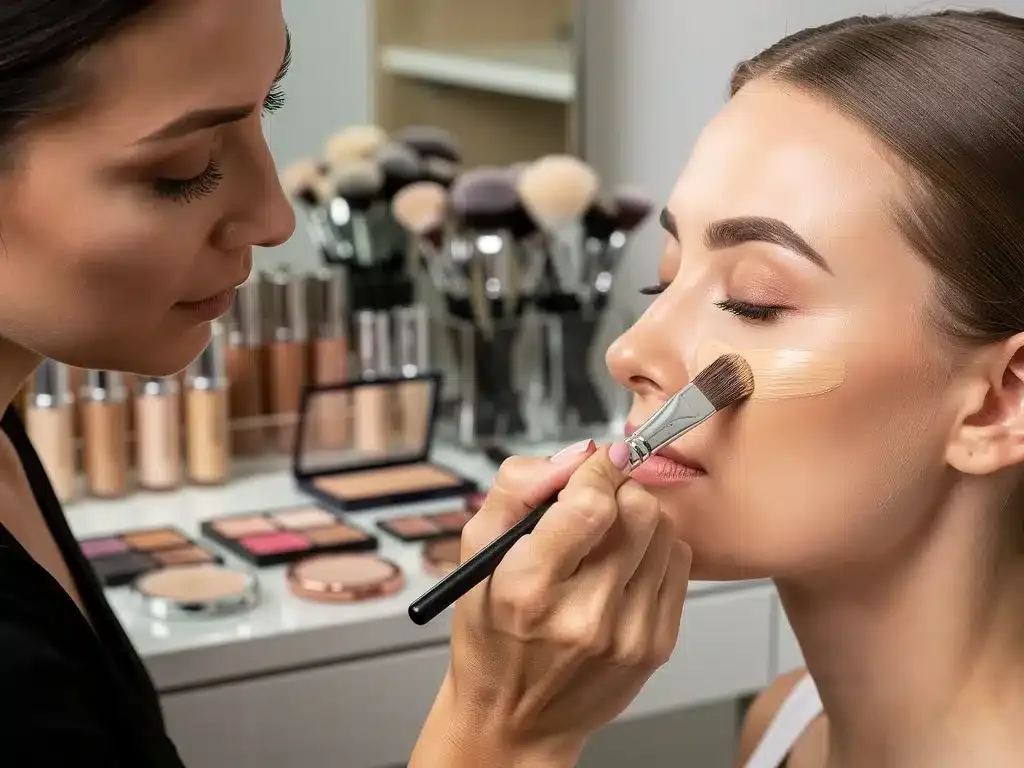
Achieving a truly long-lasting foundation in the varied and often challenging US climates requires specific techniques and product choices that professional makeup artists swear by.
Have you ever wondered how celebrities maintain their flawless foundation throughout long events, even in scorching humidity or freezing cold? The secret lies in understanding the science of makeup and mastering application techniques tailored to specific environmental challenges. This article delves into Makeup Artist Secrets: 8 Pro Tips for Long-Lasting Foundation in US Climates, offering invaluable advice to ensure your base stays impeccable from dawn till dusk, no matter what the weather throws at you.
Understanding US Climates and Their Impact on Foundation
The United States boasts an incredibly diverse range of climates, from the humid summers of the Southeast to the arid deserts of the Southwest, and the cold, dry winters of the Northeast. Each of these environmental conditions presents unique challenges for foundation wear, often leading to creasing, caking, fading, or even melting. Understanding these regional differences is the first step in mastering long-lasting foundation application.
For instance, high humidity can cause foundation to slide off the skin, while dry air can make it look flaky and accentuate fine lines. Extreme temperatures, both hot and cold, demand products that can withstand significant environmental stress without compromising coverage or finish. A foundation that performs beautifully in a cool, dry climate might be a disaster in a hot, muggy one, highlighting the need for a targeted approach.
Humidity’s Challenge: Preventing Meltdown
In humid regions like Florida or the Gulf Coast, the air is saturated with moisture, which can break down foundation formulas quickly. Sweat and oil production also tend to increase, creating a slick surface that foundation struggles to adhere to. The key here is to create a barrier and choose formulas designed for oil control and longevity.
- Oil-Free Formulas: Opt for foundations specifically labeled as oil-free or mattifying to combat excess shine.
- Water-Resistant Products: Look for foundations and primers that offer water-resistant properties to resist sweat and humidity.
- Light Layers: Apply multiple thin layers rather than one thick one, allowing each to set properly.
Conversely, the dry heat of Arizona or Nevada poses a different problem. Lack of moisture can lead to foundation looking patchy, settling into lines, and feeling uncomfortable. Hydration becomes paramount, both in skincare prep and foundation choice, to maintain a fresh, dewy look that doesn’t crack or flake under pressure. By acknowledging these climatic variables, we can strategically select products and techniques that enhance foundation’s staying power.
Tip 1: The Power of Skin Preparation
Before any foundation even touches the skin, proper skin preparation is paramount for achieving a long-lasting base, especially when battling diverse US climates. Think of your skin as a canvas; a well-prepared canvas allows the paint (foundation) to adhere better and last longer. This step is often overlooked but is absolutely crucial for preventing common foundation dilemmas like caking, sliding, or patchiness.
Skin preparation starts with a thorough cleanse. Removing impurities, excess oil, and old makeup ensures a fresh surface. Following cleansing, toning helps to balance the skin’s pH and tighten pores, creating a smoother texture. These initial steps are universal, but the subsequent hydration and priming need to be tailored to the specific climate and your skin type.
Hydration is Key, But Climate-Specific
Moisturizer is non-negotiable, but its type should vary with the climate. In dry climates, a richer, more emollient moisturizer creates a hydrated barrier that prevents foundation from clinging to dry patches. It plumps the skin, making fine lines less noticeable and foundation appear smoother. In contrast, humid environments call for lighter, gel-based, or oil-free moisturizers that hydrate without adding excess oil or weight, which could cause foundation to break down faster.
- Dry Climates: Use a cream-based, hyaluronic acid-rich moisturizer to lock in hydration.
- Humid Climates: Opt for a lightweight, non-comedogenic gel moisturizer or a hydrating serum.
- All Climates: Allow your moisturizer to fully absorb for at least 5-10 minutes before applying primer or foundation.
Neglecting proper hydration can lead to foundation looking dull or emphasizing skin texture, regardless of the formula’s quality. A well-hydrated skin surface provides the ideal canvas for foundation to adhere evenly and maintain its integrity throughout the day, significantly contributing to its longevity.
Tip 2: Selecting the Right Primer for Your Climate
A primer acts as a crucial barrier between your skin and foundation, creating an optimal surface for application and significantly extending wear. However, not all primers are created equal, and choosing the right one is essential, particularly when contending with the varied US climates. The wrong primer can hinder rather than help, making your foundation break down faster.
The primary function of a primer is to address specific skin concerns and provide a smooth, even base. This could involve blurring pores, controlling oil, adding hydration, or creating a tacky surface for foundation to grip onto. Understanding your skin’s needs in relation to your local climate is key to selecting the most effective primer for a truly long-lasting foundation application.
Targeted Primers for Specific Weather Conditions
For hot and humid regions, a mattifying or oil-control primer is your best friend. These primers typically contain ingredients that absorb excess oil and create a velvety, shine-free finish, preventing foundation from sliding off. They also often provide a slight blurring effect, minimizing the appearance of pores that can become more noticeable in warmer temperatures.
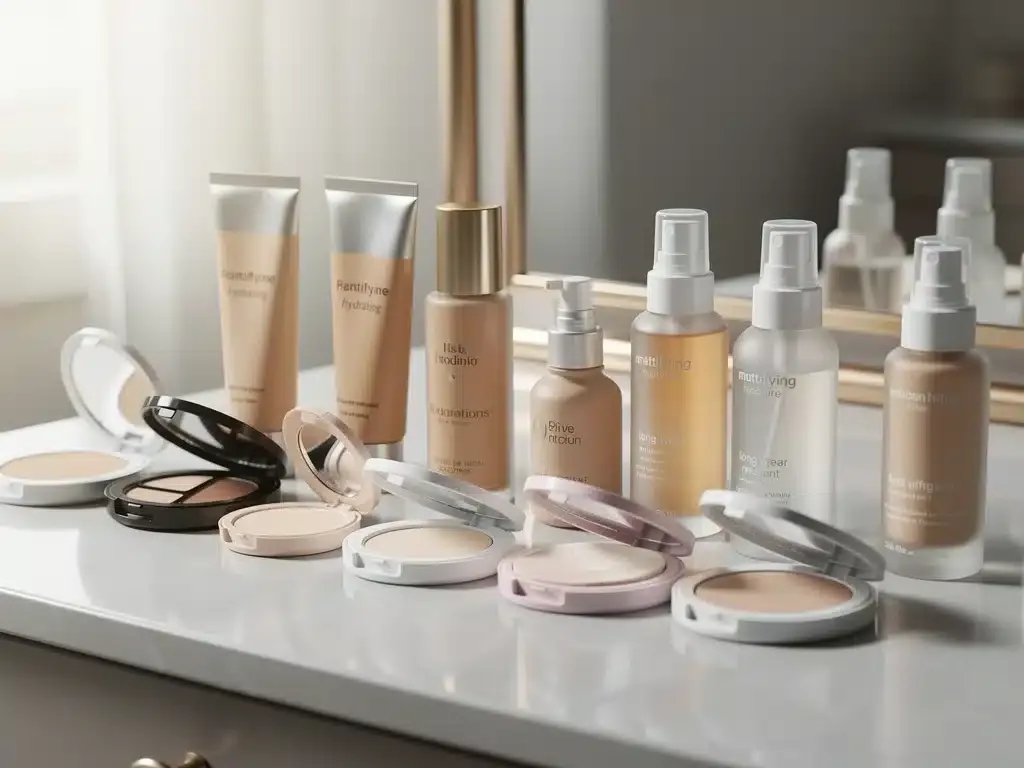
- Humid & Oily Skin: Silicone-based, mattifying primers that blur pores and control shine.
- Dry & Cold Climates: Hydrating primers, often water-based or infused with hyaluronic acid, to prevent flaking.
- Uneven Texture: Smoothing primers that fill in fine lines and large pores for a seamless finish.
In contrast, colder and drier climates require a hydrating or luminous primer to prevent foundation from looking flat or clinging to dry patches. These primers infuse the skin with moisture, creating a dewy base that helps foundation glide on smoothly and stay comfortable without cracking. Some even offer a radiant finish, combating the dullness often associated with dry skin. By strategically choosing a primer that counteracts the environmental challenges, you set your foundation up for undeniable success.
Tip 3: Foundation Formula Matters Immensely
The foundation formula itself is perhaps the most critical component in achieving long-lasting wear, especially across the diverse landscapes and climates of the United States. A foundation designed for durability will inherently perform better than one focused solely on light coverage or a dewy finish when faced with environmental stressors. Understanding the different types of formulas and their strengths is essential for making an informed choice.
From liquid to cream, stick to powder, each foundation type offers distinct properties that can either enhance or diminish longevity. The base ingredients, finish, and intended wear time are all factors that contribute to how well a foundation will hold up against heat, humidity, cold, or dryness. Makeup artists often have a rotation of foundations, choosing specific ones based on the client’s skin type and the prevailing weather conditions.
Formulas for Endurance in Challenging Climates
For humid and hot climates, oil-free, long-wear liquid foundations are often the go-to. These formulas are typically designed to be transfer-resistant and sweat-proof, preventing them from melting or oxidizing. Many contain polymers that create a flexible film on the skin, allowing the foundation to move with facial expressions without creasing. Matte or semi-matte finishes are also preferred as they help to control shine throughout the day.
- Humid & Hot: Opt for oil-free, transfer-resistant liquid foundations with a matte or natural-matte finish.
- Dry & Cold: Choose hydrating liquid or cream foundations with a natural or dewy finish, often containing emollients.
- Combination Skin: Look for balanced formulas that offer a natural finish and moderate oil control.
In arid or cold environments, where moisture is scarce, a hydrating or cream-based foundation can be more effective. These formulas often contain moisturizing agents like glycerin or hyaluronic acid, which prevent the foundation from clinging to dry patches or emphasizing fine lines. A satin or dewy finish can also be more forgiving, providing a healthy glow rather than a flat, dry appearance. By matching the foundation’s inherent properties to the climate’s demands, you significantly boost its staying power.
Tip 4: Strategic Application Techniques
Beyond product selection, the way you apply your foundation plays a pivotal role in its longevity, particularly when aiming for extended wear in challenging US climates. Even the best long-wear foundation can fail if applied incorrectly. Makeup artists employ specific techniques to ensure foundation adheres seamlessly, provides adequate coverage, and withstands environmental stressors.
The goal is to create an even, durable layer that looks natural, not heavy or mask-like. This involves understanding the right tools, the correct amount of product, and the method of application that best suits your chosen formula and skin type. Rushing through this step or using an inappropriate technique can lead to a patchy, short-lived finish.
Building Layers, Not Piling On
One of the most critical techniques for long-lasting foundation is applying in thin, buildable layers. Instead of dispensing a large amount of product and trying to spread it all at once, start with a small amount and build coverage where needed. This approach creates a more natural finish and allows each layer to properly set, enhancing durability. Using a damp beauty sponge or a dense foundation brush can help blend the product seamlessly without streaking or caking.
- Damp Beauty Sponge: Ideal for a natural, skin-like finish and pressing product into the skin for better adhesion.
- Dense Foundation Brush: Excellent for buffing product into the skin, providing more coverage and a polished look.
- Fingertips: Can be used for light coverage or to warm up thicker formulas, but ensure even blending.
Focus on areas that require more coverage, such as the T-zone or around the nose, and use minimal product on areas that need less. Pressing the foundation into the skin, rather than just swiping it, helps it to meld with its natural oils and create a more resilient bond. This strategic, layered application ensures your foundation can withstand the day’s elements without cracking or fading.
Tip 5: Setting the Foundation for Durability
Once your foundation is perfectly applied, setting it properly is the next non-negotiable step for extending its wear, especially in diverse US climates. Setting your foundation creates a protective barrier, locks the product in place, and helps to control shine, preventing it from migrating or fading throughout the day. This step is particularly vital in humid or oily conditions where foundation is prone to breaking down quickly.
There are two primary methods for setting foundation: using setting powder and using setting spray. Both serve to solidify your base, but they offer different finishes and benefits, making the choice dependent on your skin type, climate, and desired look. A combination of both is often employed by makeup artists for maximum longevity.
The Art of Powder and Spray
Setting powder is excellent for absorbing excess oil and creating a matte or natural finish. For oily skin or humid climates, a finely milled translucent powder can be lightly dusted over the entire face, focusing on the T-zone. For drier skin or colder climates, a targeted application only on areas prone to creasing (like under the eyes) or shine can prevent the foundation from looking too dry or flat. Baking, a technique where a generous amount of powder is left on the skin for a few minutes before dusting off, provides intense oil control and creasing prevention.
- Translucent Powder: Universal for setting without adding coverage or altering foundation shade.
- Pressed Powder: Offers a bit more coverage and is convenient for touch-ups throughout the day.
- Loose Powder: Often finer, providing a softer, more airbrushed finish, ideal for baking.
Setting sprays, on the other hand, melt all the layers of makeup together, creating a seamless, long-lasting finish. They can range from mattifying to hydrating, allowing you to choose one that complements your skin type and climate. A good setting spray acts as an invisible shield, preventing smudging, fading, and enhancing the overall wear time of your foundation. Using both powder and spray, strategically, provides the ultimate insurance against environmental wear and tear.
Tip 6: Targeted Touch-Ups, Not Full Reapplication
Even with the most meticulous application and high-performance products, some touch-ups may be necessary throughout the day, especially when facing challenging US climates. The key, however, is to perform targeted touch-ups rather than attempting a full reapplication, which can quickly lead to a heavy, cakey, or uneven finish. Understanding how to refresh your foundation discreetly and effectively is a true makeup artist secret for maintaining a flawless look.
The common mistake is to add more foundation over existing makeup, which often exacerbates the problem by creating layers that settle into lines or appear patchy. Instead, the focus should be on addressing specific areas of concern, such as shine, creasing, or minor fading, using minimal product and strategic tools. This approach preserves the integrity of your initial application while extending its wear.
Blot, Powder, and Refresh
For shine control, blotting papers are indispensable. Instead of rubbing, gently press blotting paper onto oily areas to absorb excess sebum without disturbing your foundation. This instantly mattifies the skin without adding more product. After blotting, a light dusting of translucent powder, applied with a small, fluffy brush or a powder puff, can further set the area and prevent shine from returning quickly.
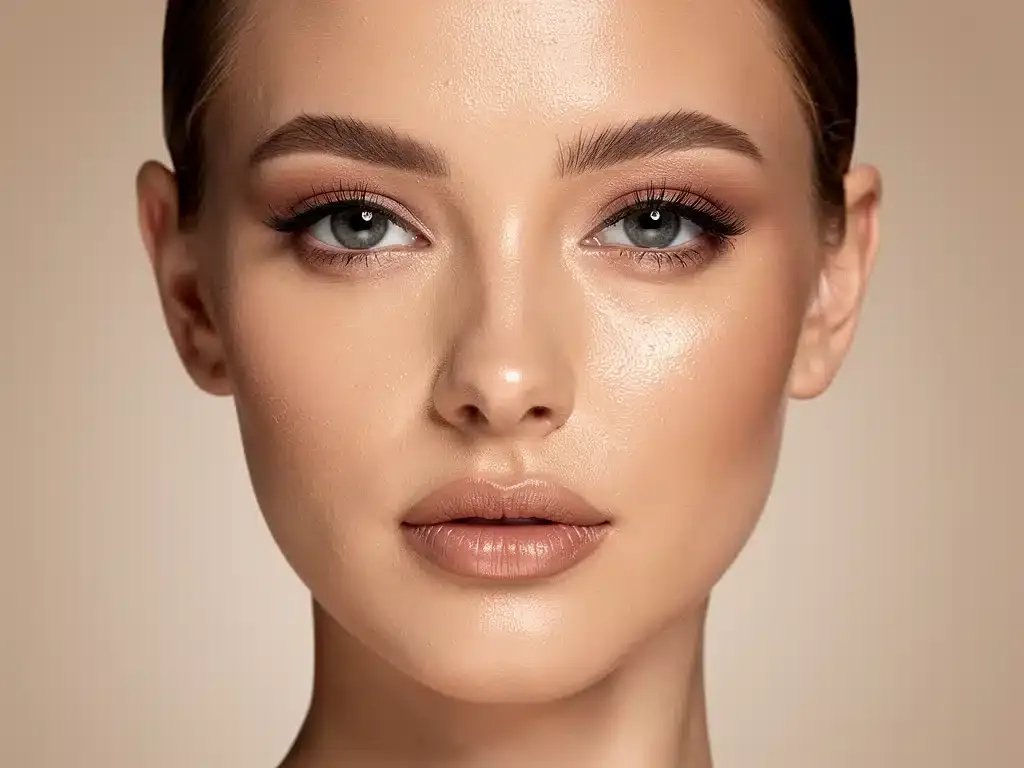
- Blotting Papers: Essential for absorbing excess oil without adding product.
- Pressed Powder Compact: Convenient for on-the-go touch-ups, offering light coverage and oil control.
- Mini Setting Spray: A travel-sized setting spray can refresh makeup and re-melt layers for a smoother finish.
For areas where foundation might have creased, such as under the eyes or around the mouth, gently patting the area with a clean fingertip or a damp beauty sponge can smooth out the lines before applying a tiny amount of powder. If your skin feels dry or looks dull, a hydrating mist or a quick spritz of a refreshing setting spray can revive your complexion without disrupting your makeup. These targeted touch-ups ensure your foundation remains fresh and polished, extending its longevity without a full overhaul.
Tip 7: The Role of Evolving Skincare Habits
Achieving truly long-lasting foundation in the varied US climates isn’t just about the makeup products themselves; it’s deeply intertwined with your evolving skincare habits. Your skin’s condition is dynamic, influenced by age, diet, hormones, and, crucially, the environment. Adapting your skincare routine to these changes and to the specific climate you’re in is fundamental for foundation to perform at its best and last all day.
A consistent, tailored skincare regimen ensures your skin barrier is healthy, balanced, and receptive to makeup. Ignoring skincare can lead to issues like excessive oiliness, dehydration, or sensitivity, all of which directly impact how foundation sits and wears. Makeup artists often emphasize that great makeup starts with great skin, highlighting the symbiotic relationship between the two.
Seasonal Adjustments and Skin Health
Just as you change your wardrobe with the seasons, your skincare routine should also adapt. In colder, drier climates, incorporating richer moisturizers, hydrating serums, and facial oils can help maintain skin’s moisture barrier, preventing foundation from looking flaky or tight. Conversely, in hot, humid conditions, switching to lighter, gel-based moisturizers, oil-free serums, and incorporating gentle exfoliation can help manage excess oil and prevent congestion, which can otherwise cause foundation to break down.
- Winter Skincare: Focus on hydration with richer creams, hyaluronic acid, and nourishing oils.
- Summer Skincare: Prioritize oil control, lightweight hydration, and antioxidants to combat environmental damage.
- Year-Round: Regular cleansing, gentle exfoliation, and SPF are non-negotiable for healthy skin.
Beyond seasonal changes, listening to your skin’s daily needs is crucial. If your skin feels particularly dry one day, a hydrating primer might be more beneficial. If it’s unusually oily, an oil-control primer could be the hero. By making these thoughtful adjustments to your skincare routine, you create an optimal and responsive canvas that allows your foundation to adhere better and wear longer, making it truly long-lasting.
Tip 8: Don’t Forget the Details: Lips and Eyes
While the focus is often on the face, the longevity of your overall makeup look, and by extension, your foundation, is heavily influenced by how well other elements like lips and eyes are prepped and set. A flawlessly long-lasting foundation can only shine if the surrounding makeup elements are equally durable. This holistic approach is a hallmark of professional makeup artists who understand that every detail contributes to the final, enduring impression.
Creasing eyeshadow or smudged eyeliner can detract from an otherwise perfect base, making the entire look appear less polished and long-lasting. Similarly, lipstick that bleeds or fades quickly can draw attention away from your well-applied foundation. Integrating specific techniques for these areas ensures a cohesive and enduring makeup application, regardless of the climate challenges.
Prepping for Eye and Lip Longevity
For eyes, an eyeshadow primer is as essential as a face primer for foundation. Eye primers create a smooth, even base for eyeshadow, prevent creasing, and intensify color payoff. They also help to absorb excess oil on the eyelids, which is particularly useful in humid climates where eyeshadow is prone to smudging. Similarly, choosing waterproof or long-wear formulas for eyeliner and mascara ensures they withstand sweat, humidity, and even tears, preserving the integrity of your eye makeup.
- Eyeshadow Primer: Prevents creasing and extends the wear of eye makeup.
- Waterproof Formulas: Essential for mascara and eyeliner, especially in humid or rainy conditions.
- Lip Liner: Creates a barrier to prevent lipstick from bleeding and can be used to fill in lips for extended wear.
For lips, proper preparation involves exfoliating to remove dry skin, followed by a hydrating lip balm. A lip primer or even a dab of foundation can create a neutral base that helps lipstick adhere better and last longer. Using a lip liner not only defines the shape but also acts as a barrier, preventing lipstick from feathering or bleeding. For maximum longevity, apply a thin layer of lipstick, blot, and then apply another layer, optionally setting with a light dusting of translucent powder. By paying attention to these seemingly minor details, you ensure that your entire makeup look, including your foundation, remains impeccable and long-lasting.
| Key Tip | Brief Description |
|---|---|
| Climate-Specific Prep | Tailor skincare and primer to match local humidity or dryness for optimal foundation adhesion. |
| Formula Selection | Choose foundation formulas (oil-free for humidity, hydrating for dryness) that resist environmental breakdown. |
| Layered Application | Apply foundation in thin, buildable layers with appropriate tools for a seamless, durable finish. |
| Setting Techniques | Utilize setting powders and sprays to lock foundation in place and control shine effectively. |
Frequently Asked Questions About Long-Lasting Foundation
How do I prevent my foundation from caking in dry climates?▼To prevent caking in dry climates, prioritize hydration. Use a rich, emollient moisturizer and a hydrating primer before applying foundation. Opt for dewy or satin-finish foundations and apply them in thin layers. Avoid excessive use of mattifying powders, focusing only on areas prone to shine.
What’s the best foundation type for humid US regions?▼For humid US regions, oil-free, long-wear liquid foundations with a matte or natural-matte finish are ideal. Look for formulas labeled as transfer-resistant, sweat-proof, or humidity-proof. These types of foundations are designed to withstand moisture and oil production, preventing melting and fading.
Can I use the same foundation year-round across different US climates?▼While some versatile foundations exist, it’s generally recommended to adjust your foundation or application method seasonally. A foundation perfect for a dry winter might not hold up in a humid summer. Consider having a few options or adapting your primer and setting techniques to suit the climate.
Is setting spray really necessary for long-lasting foundation?▼Yes, a setting spray is highly recommended for truly long-lasting foundation, especially in challenging climates. It helps fuse all makeup layers together, creating a more cohesive and durable finish. Setting sprays prevent smudging, fading, and enhance overall wear time, acting as a protective barrier.
How often should I touch up my foundation throughout the day?▼Touch-ups should be targeted and minimal, ideally only when needed. For most, once or twice a day is sufficient. Use blotting papers for shine and a light dusting of powder. Avoid full reapplication, as it can lead to a cakey look. The goal is to refresh, not rebuild.
Conclusion
Mastering long-lasting foundation in the diverse and often unpredictable US climates is an achievable goal with the right knowledge and techniques. By understanding how environmental factors impact your makeup, strategically selecting products, and refining your application methods, you can ensure your foundation remains flawless from morning to night. The secrets shared by professional makeup artists emphasize tailored skin preparation, climate-specific primers and foundations, meticulous layering, and effective setting techniques. Remember that your skin’s needs evolve, so adapting your routine and performing targeted touch-ups are crucial for maintaining an impeccable base. Embrace these pro tips, and confidently face any weather challenge the United States presents, knowing your foundation will stand the test of time.