Decoding Makeup Ingredients: 10 Chemicals to Avoid for Healthier Skin
Advertisements
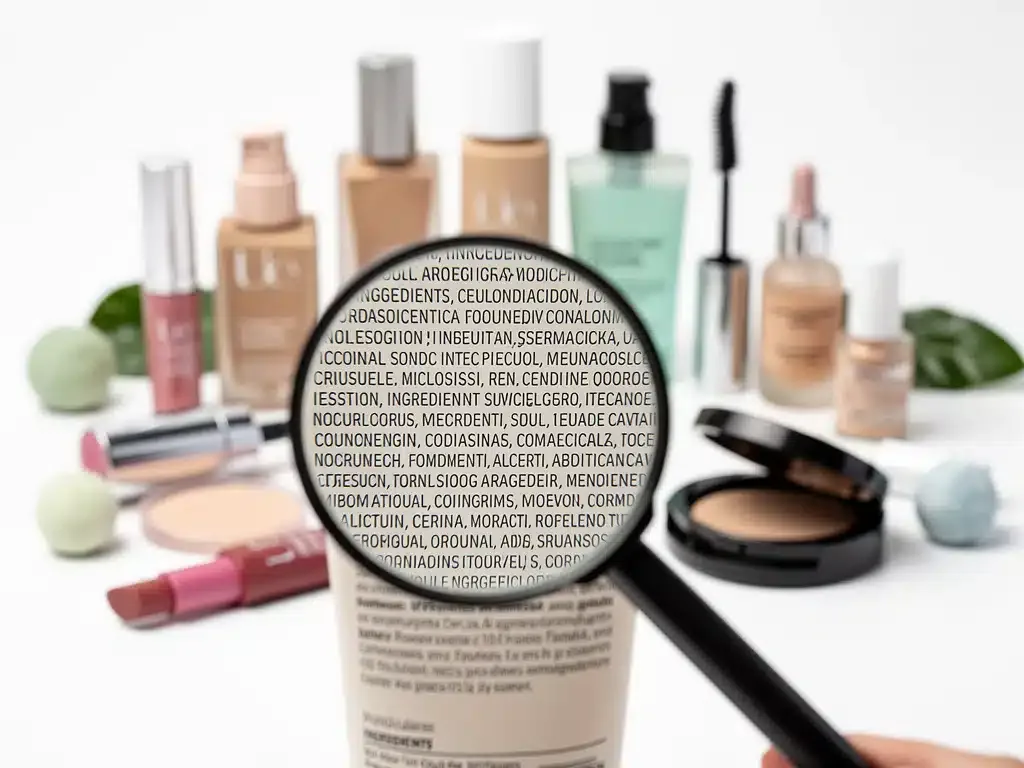
Understanding cosmetic labels is essential for protecting your skin, as many US makeup products contain chemicals that can be detrimental to health, necessitating careful selection for a safer beauty regimen.
In today’s beauty-conscious world, the pursuit of flawless skin often leads us down the labyrinthine aisles of cosmetic stores, where promises of youth and radiance abound. However, behind the allure of vibrant colors and silky textures lies a complex world of ingredients, some of which may not be as beneficial as they seem. For consumers in the US, understanding what’s truly in your makeup is more critical than ever. This guide is dedicated to decoding ingredient lists: 10 key chemicals to avoid in US makeup products for healthier skin, empowering you to make informed choices that prioritize your well-being.
The Hidden Dangers: Why Ingredient Awareness Matters
Many of us apply makeup daily without a second thought about its composition. Yet, the chemicals present in our foundations, lipsticks, and eyeshadows are absorbed by our skin, entering our bloodstream and potentially impacting our health over time. From subtle irritations to more serious long-term concerns, the cumulative effect of certain ingredients can be significant.
The beauty industry in the US operates under a regulatory framework that often allows a wide range of chemicals in products, some of which are banned or restricted in other countries. This makes personal vigilance paramount. Developing an eye for potential irritants and endocrine disruptors can transform your beauty routine from a potential risk into a proactive step towards healthier living.
Understanding the Regulatory Landscape
The Food and Drug Administration (FDA) is the primary regulatory body for cosmetics in the US. However, unlike pharmaceuticals, cosmetics do not require pre-market approval. This means manufacturers are largely responsible for ensuring the safety of their products. This self-regulation model places a greater burden on consumers to be educated.
- Limited FDA Authority: The FDA has less authority over cosmetics than over drugs, often only taking action after a product is already on the market and has caused harm.
- Ingredient Transparency: While ingredients must be listed, the sheer number and complex names can be overwhelming for the average consumer.
- Global Discrepancies: Chemicals banned in the EU or Canada may still be found in US products, highlighting the need for local awareness.
By becoming an informed consumer, you can advocate for your health and support brands committed to cleaner formulations. This section underscores the vital importance of looking beyond marketing claims and delving into the actual ingredient list to truly understand what you’re putting on your skin.
Parabens: The Ubiquitous Preservatives and Their Impact
Parabens are a group of synthetic preservatives commonly used in cosmetics, personal care products, and even some foods. Their primary function is to prevent the growth of bacteria, yeast, and mold, thereby extending product shelf life. While this sounds beneficial, a growing body of research has raised concerns about their potential health implications, particularly in relation to hormonal disruption.
These chemicals, such as methylparaben, propylparaben, butylparaben, and ethylparaben, are readily absorbed through the skin and have been detected in human tissues. Their widespread use and the ongoing scientific debate make them a top chemical to consider avoiding in your makeup arsenal for healthier skin.
Endocrine Disrupting Properties
One of the most significant concerns regarding parabens is their ability to mimic estrogen, a natural hormone in the body. This ‘estrogenic activity’ can disrupt the endocrine system, which is responsible for regulating hormones. Such disruption has been linked to various health issues.
- Reproductive Health: Studies suggest a potential link between paraben exposure and reproductive issues in both men and women.
- Breast Cancer Concerns: Parabens have been found in breast cancer tissue, leading to ongoing research into a possible connection, though a direct causal link has not been definitively established.
- Allergic Reactions: Some individuals may experience skin irritation, allergic reactions, and contact dermatitis when exposed to paraben-containing products.
While the cosmetics industry often argues that paraben levels in individual products are low and safe, the cumulative exposure from multiple products throughout the day is a point of contention. Opting for paraben-free alternatives can significantly reduce your overall exposure to these potential endocrine disruptors, contributing to a more natural and healthier beauty routine.
Phthalates: The Plasticizers in Your Cosmetics
Phthalates are a group of chemicals primarily used to make plastics more flexible and durable. However, they are also commonly found in cosmetics, particularly in fragrances, nail polishes, and hairsprays, where they act as solvents and help products adhere to the skin. The most common phthalates in cosmetics include diethyl phthalate (DEP) and dibutyl phthalate (DBP).
Despite their pervasive presence, phthalates are a concern because they are known endocrine disruptors, meaning they can interfere with the body’s hormonal system. This interference can have far-reaching effects on various bodily functions, making them another crucial ingredient to scrutinize on your makeup labels.
Health Implications of Phthalate Exposure
The scientific community has extensively studied the effects of phthalate exposure, particularly concerning reproductive and developmental health. While the FDA monitors phthalates, they are not currently banned from cosmetics in the US, reinforcing the need for consumer awareness.
- Reproductive System Harm: Research indicates that phthalates can negatively impact reproductive development, especially in males, and have been linked to reduced sperm quality.
- Hormonal Imbalance: Like parabens, phthalates can mimic or block hormones, leading to imbalances that may affect puberty, fertility, and overall endocrine function.
- Respiratory Issues: Some studies suggest a link between phthalate exposure and an increased risk of asthma and allergies, particularly in children.
Identifying phthalates on ingredient lists can be tricky, as they are often hidden under the umbrella term “fragrance” due to trade secret laws. Therefore, choosing “fragrance-free” or products with transparent fragrance ingredient lists is a proactive step. By reducing your exposure to phthalates, you can mitigate potential health risks and support your body’s natural hormonal balance, paving the way for healthier skin and overall well-being.
Sulfates: The Foaming Agents That Can Strip Your Skin
Sulfates, particularly sodium lauryl sulfate (SLS) and sodium laureth sulfate (SLES), are common detergents and foaming agents found in a vast array of personal care products, including shampoos, body washes, and some facial cleansers and makeup removers. They create the rich lather many consumers associate with effective cleansing. However, this powerful cleansing action comes with a potential downside for your skin’s health.
While effective at removing dirt and oil, sulfates can be too harsh for many skin types. Their strong degreasing properties can strip the skin of its natural oils, leading to dryness, irritation, and a compromised skin barrier. For individuals with sensitive skin, eczema, or rosacea, sulfates can exacerbate these conditions, making them a key chemical to avoid for a gentler, healthier complexion.
Impact on Skin Barrier and Sensitivity
The skin’s natural barrier is crucial for retaining moisture and protecting against environmental aggressors. When this barrier is compromised by harsh ingredients like sulfates, the skin becomes more vulnerable.
- Increased Dryness: Sulfates can remove essential lipids from the skin, leading to a feeling of tightness and dryness.
- Irritation and Redness: For sensitive individuals, sulfates can cause redness, itching, and general irritation, particularly around the eyes and mouth.
- Compromised Barrier Function: A damaged skin barrier is less effective at keeping out bacteria and allergens, potentially leading to breakouts or worsening existing skin conditions.
Choosing sulfate-free alternatives can make a significant difference in how your skin feels and looks. Many brands now offer gentle cleansers and makeup removers that effectively cleanse without stripping the skin of its vital moisture. Prioritizing sulfate-free options is a simple yet impactful step towards maintaining a healthy, balanced, and resilient skin barrier.
Formaldehyde-Releasing Preservatives: A Silent Irritant
Formaldehyde and formaldehyde-releasing preservatives (FRPs) are a group of chemicals used in cosmetics to prevent microbial contamination. While pure formaldehyde is a known carcinogen, FRPs release small amounts of formaldehyde over time to achieve their preservative effect. Common FRPs include quaternium-15, DMDM hydantoin, imidazolidinyl urea, diazolidinyl urea, and polyoxymethylene urea.
These preservatives are frequently found in a wide range of makeup products, including foundations, mascaras, and nail polishes. The concern with FRPs lies in their potential to cause allergic reactions, skin irritation, and their classification as human carcinogens by some health organizations when exposure levels are high. Therefore, avoiding them is a prudent step for healthier skin.
Allergic Reactions and Sensitization
Formaldehyde and FRPs are well-known contact allergens. Repeated exposure can lead to sensitization, meaning the skin becomes increasingly reactive to even small amounts of the chemical.
- Contact Dermatitis: Symptoms can include redness, itching, swelling, and blistering where the product has been applied.
- Respiratory Issues: Inhaling formaldehyde vapors, especially from products like nail polish, can trigger respiratory irritation in sensitive individuals.
- Carcinogenic Concerns: The International Agency for Research on Cancer (IARC) classifies formaldehyde as a human carcinogen, leading to calls for stricter regulation and avoidance.
Navigating ingredient lists to identify FRPs requires attention to detail, as their names can be complex. Opting for products specifically labeled “formaldehyde-free” or those that use alternative, gentler preservatives can significantly reduce your exposure. By choosing products free from these silent irritants, you can protect your skin from potential allergic reactions and contribute to a safer, healthier beauty regimen.
Fragrance (Parfum): The Mystery Ingredient and Its Allergens
The term “fragrance” or “parfum” on an ingredient list might seem innocuous, adding a pleasant scent to your makeup. However, this single word can represent a complex mixture of potentially hundreds of undisclosed chemicals. Due to trade secret laws, companies are not required to list the individual components that make up a fragrance blend, allowing a veil of secrecy over ingredients that can be significant allergens and irritants.
This lack of transparency is a major concern for consumers, especially those with sensitive skin, allergies, or chemical sensitivities. Many of the chemicals used in fragrances are known to cause a range of adverse reactions, making “fragrance” a top ingredient to approach with caution or avoid entirely in your makeup products for healthier skin.
Common Health Concerns Associated with Fragrance
The hidden cocktail of chemicals within a fragrance blend can include phthalates, synthetic musks, and other volatile organic compounds (VOCs), many of which have their own set of health concerns beyond just scent.
- Allergic Skin Reactions: Fragrances are a leading cause of contact dermatitis, characterized by redness, itching, and rash.
- Respiratory Problems: Inhaling fragranced products can trigger asthma attacks, headaches, and respiratory irritation in sensitive individuals.
- Endocrine Disruption: As mentioned with phthalates, many fragrance components can disrupt hormonal balance, leading to potential long-term health issues.
For those seeking to minimize exposure to potential irritants and allergens, opting for “fragrance-free” or “unscented” makeup products is highly recommended. Be aware that “unscented” doesn’t always mean chemical-free; it might simply mean masking agents have been used. Always check the full ingredient list. Prioritizing products with transparent ingredient disclosure or those that rely on natural, essential oil-based scents (if tolerated) can significantly improve your skin’s health and reduce the risk of adverse reactions.
Lead and Other Heavy Metals: Unwanted Contaminants
While not intentionally added, heavy metals like lead, cadmium, arsenic, and mercury can contaminate makeup products through raw materials. Lead, in particular, has been a concern in lipsticks and other color cosmetics. Although present in trace amounts, the cumulative exposure over time, especially from products used daily, raises significant health concerns. These metals are not typically listed on ingredient labels, making them difficult for consumers to identify, but their potential impact on health warrants awareness and careful brand selection.
The presence of heavy metals in makeup is largely unregulated in the US, with no federal limits on lead in cosmetics. This regulatory gap means that consumers must rely on independent testing and brand transparency to avoid these unwanted contaminants for healthier skin and overall well-being.
The Risks of Heavy Metal Exposure
Heavy metals are known neurotoxins and carcinogens, even at low levels. Their accumulation in the body can lead to a range of health problems.
- Neurodevelopmental Issues: Lead exposure, even in small amounts, is particularly concerning for pregnant women and children due to its impact on brain development.
- Kidney and Liver Damage: Chronic exposure to heavy metals can impair organ function over time.
- Cancer Risk: Some heavy metals, like arsenic and cadmium, are classified as human carcinogens.
Since these contaminants don’t appear on ingredient lists, the best approach is to research brands that prioritize purity and conduct third-party testing for heavy metals. Look for certifications or statements from brands regarding their heavy metal screening processes. Choosing reputable brands committed to clean sourcing and manufacturing practices is crucial in minimizing your exposure to these hidden dangers and protecting your long-term health.
Triclosan: The Antibacterial Agent Under Scrutiny
Triclosan is an antibacterial and antifungal agent that was once widely used in soaps, toothpastes, and some cosmetics. Its purpose is to reduce or prevent bacterial contamination. However, over the past decade, triclosan has come under intense scrutiny due to concerns about its potential impact on human health and the environment. While its use has been restricted in some product categories in the US, it may still be found in certain cosmetic formulations, making it an ingredient to be aware of.
The primary concerns surrounding triclosan relate to its potential as an endocrine disruptor, its contribution to antibiotic resistance, and its environmental persistence. For these reasons, avoiding triclosan in your makeup and personal care products is a recommended step towards healthier skin and a healthier planet.
Health and Environmental Concerns
Research has highlighted several potential adverse effects of triclosan, leading to its partial ban in certain consumer products by the FDA.
- Endocrine Disruption: Studies suggest triclosan can interfere with thyroid hormones, which are crucial for metabolism and development.
- Antibiotic Resistance: There are concerns that widespread use of triclosan contributes to the development of antibiotic-resistant bacteria, making infections harder to treat.
- Skin Irritation: Some individuals may experience skin irritation or allergic reactions to triclosan.
While the FDA banned triclosan from most over-the-counter antiseptic washes in 2016, it can still be found in some cosmetics and other consumer products. Always check ingredient labels for “triclosan.” Opting for products that do not contain this antibacterial agent helps to reduce your exposure to a potential endocrine disruptor and supports efforts to combat antibiotic resistance, contributing to both your personal health and broader public health.
Butylated Hydroxyanisole (BHA) & Butylated Hydroxytoluene (BHT): Synthetic Antioxidants
Butylated Hydroxyanisole (BHA) and Butylated Hydroxytoluene (BHT) are synthetic antioxidants frequently used in cosmetics, personal care products, and even food to prevent spoilage and extend shelf life. They work by preventing fats and oils from becoming rancid. While their preservative properties are beneficial for product stability, concerns have been raised regarding their potential health effects, particularly their classification as possible human carcinogens and endocrine disruptors.
These chemicals are commonly found in lipsticks, eyeshadows, and moisturizers. Their widespread use, coupled with the ongoing debate about their safety, positions them as chemicals to consider avoiding when seeking healthier skin care and makeup options.
Potential Health Risks
Both BHA and BHT have been subject to scientific scrutiny, leading to various classifications by health organizations.
- Possible Carcinogen: The National Toxicology Program classifies BHA as “reasonably anticipated to be a human carcinogen.”
- Endocrine Disruption: Studies suggest that BHA and BHT can disrupt the endocrine system, potentially interfering with thyroid hormone function.
- Allergic Reactions: Some individuals may experience skin irritation or allergic reactions to these synthetic antioxidants.
Identifying BHA and BHT on ingredient lists is straightforward as they are typically listed by their full names. Many clean beauty brands actively avoid these ingredients, opting for natural antioxidants like Vitamin E (tocopherol) instead. By choosing products free from BHA and BHT, you can reduce your exposure to potentially harmful synthetic chemicals and embrace a more natural approach to preserving the freshness of your cosmetics, ultimately leading to healthier skin.
Polyethylene Glycols (PEGs): The Penetration Enhancers
Polyethylene Glycols (PEGs) are petroleum-based compounds widely used in cosmetics as thickeners, solvents, softeners, and moisture-carriers. Their primary function is often to enhance the penetration of other ingredients into the skin. PEGs are often followed by a number (e.g., PEG-100, PEG-7 Glyceryl Cocoate), which indicates their molecular weight. While PEGs themselves are generally considered safe for topical use, the concern arises from their manufacturing process.
The ethoxylation process used to create many PEGs can result in contamination with 1,4-dioxane and ethylene oxide. These contaminants are known carcinogens and skin irritants, making PEGs an ingredient group to approach with caution in your makeup products for healthier skin, especially if you have sensitive or compromised skin.
Contamination Concerns and Skin Permeability
The potential for contamination during manufacturing is the main reason PEGs are on the list of chemicals to consider avoiding.
- 1,4-Dioxane Contamination: 1,4-dioxane is a byproduct of ethoxylation and is a probable human carcinogen. While it can be removed from products, its presence is not required to be listed on labels.
- Ethylene Oxide Contamination: Ethylene oxide, another byproduct, is also a known carcinogen and can cause skin irritation.
- Increased Penetration: PEGs can increase the permeability of the skin, potentially allowing other harmful chemicals to be absorbed more readily.
Identifying PEGs is relatively easy as they are usually listed with the “PEG” prefix. To minimize your exposure to potential contaminants, look for brands that explicitly state their PEGs are “1,4-dioxane-free” or opt for products that use alternative thickening and emulsifying agents. By being mindful of PEGs, you can reduce your skin’s exposure to potential carcinogens and maintain its protective barrier more effectively, contributing to overall healthier skin.
Talc: The Mineral Powder and Asbestos Concerns
Talc is a naturally occurring mineral composed of magnesium, silicon, and oxygen. In its powdered form, talc is widely used in cosmetics such as face powders, eyeshadows, blushes, and foundations for its ability to absorb moisture, prevent caking, and create a smooth feel. However, the primary concern with talc in cosmetics stems from its potential contamination with asbestos, a known carcinogen.
Talc and asbestos deposits can naturally occur close to each other, leading to the risk of cross-contamination during mining. While cosmetic-grade talc is supposed to be asbestos-free, historical instances and ongoing legal battles have highlighted the persistent concern, making talc an ingredient to consider avoiding for healthier skin and peace of mind.
Asbestos Contamination and Health Risks
The link between talc and asbestos contamination has been a subject of significant public health debate and scrutiny.
- Asbestosis: Inhaling asbestos fibers, even in small amounts, can lead to serious lung diseases, including asbestosis and mesothelioma.
- Ovarian Cancer Link: Some studies and legal cases have suggested a link between the use of talcum powder in the genital area and an increased risk of ovarian cancer, though scientific consensus on a direct causal link remains debated.
- Respiratory Irritation: Fine talc particles can also cause respiratory irritation when inhaled, particularly in infants and individuals with respiratory sensitivities.
Given the concerns, choosing talc-free makeup products is a prudent measure, particularly for products applied to large areas of the face or near mucous membranes. Many brands now offer cornstarch, rice powder, or mica-based alternatives that provide similar cosmetic benefits without the associated risks. By opting for talc-free formulations, you can eliminate the potential for asbestos exposure and safeguard your respiratory and overall health, promoting a safer beauty routine.
| Chemical to Avoid | Primary Concern |
|---|---|
| Parabens | Endocrine disruptors, mimic estrogen. |
| Phthalates | Endocrine disruptors, reproductive harm. |
| Fragrance (Parfum) | Undisclosed allergens and irritants. |
| Lead & Heavy Metals | Neurotoxins, developmental harm, carcinogens. |
Frequently Asked Questions About Makeup Ingredients
What are parabens and why should I avoid them?▼Parabens are synthetic preservatives like methylparaben or propylparaben. They are a concern because they can mimic estrogen in the body, potentially disrupting hormone balance and being linked to reproductive issues and some cancers. Avoiding them reduces your exposure to these potential endocrine disruptors.
How can I identify phthalates in makeup products?▼Identifying phthalates can be tricky as they are often hidden under the general term “fragrance” or “parfum” due to trade secret laws. To avoid them, look for products labeled “fragrance-free” or “phthalate-free” and choose brands that are transparent about their ingredient lists.
Are sulfates really bad for my skin?▼Sulfates, like SLS and SLES, are strong detergents that can strip your skin of its natural oils. This can lead to dryness, irritation, and a compromised skin barrier, especially for those with sensitive skin conditions like eczema or rosacea. Opting for sulfate-free products can promote a healthier skin barrier.
Why is “fragrance” a concerning ingredient in cosmetics?▼“Fragrance” or “parfum” can represent a proprietary blend of hundreds of undisclosed chemicals, many of which are known allergens, irritants, or endocrine disruptors like phthalates. This lack of transparency makes it difficult to know what you’re truly exposed to, increasing the risk of allergic reactions or sensitivities.
How can I ensure my makeup is free from heavy metals like lead?▼Heavy metals are contaminants, not listed ingredients. The best way to avoid them is to research brands that prioritize clean sourcing and conduct third-party testing for heavy metals. Look for certifications or explicit statements from brands regarding their metal screening processes to ensure product purity.
Conclusion: Empowering Your Beauty Choices for a Healthier You
Navigating the complex world of cosmetic ingredients can initially feel overwhelming, but the effort to understand what you apply to your skin is an investment in your long-term health. By focusing on decoding ingredient lists: 10 key chemicals to avoid in US makeup products for healthier skin, you gain the power to make conscious choices that support your well-being. From ubiquitous preservatives like parabens and phthalates to hidden irritants in fragrances and potential contaminants like heavy metals, being aware of these ingredients allows you to seek out safer alternatives. Remember, your skin is your largest organ, and what you put on it matters. By prioritizing transparency, researching brands, and choosing products free from these concerning chemicals, you’re not just enhancing your beauty; you’re nurturing a healthier, more vibrant you. Embrace this knowledge, and let it guide you toward a beauty routine that truly serves your health and radiance.