Tailored Wide-Leg Trousers: Boosting Cost-Per-Wear Efficiency by 40%
Advertisements
Tailored Wide-Leg Trousers can improve cost-per-wear efficiency through versatile styling, thoughtful fabric selection, durable construction, and frequent use, potentially reducing clothing expenses while supporting a more functional and sustainable wardrobe.
Investing in Tailored Wide-Leg Trousers can help consumers build a versatile wardrobe that balances contemporary fashion, everyday comfort, and long-term financial considerations.
Rather than purchasing separate garments for different occasions, shoppers can prioritize adaptable clothing that complements existing outfits and supports a more sustainable wardrobe.
Understanding cost-per-wear calculations reveals how frequently wearing a well-chosen garment could reduce its effective cost by 40%, depending on individual purchasing and styling habits.
The Rise of Tailored Wide-Leg Trousers in Modern Wardrobes
Tailored Wide-Leg Trousers combine relaxed proportions with structured details, offering a practical alternative to more restrictive silhouettes without sacrificing a polished appearance.
Their adaptable design allows wearers to create professional, casual, and sophisticated outfits using complementary garments that may already belong to their existing clothing collections.
This flexibility makes wide-leg trousers particularly relevant for individuals seeking to simplify wardrobe decisions while maximizing the practical value of their fashion purchases.
Combining Contemporary Style With Everyday Functionality
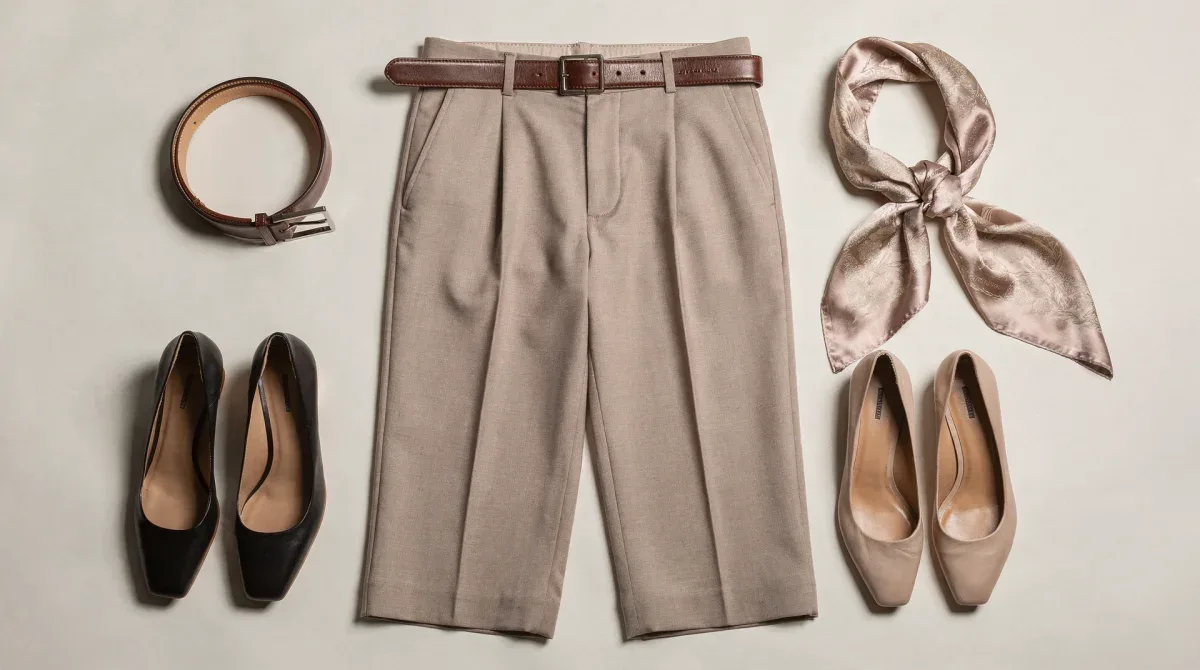
A well-designed pair of wide-leg trousers typically balances a fitted or structured waist with a relaxed silhouette that allows comfortable movement throughout daily activities.
Depending on fabric weight and construction, these trousers can complement office clothing, casual weekend outfits, evening ensembles, and other combinations suitable for different environments.
Tailored Wide-Leg Trousers offer opportunities to develop a consistent personal style without necessarily purchasing specialized clothing for every occasion or changing fashion trend.
Building a More Functional Wardrobe
A functional wardrobe contains garments that coordinate easily with existing clothing, accommodate everyday activities, and remain comfortable across different social or professional situations.
Neutral trousers in shades such as black, navy, charcoal, or beige can provide a dependable foundation for numerous combinations involving different tops and footwear.
Selecting garments according to actual lifestyle requirements can help consumers avoid unnecessary purchases and increase the frequency with which individual wardrobe pieces are worn.
Understanding Cost-Per-Wear Efficiency
Cost per wear, commonly abbreviated as CPW, measures a garment's purchase price relative to the number of occasions on which it is worn.
Consumers can calculate this figure by dividing the original purchase price by the total number of wears, creating a straightforward comparison between different clothing investments.
Applying this calculation to Tailored Wide-Leg Trousers encourages shoppers to consider practical usefulness rather than evaluating clothing purchases exclusively according to their initial prices.
How to Calculate Cost Per Wear
Consider a pair of trousers purchased for $120 and worn 60 times. Its basic cost per wear would amount to $2 per occasion.
If the same trousers are worn 100 times, the cost per wear decreases to $1.20, illustrating how extended use improves the garment's financial value.
Additional expenses, including alterations, professional cleaning, and repairs, can also be incorporated into a more comprehensive calculation of the garment's total ownership cost.
How a 40% Reduction in Cost Per Wear Is Possible
Using the previous example, increasing the number of wears from 60 to 100 reduces the effective cost from $2 to $1.20 per wear.
The difference represents a 40% reduction in cost per wear, achieved through more frequent use without changing the original $120 purchase price.
This illustrative calculation demonstrates the potential financial benefits of Tailored Wide-Leg Trousers, although it does not establish a verified industry-wide average or guaranteed saving.
Comparing Affordable and Premium Clothing Purchases
An inexpensive garment does not necessarily offer greater long-term value when its limited usefulness, poor fit, or construction quality discourages people from wearing it regularly.
For example, $50 trousers worn only 20 times cost $2.50 per wear, whereas $120 trousers worn 100 times cost $1.20 per wear.
These comparisons can support more thoughtful and sustainable fashion choices, provided consumers evaluate realistic usage patterns and remain within their personal clothing budgets.
The Impact of Quality and Durability
Garment durability influences cost-per-wear efficiency because clothing that remains comfortable and presentable over extended periods may offer more opportunities for repeated use.
Fabric quality, stitching, construction methods, laundering requirements, and individual usage patterns all contribute to the practical lifespan of trousers and other clothing items.
When selecting Tailored Wide-Leg Trousers, examining these characteristics can provide more reliable information about potential durability than relying exclusively on price or brand reputation.
Choosing Suitable and Durable Fabrics
Wool blends, structured cotton twill, linen blends, and selected synthetic fabrics offer different combinations of breathability, wrinkle resistance, drape, and everyday practicality.
Fabric selection should reflect local weather conditions, intended activities, personal comfort preferences, and the amount of maintenance required to keep garments presentable.
No individual fiber guarantees durability, making it important to evaluate fabric weight, weave, finishing quality, and the manufacturer's instructions for appropriate garment care.
Evaluating Stitching and Construction Quality
Examine seams, hems, waistbands, pockets, and closures before purchasing trousers, paying particular attention to areas that experience regular movement or repeated physical stress.
Consistent stitching, secure fastenings, and neatly finished internal seams may indicate thoughtful garment construction, although these details do not guarantee an unlimited lifespan.
Well-constructed Tailored Wide-Leg Trousers may require fewer premature repairs, helping consumers maintain their preferred appearance and increase the practical value of their investment.
Understanding the Importance of a Proper Fit
Properly fitted trousers are more likely to become regular wardrobe choices because comfort and ease of movement influence how frequently garments are selected.
The waistband should remain comfortable when sitting, while the leg length should accommodate preferred footwear without repeatedly dragging against the ground.
Professional alterations may improve fit and extend garment usefulness, although their additional cost should be included when calculating the overall financial value.
Versatility: The Core of Cost-Per-Wear Efficiency
Versatile clothing creates opportunities for repeated use by allowing individual garments to complement multiple outfits, occasions, and personal styling preferences throughout the year.
Tailored Wide-Leg Trousers can support different aesthetic approaches, ranging from structured professional ensembles to relaxed combinations designed for informal everyday activities.
Creating several outfits around one dependable garment can help consumers maximize its usefulness while reducing the perceived need to purchase additional clothing.
Styling for Professional Occasions
For professional environments, wide-leg trousers can be combined with a structured blazer, a button-down shirt, or a lightweight blouse to create a coordinated appearance.
Neutral colors, simple patterns, and appropriately selected shoes can support a polished outfit suitable for many workplaces, depending on individual dress code requirements.
Tailored Wide-Leg Trousers offer practical styling possibilities for professionals who appreciate comfortable clothing while maintaining an appearance appropriate to their working environments.
Creating Smart Casual Outfits
Smart casual styling can combine wide-leg trousers with fitted knitwear, lightweight cardigans, understated jewelry, and other garments that balance relaxed and structured proportions.
Changing selected accessories, such as belts, handbags, and jewelry, can refresh familiar combinations without requiring the purchase of an entirely new outfit.
This approach allows individual wardrobe pieces to remain relevant across social gatherings, informal meetings, restaurant visits, and other situations requiring adaptable attire.
Developing Comfortable Weekend Looks
Wide-leg trousers can also complement casual T-shirts, denim jackets, relaxed sweaters, and lightweight outerwear for comfortable weekend activities or informal daytime arrangements.
Footwear choices may include sneakers, loafers or elegant flats, depending on the garment's length, fabric characteristics, and the practical requirements of each activity.
Using Tailored Wide-Leg Trousers in informal settings can increase their overall wear frequency rather than reserving them exclusively for professional or formal occasions.
Adapting Trousers for Evening Occasions
A simple pair of well-fitted trousers can be adapted for evening events through complementary tops, refined footwear, distinctive accessories, and appropriately selected outerwear.
Dark-colored trousers may provide a flexible foundation for satin blouses, structured jackets, and understated combinations suitable for dinners or particular social gatherings.
These styling opportunities contribute to cost-per-wear efficiency by allowing existing garments to serve different purposes without requiring substantial additional wardrobe expenditure.
Styling Wide-Leg Trousers Across Different Seasons
Lightweight fabrics may be appropriate for warmer conditions, while heavier materials and carefully selected layers can improve comfort during cooler periods of the year.
Cardigans, coats, fitted sweaters, and appropriate footwear can extend the usefulness of selected trousers beyond the season in which they were originally purchased.
Tailored Wide-Leg Trousers can therefore become adaptable wardrobe components when their fabric composition and styling possibilities correspond with the wearer's local climate.
Consumer Behavior and Investment Pieces
Clothing purchases increasingly require consideration of affordability, individual preferences, garment usefulness, and the financial responsibilities that influence household spending decisions.
Investment pieces are garments selected for their anticipated long-term usefulness rather than exclusively for immediate appeal or participation in rapidly changing fashion trends.
Tailored Wide-Leg Trousers may fit this approach when their construction, versatility, and purchase price align with the consumer's actual lifestyle and wardrobe requirements.
Moving Beyond the Initial Purchase Price
Lower-priced clothing may appear financially attractive, but garments that require frequent replacement or remain unworn can provide less value than their purchase prices suggest.
Higher-priced clothing may offer worthwhile benefits when its construction, comfort, and practical usefulness support frequent wear over a sufficiently extended period.
Consumers should compare realistic ownership costs rather than assuming premium prices automatically indicate superior quality or greater cost-per-wear efficiency.
Making More Intentional Fashion Purchases
Before buying new clothing, consider whether the garment complements existing pieces, suits everyday activities, and addresses a genuine requirement within the current wardrobe.
Planning several possible outfits in advance can help identify whether a particular clothing purchase would offer meaningful flexibility or remain difficult to incorporate.
Evaluating Tailored Wide-Leg Trousers through these practical considerations may help consumers avoid unnecessary purchases while selecting garments that genuinely support their personal preferences.
The Sustainability Angle of Cost-Per-Wear Efficiency
Extending the useful life of clothing can support more responsible consumption, particularly when repeated use reduces the need to purchase unnecessary replacement garments.
However, the environmental impact of fashion also depends on material production, manufacturing processes, transportation, laundering, and the eventual disposal or reuse of clothing.
Tailored Wide-Leg Trousers may contribute to sustainable wardrobe practices when their durability and versatility encourage meaningful reductions in unnecessary consumption.
Reducing Clothing Waste Through Repeated Use
Keeping garments in active use for longer periods can delay their disposal and reduce the frequency with which consumers need to acquire replacements.
The United States Environmental Protection Agency encourages consumers to maintain and repair existing clothing as part of its guidance on environmentally responsible purchasing decisions.
Applying these principles to everyday fashion can help households make greater use of existing resources without assuming that every durable garment is automatically sustainable.
Supporting a More Circular Wardrobe
Circular wardrobe practices involve extending clothing usefulness through appropriate maintenance, alterations, repairs, resale, donation, and other opportunities for continued garment use.
Consumers can consider repairing damaged hems, replacing faulty fasteners, or adjusting waistbands before discarding trousers that otherwise remain suitable for everyday wear.
These practices may improve the financial and practical value of Tailored Wide-Leg Trousers while contributing to more thoughtful management of existing clothing resources.
Understanding Environmental Limitations
A garment's environmental performance cannot be determined solely by its silhouette, purchase price, marketing description, or the perceived quality of its construction.
Even frequently worn clothing requires resources for manufacturing and maintenance, while different materials present distinct environmental challenges throughout their respective production and disposal processes.
Consumers should therefore evaluate broader sustainability considerations rather than treating a lower cost per wear as direct proof of reduced environmental impact.
How to Maintain Tailored Wide-Leg Trousers
Proper garment maintenance helps preserve appearance, comfort, and functionality, potentially increasing the number of occasions on which trousers remain suitable for regular use.
Understanding the care requirements of different fabrics can also help prevent avoidable damage associated with unsuitable washing temperatures, drying methods, or cleaning products.
Maintaining Tailored Wide-Leg Trousers according to their specific care instructions is an important part of improving their long-term cost-per-wear efficiency.
Following Fabric Care Instructions
Always review the garment's care label before washing or drying, particularly when the trousers contain wool, delicate fibers, linings, or specialized fabric finishes.
Some garments may benefit from gentle washing methods, while others require professional cleaning or specific procedures designed to protect their shape and construction.
Appropriate cleaning practices can help reduce premature fabric deterioration, although their suitability depends on the manufacturer's instructions and the individual garment's material composition.
Preventing Wrinkles and Maintaining Shape
Suitable hangers and appropriate storage arrangements can help preserve trouser shape, reduce unnecessary creasing, and protect garments from prolonged compression within crowded wardrobes.
When ironing or steaming trousers, follow recommended temperature settings because excessive heat may damage particular fibers or alter the appearance of sensitive fabric finishes.
Consistent garment care can help Tailored Wide-Leg Trousers remain presentable across professional and casual occasions, encouraging continued use rather than premature replacement.
Managing Minor Repairs and Alterations
Loose buttons, damaged hems, and minor stitching problems should be addressed when possible before repeated use causes further deterioration or more extensive repair requirements.
Professional alterations may also improve garment fit when small adjustments can restore comfort and functionality without compromising the original construction or intended silhouette.
Repairing existing clothing can offer better practical value than replacement when the garment remains suitable and the repair costs are financially reasonable.
Future Outlook for Tailored Wide-Leg Trousers
Wide-leg tailoring continues to offer styling opportunities for consumers interested in combining relaxed silhouettes with structured garments and adaptable approaches to contemporary fashion.
Future design developments may include different waist constructions, alternative fabric blends, improved size availability, and styling variations addressing diverse consumer preferences.
The continued relevance of Tailored Wide-Leg Trousers will depend on individual fashion choices, garment functionality, affordability, and the evolving priorities of clothing consumers.
Fabric Innovation and Practical Design
Developments in textile manufacturing may provide opportunities to improve garment comfort, wrinkle resistance, breathability, and material performance across different types of tailored clothing.
Designers may also explore alternative construction methods that balance structural definition with flexibility, creating trousers suitable for varied lifestyles and styling preferences.
Consumers should assess these developments according to demonstrable garment characteristics rather than relying exclusively on promotional claims about durability, innovation, or environmental performance.
The Role of Timeless Styling
Garments with adaptable silhouettes and complementary color palettes may remain useful beyond individual fashion seasons when they continue matching the wearer's preferences.
Classic styling can help consumers maintain consistent wardrobe combinations without feeling obligated to respond immediately to every changing trend within the fashion industry.
Tailored Wide-Leg Trousers may provide long-term styling opportunities when selected according to personal comfort, practical requirements, and compatibility with existing clothing collections.
Comparative Analysis: Wide-Leg vs. Other Trouser Styles
Different trouser silhouettes offer distinctive combinations of movement, comfort, appearance, and styling possibilities, making their practical value dependent on individual consumer requirements.
Wide-leg designs provide relaxed proportions, while straight-leg, slim-fit, and tapered trousers may better complement particular wardrobes, professional environments, or personal preferences.
Comparing Tailored Wide-Leg Trousers with alternative styles requires evaluating actual wear frequency rather than assuming one silhouette universally delivers greater cost-per-wear efficiency.
Wide-Leg Trousers vs. Slim-Fit Trousers
Wide-leg trousers typically provide additional room through the legs, while slim-fit designs create a narrower silhouette that may suit different styling requirements.
Both styles can contribute to a wardrobe characterized by classic elegance, particularly when selected for suitable construction, fabric quality, and compatibility with existing clothing.
The more financially efficient option is generally the garment that receives sufficient use while meeting the wearer's actual requirements for comfort and appearance.
Wide-Leg Trousers vs. Straight-Leg Trousers
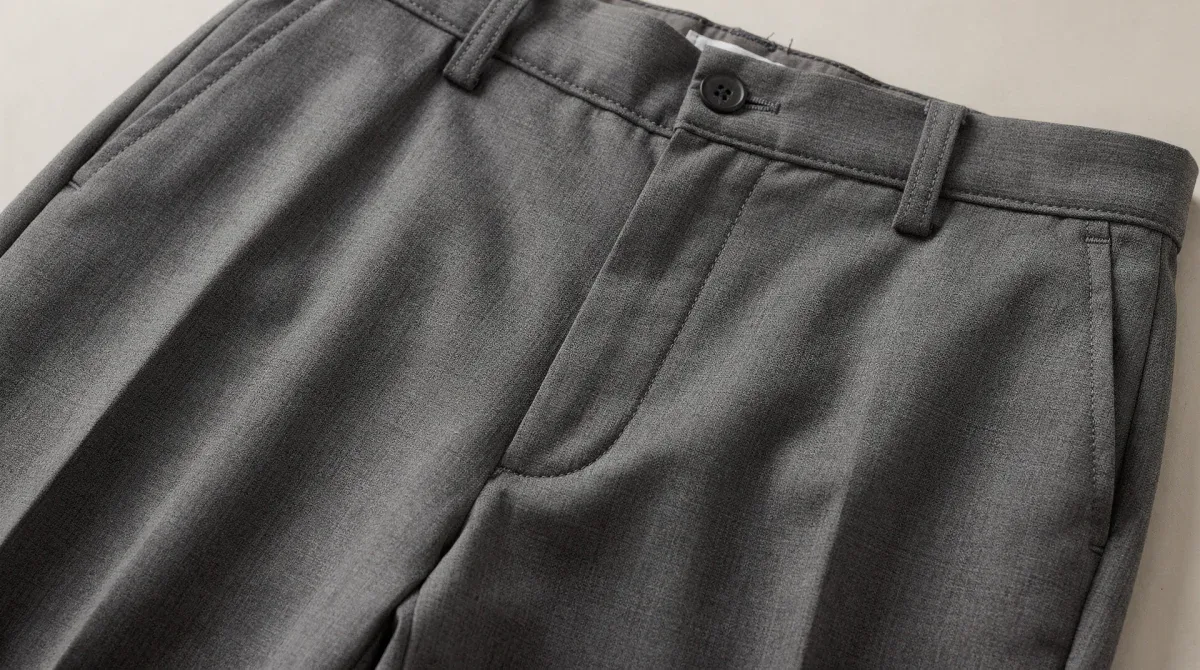
Straight-leg trousers generally maintain more consistent proportions throughout the leg, while wide-leg designs create a more generous silhouette through selected areas of the garment.
Both options can accommodate professional, casual, and refined outfits, although their styling characteristics may influence the most suitable footwear and complementary clothing combinations.
Consumers should evaluate which style integrates more naturally into their existing wardrobe rather than selecting trousers solely because of perceived popularity or versatility.
Choosing the Best Silhouette for Your Lifestyle
Personal comfort, workplace requirements, preferred footwear, climate, and everyday activities should inform decisions about which trouser styles are likely to receive frequent use.
Trying different waistlines, fabric weights, leg proportions, and lengths may help identify garments that accommodate individual preferences without requiring unnecessary styling adjustments.
Tailored Wide-Leg Trousers represent one practical option, but their ultimate cost-per-wear efficiency depends on how successfully they complement the owner's everyday lifestyle.
Key Point | Brief Description |
|---|---|
Increased Versatility | Tailored wide-leg trousers adapt to various occasions and styles, maximizing wear frequency. |
Enhanced Durability | High-quality materials and construction ensure a longer lifespan, reducing replacement needs. |
Sustainable Choice | Fewer purchases and extended use contribute to reduced fashion waste and environmental impact. |
Smart Investment | Higher initial cost is offset by frequent wears, leading to lower cost per wear over time. |
Frequently Asked Questions About Tailored Wide-Leg Trousers
What makes tailored wide-leg trousers so efficient?
Their potential efficiency comes from adaptable styling, comfortable proportions, and opportunities for repeated use. Actual financial benefits depend on purchase price, garment quality, and individual wear frequency.
How do they contribute to sustainable fashion?
When frequently worn instead of purchasing unnecessary additional clothing, wide-leg trousers may help reduce replacement needs and textile waste. Their overall environmental impact also depends on manufacturing, materials, maintenance, and disposal.
Is the 40% reduction in cost per wear scientifically proven?
No verified industry-wide study establishing this percentage was identified for this article. The 40% figure represents an illustrative calculation comparing a $2 cost per wear with a reduced cost of $1.20.
Are tailored wide-leg trousers suitable for all body types?
They can suit many different body types, but individual comfort and styling preferences vary. Choosing an appropriate rise, waistband, fabric drape, and leg length can help achieve a preferred fit.
What fabrics are best for maximizing durability?
Wool blends, structured cotton twill, linen blends, and selected synthetic materials can offer useful performance characteristics. Actual durability depends on fabric construction, finishing, garment quality, and maintenance practices.
How do you calculate cost per wear?
Divide the purchase price by the number of times the garment has been worn. For a more comprehensive calculation, include additional expenses such as alterations, cleaning, and repairs.
Are expensive trousers always a better investment?
No. Higher-priced garments only provide better cost-per-wear value when their usefulness, durability, and frequency of use justify the additional expense.
Can Tailored Wide-Leg Trousers be worn to work?
Yes, depending on the workplace dress code. Structured fabrics, neutral colors, tailored blazers, and suitable footwear can help create polished professional combinations.
Can wide-leg trousers be worn with sneakers?
Yes. Sneakers can complement wide-leg trousers in casual outfits. Choosing an appropriate trouser length helps prevent excessive fabric from dragging against the ground.
What colors offer the greatest styling versatility?
Black, navy, charcoal, beige, and other neutral shades often coordinate easily with existing clothing. However, the best choice depends on the colors already present in the individual's wardrobe.
How often should wide-leg trousers be washed?
Washing frequency depends on fabric composition, garment care instructions, visible dirt, odors, and individual usage conditions. Always follow the manufacturer's recommended cleaning procedures.
Do professional alterations improve cost-per-wear efficiency?
Potentially. Alterations that improve comfort and fit may encourage more frequent use. However, alteration expenses should be included when calculating the garment's total ownership cost.
Are wide-leg trousers more versatile than straight-leg trousers?
Not necessarily. Both silhouettes can support multiple styling approaches. Their versatility depends on individual preferences, garment characteristics, existing wardrobe pieces, and lifestyle requirements.
Should I replace my existing trousers with wide-leg styles?
Not if your existing trousers remain comfortable, functional, and suitable for regular use. Making greater use of clothing you already own may offer better financial and environmental value than unnecessary replacement.
Conclusion: What This Means for Smarter Fashion Investments
Tailored Wide-Leg Trousers offer opportunities to build adaptable wardrobes through thoughtful garment selection, versatile styling, appropriate maintenance, and more intentional clothing purchases.
Although a 40% reduction in cost per wear is mathematically achievable through increased usage, actual savings depend on individual circumstances rather than guaranteed industry results.
By prioritizing fit, practical usefulness, responsible consumption, and realistic clothing budgets, consumers can develop wardrobes that deliver enduring style and meaningful long-term financial value.