How to Style a Double-Breasted Camel Coat 5 Ways for Everyday Elegance
Advertisements
Learning how to style a double-breasted camel coat can make everyday dressing more versatile. From tailored office outfits and relaxed denim combinations to tonal layering, modern contrasts, and elegant evening looks, one well-fitting coat can complement a wide variety of personal styles.
Knowing how to style a double-breasted camel coat can help you create polished outfits for work, weekends, and special occasions without constantly changing your wardrobe.
Its warm neutral color and structured silhouette make it easy to combine with denim, tailored trousers, knitwear, dresses, and different types of footwear.
This guide explores five practical styling approaches, along with advice on choosing colors, balancing proportions, selecting accessories, and maintaining your coat.
Why the Double-Breasted Camel Coat Remains a Wardrobe Classic
The double-breasted camel coat is recognized for its overlapping front panels, two rows of buttons, and structured appearance that works with various clothing styles.
Although coat designs change across seasons, this combination of neutral color and traditional tailoring remains useful in both casual and formal wardrobes.
Understanding its construction and versatility makes it easier to create outfits that reflect your preferences rather than relying entirely on changing trends.
What Makes a Coat Double-Breasted?
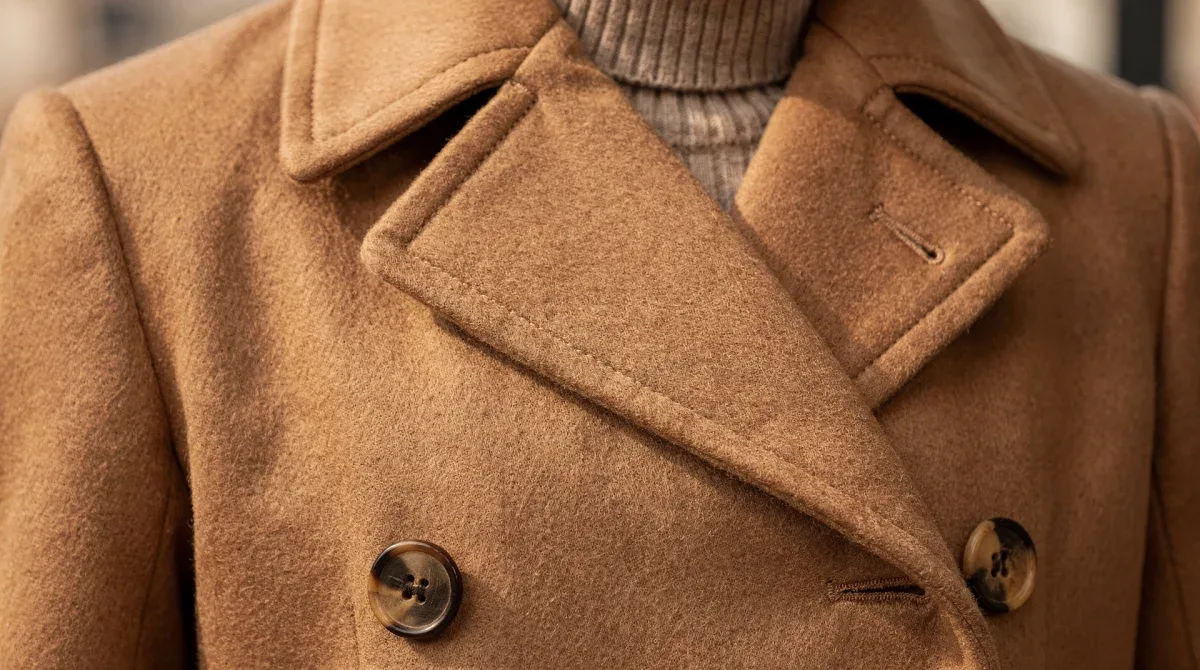
A double-breasted coat features overlapping front panels with two vertical rows of buttons, although the exact fastening arrangement depends on the design.
This construction typically creates a structured front and can provide additional coverage compared with some single-breasted styles.
Different lapels, lengths, shoulder shapes, and fabric weights allow the silhouette to suit a wide range of personal styles.
Why Camel Is Such a Versatile Color
Camel is a warm neutral shade that can complement black, cream, navy, gray, denim blue, chocolate brown, and several muted accent colors.
Its softer contrast with darker garments can create a different visual effect from traditional black or charcoal outerwear.
For more ideas on choosing enduring garments, explore this guide to classic fashion and long-term wardrobe value.
Choosing the Right Coat Length
Shorter coats may be practical for everyday movement, while knee-length and longer designs provide more coverage during cooler weather.
The best length depends on comfort, preferred proportions, climate, and how the coat fits over your usual clothing.
Try different styles with both casual and tailored outfits before deciding which design best complements your wardrobe.
Look 1: Classic Professionalism for Office-Ready Outfits
A double-breasted camel coat can complement professional clothing by adding a structured outer layer to an otherwise simple arrangement.
Tailored trousers, button-down shirts, fine-knit sweaters, and polished footwear provide a foundation that works with its classic shape.
This is one of the most practical approaches to how to style a double-breasted camel coat when dressing for offices with business or smart-casual expectations.
Pair the Coat With Tailored Trousers
Black, charcoal, and navy trousers create a clear contrast with the coat's warmer tone, producing a balanced professional outfit.
Straight-leg and wide-leg silhouettes can both work, provided the trousers have a comfortable fit and appropriate length.
For additional inspiration, explore different ways to wear tailored wide-leg trousers in everyday outfits.
Choose a Simple Shirt or Blouse
A white button-down shirt, cream blouse, or fine-gauge knit can provide a clean foundation underneath the coat.
Subtle stripes and small patterns may also work, particularly when the remaining garments use solid neutral colors.
Choose fabrics that remain comfortable under the coat without creating excessive bulk around the shoulders and sleeves.
Finish With Professional Accessories
A structured tote, compact shoulder bag, or simple leather handbag can complement the coat without competing with its design.
Loafers, ankle boots, and appropriate dress shoes offer different levels of formality depending on the workplace.
Minimal jewelry and a coordinated belt can complete the arrangement while keeping the overall appearance understated.
Look 2: Effortless Casual Style With Denim and Sneakers
The contrast between structured outerwear and casual clothing makes the camel coat useful for relaxed everyday outfits.
Jeans, comfortable tops, and sneakers create a practical combination for weekend activities, casual meetings, and everyday errands.
Rather than treating the coat as exclusively formal, this approach uses its tailoring to introduce visual structure to simpler garments.
Find the Right Denim Combination
Straight-leg jeans provide a classic foundation, while relaxed and wide-leg styles can create a more contemporary silhouette.
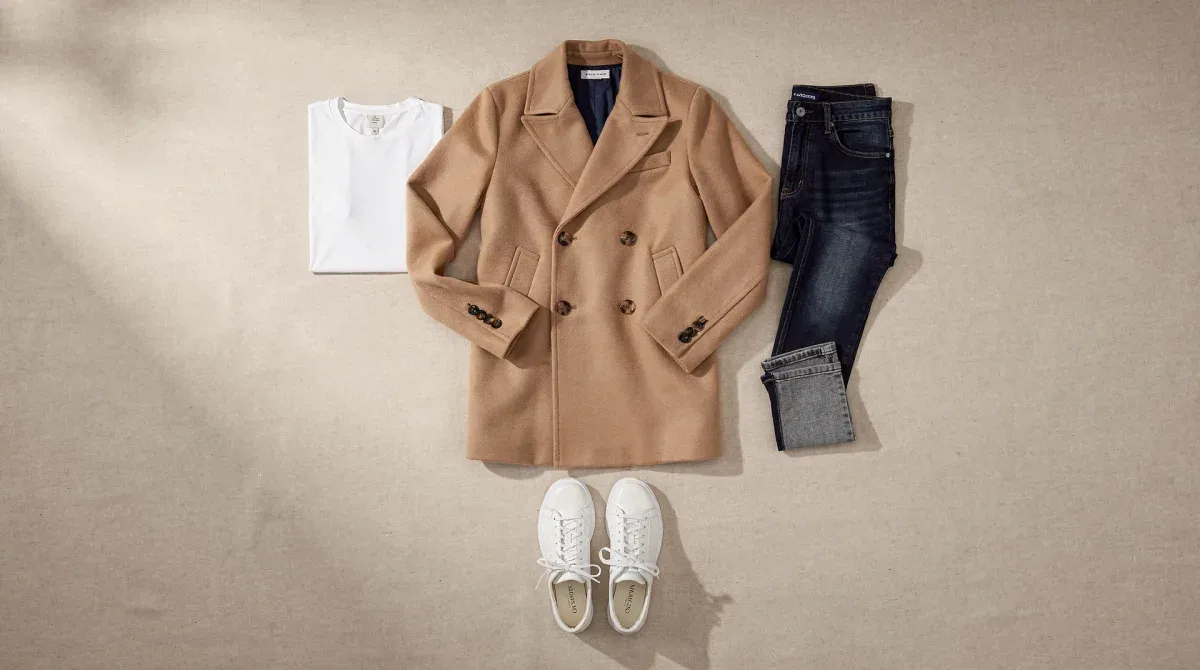
Medium-blue and dark-wash denim are convenient options because they contrast with camel without requiring complicated color coordination.
Choose jeans that feel comfortable with the coat's length and leave enough room for movement throughout the day.
Layer With a T-Shirt or Sweater
A white T-shirt, striped shirt, or simple knit sweater can work underneath the coat, depending on the temperature.
For colder conditions, a lightweight wool or cashmere sweater can provide warmth without requiring multiple heavy layers.
Readers comparing knitwear options can explore this guide to building a wardrobe with cashmere pieces.
Choose Sneakers or Loafers
White sneakers create a relaxed contrast against the coat's tailored structure and can work with several denim washes.
Leather loafers offer another option for occasions when you want casual comfort with a slightly more polished appearance.
For further footwear ideas, explore this comparison of loafers and ballet flats.
Complete the Weekend Outfit
A crossbody bag or compact tote keeps everyday essentials accessible without adding unnecessary complexity to the outfit.
A knitted scarf can provide additional warmth, while sunglasses may complement the look during outdoor activities.
Keeping accessories simple allows the combination of camel outerwear and denim to remain the central feature.
Look 3: Monochromatic Sophistication With Tonal Layering
Tonal dressing combines related shades to create a coordinated outfit without relying on sharp color contrasts.
A camel coat can be layered over cream, beige, tan, and brown garments to produce a warm, understated palette.
This approach emphasizes differences in fabric texture, garment length, and silhouette rather than introducing numerous unrelated colors.
Build an Outfit Around Camel and Cream
Start with a cream sweater or blouse and add tailored trousers in beige, light brown, or a slightly deeper camel shade.
The coat then becomes part of a coordinated palette instead of standing apart from the remaining garments.
Readers interested in this method can explore the principles of monochromatic dressing.
Mix Different Fabric Textures
Combining smooth cotton, structured wool, soft knitwear, and leather accessories can make a neutral outfit more visually interesting.
For example, a ribbed cream sweater with tailored brown trousers introduces texture while maintaining a limited color palette.
Select fabrics according to weather conditions and personal comfort rather than prioritizing appearance over practical use.
Use Different Shades of Brown
Chocolate brown boots, a tan handbag, or a darker leather belt can add depth to an outfit built around camel and beige.
The shades do not need to match exactly, but they should create a combination that feels intentional to the wearer.
Experimenting with warm and cool undertones can help identify which brown accessories work best with the specific shade of your coat.
Keep the Silhouette Balanced
A longer coat over straight-leg trousers creates a different proportion from an oversized coat paired with wide-leg pants.
Neither arrangement is inherently better, and the result depends on garment construction and personal styling preferences.
Try the coat buttoned and open to compare how each option changes the shape of the complete outfit.
Look 4: Modern Contrast With Leather and Graphic Pieces
A double-breasted camel coat can also complement clothing associated with a more contemporary or urban aesthetic.
Leather textures, graphic shirts, dark denim, and substantial footwear provide contrast against its traditional silhouette.
This styling approach works particularly well for individuals who enjoy combining structured outerwear with expressive casual pieces.
Try Black Leather Trousers
Black leather trousers or a leather-look skirt can create a strong visual contrast with the warm camel color.
A simple black sweater or white shirt underneath the coat allows the difference between the fabrics to remain noticeable.
Choose comfortable materials and a silhouette appropriate for the activity rather than selecting a garment solely for its appearance.
Introduce a Graphic T-Shirt
A graphic T-shirt can make a structured coat feel less formal, especially when paired with jeans or darker casual trousers.
Choose a design that reflects your interests while keeping other accessories relatively simple if the graphic is visually prominent.
The coat can remain open to display the shirt, or it can be fastened when a more structured appearance is preferred.
Choose Boots or Chunky Loafers
Black ankle boots and substantial loafers can reinforce a contemporary outfit without introducing another dominant color.
Combat-inspired footwear may also work, although its suitability depends on comfort, weather, and the desired appearance.
Balancing heavier shoes with the coat's proportions can help the complete outfit feel visually coordinated.
Add One Statement Accessory
A distinctive handbag, scarf, or piece of jewelry may provide additional personality without requiring multiple competing details.
Black and camel already create a noticeable contrast, so a strong accessory can become the finishing element.
Use decorative pieces selectively when the outfit contains several textures or graphic elements.
Look 5: Sophisticated Evening Outfits With Dresses and Skirts
A camel coat can provide an elegant outer layer for dinners, celebrations, theater visits, and other occasions requiring more formal clothing.
Dresses, midi skirts, and tailored separates offer different ways to combine evening garments with its structured silhouette.
Comfort and temperature remain important, particularly when the coat will be worn over delicate fabrics or layered outfits.
Wear It Over a Black Midi Dress
A black midi dress paired with a camel coat creates a strong neutral contrast suitable for many evening occasions.
Elegant flats, ankle boots, or heels can complete the look depending on your preferences and the setting.
Choose a coat length that works comfortably with the dress rather than assuming both hems must follow a specific proportion.
Try a Silk or Satin-Inspired Outfit
A silk blouse, satin skirt, or slip-style dress can contrast with the heavier texture of a wool coat.
This combination introduces visual variety while keeping the color palette relatively restrained.
Consider an additional comfortable layer when wearing lightweight fabrics in colder weather.
Accessorize With Jewelry and a Small Bag
A compact evening bag and understated jewelry can complement the coat without making the arrangement feel overly elaborate.
Gold-toned accessories can harmonize with camel's warmth, while silver and other finishes may create a contrasting effect.
For more ideas, explore this guide to gold jewelry staples for classic outfits.
How to Choose Colors That Complement a Camel Coat
A camel coat offers considerable styling flexibility because it can function as a neutral foundation for several color families.
Some combinations create a soft, continuous appearance, while others rely on contrast to emphasize the coat's shape.
Understanding these relationships makes it easier to adapt the five outfit ideas to clothing you already own.
Black, White, and Cream
Black provides strong contrast with camel, making it suitable for tailored trousers, dresses, boots, and everyday accessories.
White and cream produce lighter combinations that can feel softer, particularly when paired with beige or brown garments.
These neutral shades are useful starting points because they appear frequently in many casual and professional wardrobes.
Navy Blue and Denim
Navy trousers and dark denim create contrast with camel while offering an alternative to an entirely black outfit.
Lighter blue denim works especially well for relaxed combinations involving simple T-shirts and sneakers.
The exact shade can be adjusted according to the formality of the occasion and the other garments being worn.
Burgundy, Olive, and Forest Green
Burgundy, olive, and deep green can introduce color while remaining compatible with a warm neutral coat.
These shades may appear in sweaters, scarves, handbags, or dresses without dominating the complete outfit.
Try one accent at a time when you want to maintain a relatively simple color arrangement.
Chocolate Brown and Earth Tones
Chocolate brown and muted earth tones create a warmer palette that works with the natural character of camel outerwear.
A dark brown bag, boots, or belt can provide enough contrast to distinguish individual elements within the outfit.
Combining different shades allows for variety without requiring every accessory to match precisely.
Accessorizing Your Double-Breasted Camel Coat
Accessories can change how a camel coat feels within an outfit, making the same garment suitable for different settings.
Scarves, belts, bags, footwear, and jewelry each contribute to the overall appearance through color, texture, and proportion.
Choosing a few practical accessories can make styling easier without creating an unnecessarily large collection.
Scarves for Warmth and Texture
Knitted scarves can provide additional insulation, while lightweight silk scarves may serve primarily as decorative accessories.
Neutral shades complement the camel coat, although brighter colors and prints can provide a distinctive accent.
For inspiration, explore these silk scarf styling ideas.
Belts and Waist Definition
Some double-breasted coats include a belt, while others rely entirely on their buttoned construction for shape.
When compatible with the coat's design, an external belt can create a more defined waist or introduce another texture.
Avoid fastening belts too tightly, particularly when the coat contains structured panels or delicate finishing details.
Handbags for Different Occasions
Structured totes can complement professional outfits, while crossbody bags offer convenience for everyday activities.
Smaller bags may be appropriate for evening occasions when only a few personal items are needed.
Black, brown, burgundy, and cream provide versatile options, although the best choice depends on the remaining outfit.
How to Choose the Right Fit and Fabric
A well-fitting coat should accommodate the clothing worn underneath while allowing comfortable movement through the shoulders and arms.
Fabric weight, lining, and construction affect how the garment feels in different temperatures and situations.
Before buying, evaluate the coat with outfits similar to those you expect to wear most frequently.
Check the Shoulder and Sleeve Fit
The shoulder construction should support comfortable movement without excessive pulling when the coat is buttoned.
Sleeves should provide adequate coverage while allowing the underlying clothing to sit naturally.
Trying the coat over a sweater can help reveal whether the available room is suitable for colder weather.
Compare Wool and Wool-Blend Coats
Many camel-colored coats are made with wool, wool blends, or other textiles designed to provide warmth and structure.
The fiber composition alone does not determine quality, since fabric weight, construction, lining, and finishing also influence performance.
For related information, explore this guide to classic fabrics and wardrobe longevity.
Understand Fabric Weight and Climate
Heavier coats may be useful in colder conditions, while lighter designs can offer greater flexibility during transitional seasons.
Temperature, wind, precipitation, and personal comfort influence how suitable a particular coat will feel outdoors.
Choose materials and insulation according to expected use instead of assuming every camel coat provides the same level of warmth.
How to Care for a Double-Breasted Camel Coat
Proper care can help preserve a coat's shape, surface appearance, and useful life, especially when it contains wool or other delicate fibers.
Cleaning and storage requirements vary by fabric and construction, making the manufacturer's instructions particularly important.
Establishing a simple maintenance routine can reduce unnecessary washing and help keep the garment ready for regular use.
Follow the Garment Care Label
Some wool coats are labeled dry-clean only, while others may allow different cleaning methods depending on their materials and construction.
Do not assume every camel coat requires identical treatment or that a particular cleaning method is safe for all wool blends.
Woolmark's official wool care guide explains the importance of following garment-specific care instructions.
Brush and Air the Coat When Appropriate
A soft garment brush may help remove loose surface dust from suitable woven wool fabrics between professional cleanings.
Allow the coat to air according to the fabric's care requirements, avoiding unnecessary exposure to harsh heat or strong direct sunlight.
Address stains according to the care instructions rather than experimenting with aggressive household cleaning products.
Store the Coat Correctly
Use a suitable shaped hanger to help preserve the shoulders and avoid compressing the garment in an overcrowded closet.
Before longer storage periods, ensure the coat is clean and dry, following any additional instructions related to its fiber composition.
Appropriate storage can help reduce creasing and unnecessary wear while keeping the coat ready for future seasons.
Common Mistakes When Styling Camel Coats
Although camel outerwear works with many clothing combinations, certain styling choices can make an outfit less practical or comfortable.
Common challenges involve incorrect sizing, excessive layering, unsuitable footwear, and purchasing pieces that do not work with an existing wardrobe.
Recognizing these issues helps make the five styling approaches easier to adapt to daily life.
Wearing Too Many Bulky Layers
Several heavy garments underneath a structured coat may restrict movement or create uncomfortable pressure around the shoulders.
For colder days, consider appropriately warm base layers and knitwear that fit comfortably under the outerwear.
The ideal arrangement balances insulation with ease of movement rather than simply adding more garments.
Ignoring the Coat's Proportions
A long oversized coat may create a different appearance from a shorter fitted model when worn with the same trousers.
Experiment with open and buttoned styling to determine which arrangement feels comfortable and visually appealing.
There is no universal rule requiring a particular coat length for a specific body type.
Buying Accessories Without Considering Versatility
Purchasing multiple matching accessories is not necessary to make a camel coat work across different occasions.
Existing black, brown, cream, and neutral items may already provide enough options for several complete outfits.
Review your wardrobe before shopping and prioritize pieces that serve more than one practical purpose.
Making the Most of a Camel Coat Across Your Wardrobe
A single coat can support several outfit combinations when paired with garments suited to different settings and weather conditions.
The five approaches described here provide starting points that can be adjusted through fabric, footwear, accessories, and personal preferences.
The original table below summarizes four of the styling methods, while evening dressing provides a fifth option for more formal occasions.
Key Styling Method | Brief Description |
|---|---|
Professional Polish | Pair with tailored trousers and a blouse for office sophistication. |
Casual Chic | Combine with jeans and sneakers for an elevated weekend look. |
Monochromatic Layers | Dress in tonal shades of camel and beige for streamlined elegance. |
Edgy Contrast | Mix with leather and graphic elements for a modern, bold statement. |
Frequently Asked Questions About Camel Coat Styling
How can I style a double-breasted camel coat?
Pair it with tailored office clothing, casual denim, coordinated neutral layers, modern leather-inspired pieces, or dresses for evening occasions.
What makes a double-breasted camel coat versatile?
Its structured shape and warm neutral color allow it to complement different fabrics, silhouettes, and dress codes.
Can I wear a camel coat with jeans?
Yes. Straight-leg, wide-leg, and other denim styles can work with camel outerwear depending on the desired appearance.
Do white sneakers work with camel coats?
Yes. White sneakers provide a relaxed contrast to the coat's structured design and are suitable for many casual outfits.
What colors complement a camel coat?
Black, cream, white, navy, charcoal, chocolate brown, olive, and burgundy are among the colors that can coordinate well with camel.
Can I wear black and camel together?
Yes. Black trousers, dresses, boots, and bags create strong contrast with the warmer camel shade.
How do I create a monochromatic camel outfit?
Combine related shades such as camel, beige, cream, and brown, using differences in fabric and silhouette for visual interest.
Can a camel coat be worn to the office?
Yes. It can complement trousers, blouses, shirts, sweaters, and professional footwear where the workplace dress code permits.
Is a double-breasted camel coat appropriate for evening wear?
It can work over midi dresses, skirts, or tailored separates, depending on the formality of the event.
Can I wear a camel coat with leather trousers?
Yes. Leather or leather-look trousers can provide a contemporary contrast against the coat's classic tailoring.
Which shoes work best with camel coats?
Sneakers, loafers, ankle boots, knee-high boots, and dress shoes can all work, depending on comfort and occasion.
Can I wear a camel coat during spring?
Lighter-weight styles may be suitable for cooler spring days, depending on local weather conditions and personal comfort.
How should a double-breasted coat fit?
It should allow comfortable shoulder and arm movement, close appropriately, and accommodate the layers you intend to wear.
Do all camel coats need dry cleaning?
No. Cleaning requirements depend on the fabric and construction, so always follow the garment's care label.
Is a camel coat a worthwhile wardrobe purchase?
It can be useful when its fit, fabric, climate suitability, and styling possibilities match your needs and the clothing you already own.
Conclusion
Learning how to style a double-breasted camel coat provides five practical approaches for adapting one classic garment to work, weekends, tonal outfits, modern looks, and evening occasions.
By experimenting with color, proportion, fabric texture, and suitable accessories, you can create different combinations while keeping personal comfort and style at the center.
Choosing a coat that fits well, works with your existing wardrobe, and receives appropriate care can help make it a useful part of everyday dressing for many seasons.